Social media is becoming cybercriminals’ most powerful attack vector
Cybercriminals are exploiting trusted brands online, while AI makes impersonation faster and harder to detect.
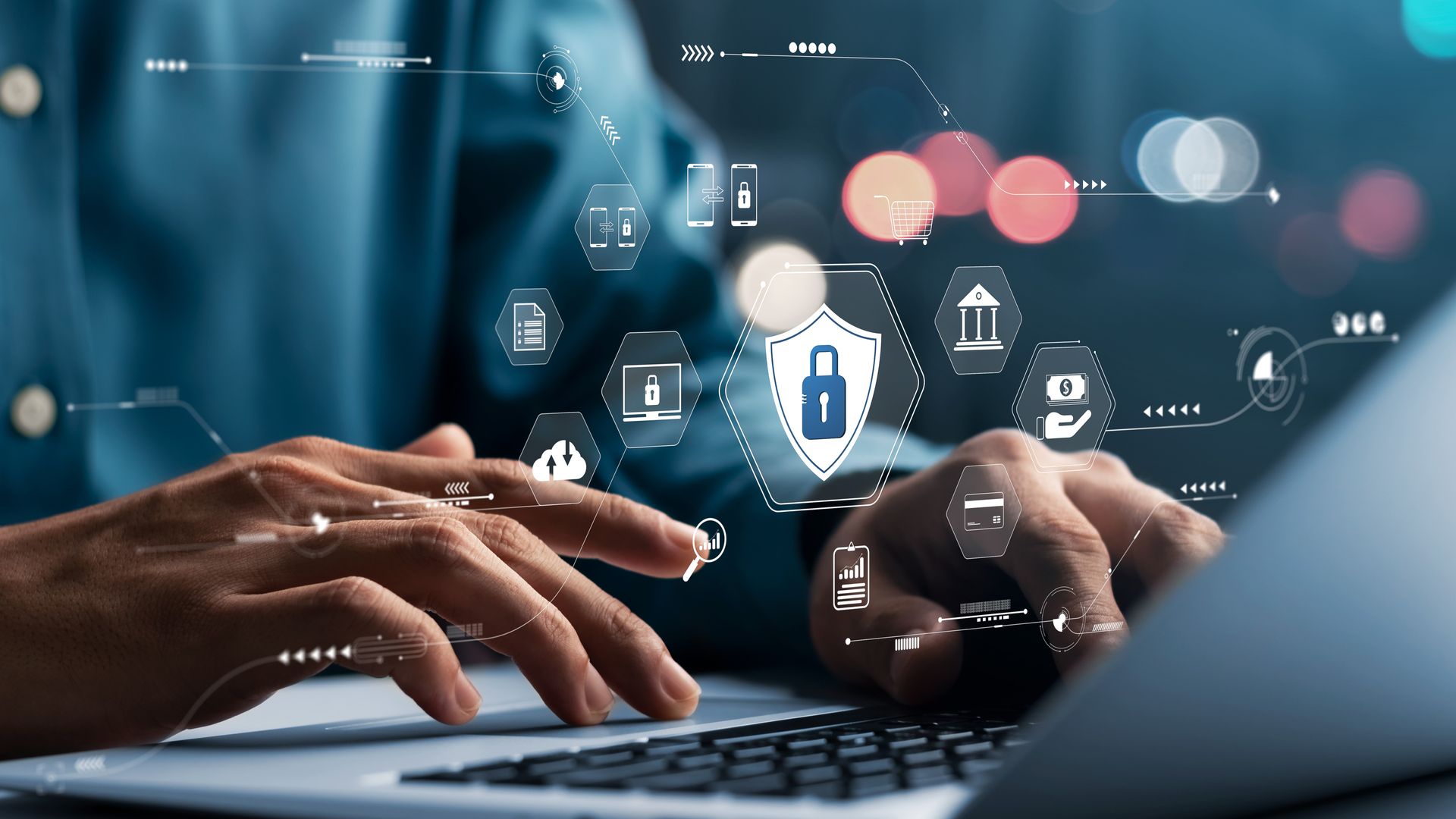
Social media has transformed the way businesses interact with customers, promote their brands, and establish trust. However, as companies increasingly rely on these platforms, they have also become more appealing targets for cybercriminals. Recent research indicates that social media impersonation and defamation have risen to the top of the cybersecurity threat list, surpassing previous concerns. This shift highlights the growing significance of social media in cyber attacks.
Cybercriminals are exploiting the trust associated with social media platforms and legitimate brands. They are using fake profiles, fraudulent customer service accounts, and deepfakes to gain access to systems, compromise information, and spread false information. These tactics are becoming more prevalent and serve as entry points for phishing, fraud, counterfeit sales, and other forms of brand abuse.
Furthermore, social media abuse can lead to reputation damage and customer distrust, even without direct financial harm. Impersonation or fake accounts can spread false or defamatory claims about a company or its employees, eroding trust and confidence in the brand. Organizations must now treat social media abuse, domain impersonation, and identity-based fraud as part of the broader cybersecurity landscape.
Artificial intelligence is accelerating the impersonation process, enabling criminals to generate convincing messages, imagery, and even deepfakes. This makes it increasingly difficult to identify fraudulent activity based on appearance alone. As a result, businesses need a more connected approach to protect their trust. This requires collaboration between various teams, including cybersecurity, people protection, and customer protection.
By coordinating efforts and implementing continuous monitoring across social media, domains, websites, and other digital assets, organizations can better identify and respond to impersonation, brand abuse, and related threats.
Written by urgent.news from TechRadar's reporting — not their text. Machine-written — may contain errors; check the original before relying on it.