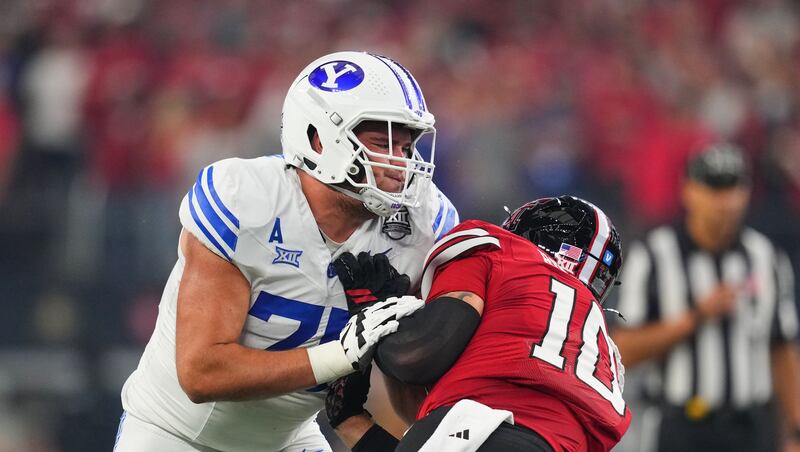
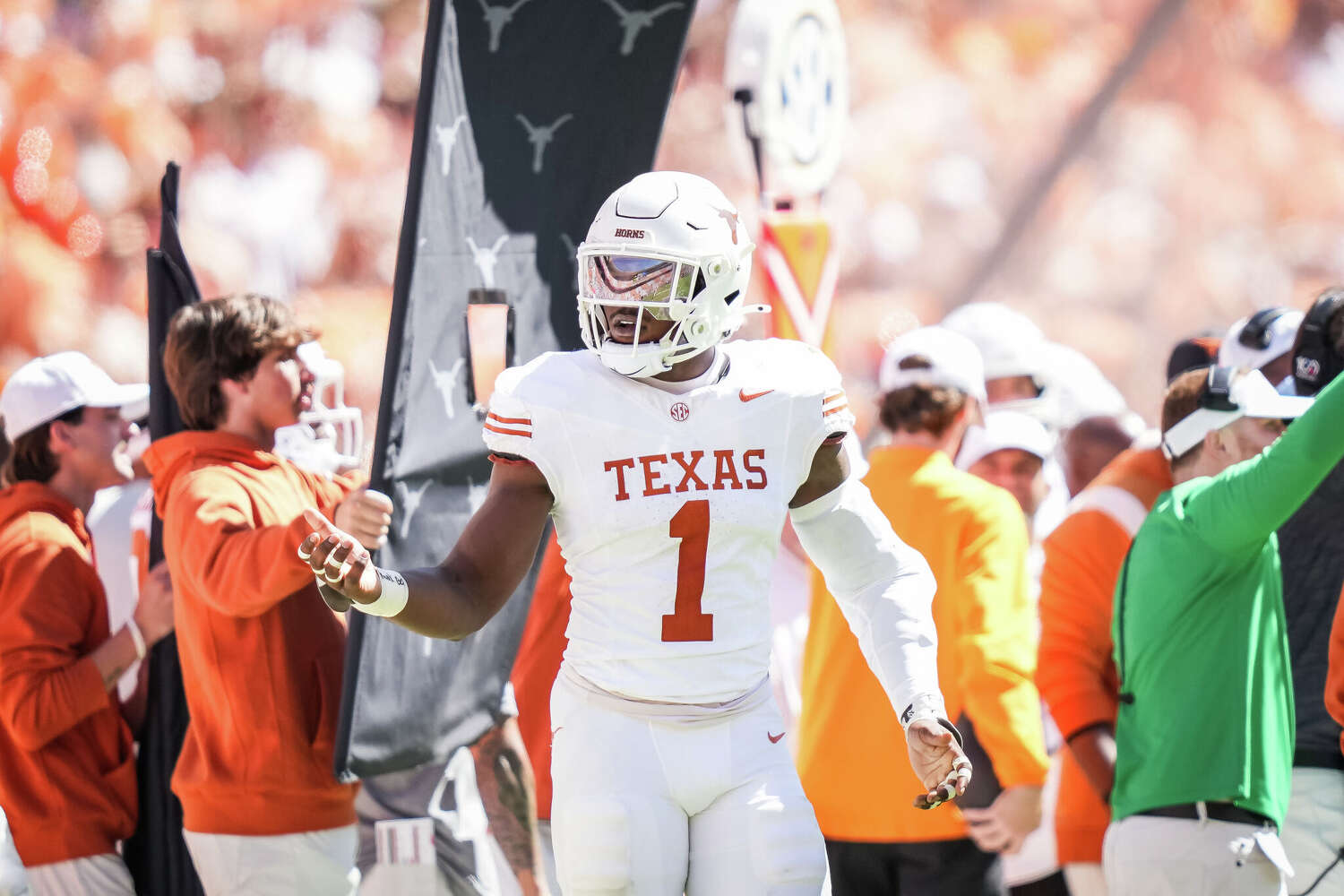
Should you still trust the Bears' Colston Loveland in fantasy football?
It's worth staying patient with Colston Loveland in fantasy football even after the Bears TE's slow start.
As the 2026 NFL season commenced, Chicago Bears and fantasy football enthusiasts anticipated much from rookie tight end Colston Loveland. After a breakout rookie year, fantasy managers anticipated him to be an immediate TE1 for their fantasy teams as the Bears continued to rely on him throughout the offense. However, this expectation has not been met thus far.
With his Monday night game against the Philadelphia Eagles looming, Loveland has been a complete non-factor, with only three fantasy points in two games. While it is understandable that fantasy managers should have some concerns, it is crucial to consider the context of these performances.
During Week 1, the Bears' offense scored an impressive 59 points against the Carolina Panthers. Loveland's lack of contributions can be attributed to the relatively weak opposition. In Week 2, adverse weather conditions coupled with the Minnesota Vikings' aggressive defense and an injury to QB Caleb Williams made it difficult for any pass target to be viable.
Justin Jefferson, the top receiver in the NFL, had only three receptions for 55 yards in that game, but was otherwise unimpressive. The Bears have been content utilizing Loveland as a superior run-blocker in their potent running game, which does not directly impact fantasy football standings.
Looking ahead, Loveland is expected to be a TE1 in fantasy football, especially with backup QBs using him as a safety valve as they try to maintain a consistent rhythm. While Williams' return would undoubtedly make Loveland a more significant fantasy consideration, the consensus is that his fantasy value will rise as the Bears continue to implement their offense. Fantasy managers should hold onto their faith in Loveland, as their patience is expected to be rewarded soon.
Written by urgent.news from Yahoo Sports's reporting — not their text. Machine-written — may contain errors; check the original before relying on it.