Scientists at IAV, Keralam develop dengue early warning system to forecast trends
The aim is to help public health managers plan resource allocation and preventive measures proactively, rather than responding only after outbreaks occur
Scientists at Kerala's Institute of Advanced Virology (IAV) are creating a dengue early warning system by merging epidemiological and weather data into a machine-learning platform. The goal is to enable public health managers to allocate resources and implement preventive measures ahead of time, rather than reacting after outbreaks occur.
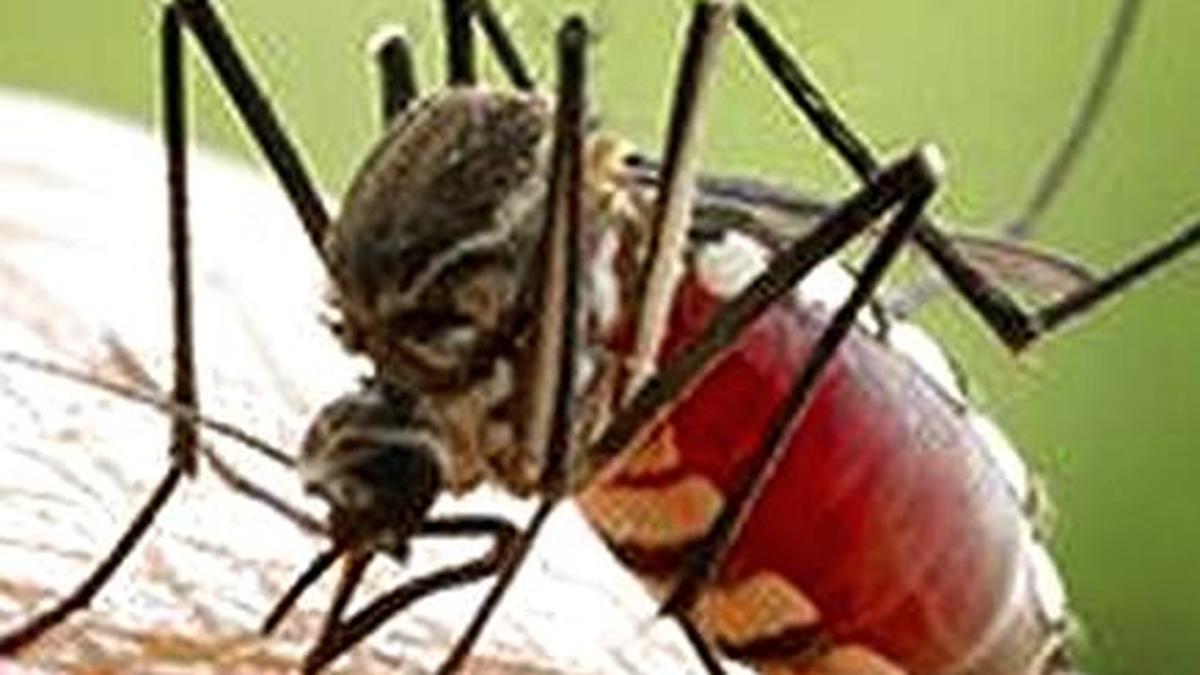
Climate factors serve as crucial early warning indicators for dengue, as they impact the biology of the Aedes mosquito and the replication of the virus. Warmer temperatures speed up mosquito development, shorten the virus's extrinsic incubation period, and enhance transmission efficiency. Moderate to high humidity can prolong mosquito survival, while moderate rainfall creates breeding habitats.
Excessive rainfall can, however, eliminate mosquito breeding sites. Keralam's consistently warm and humid climate makes it particularly conducive to Aedes proliferation and dengue transmission. The Dengue Early Warning System (DEWS), developed by IAV scientist Abhinand C.S., integrates six years of epidemiological data (March 2020 to February 2026) with climatic variables such as rainfall, temperature, and humidity to generate weekly dengue forecasts.
DEWS is currently available at https://dews.iav.res.in, and utilizes epidemiological data from the State Surveillance Unit of the Directorate of Health Services and meteorological data from the India Meteorological Department. The model's predictions align positively with actual case data, and its evaluation for March-July 2026 suggests its potential for early prediction of district-wise dengue trends.
Each district is treated as an independent unit, considering district-specific geographical and environmental factors, enabling the model to be tailored for individual districts. Predicted disease burden is classified into four risk levels, ranging from very high to low, providing district-wise risk indications. Despite its promising potential, dengue remains challenging to predict due to its multidimensional transmission and various influencing factors, including urbanisation, human mobility, water-storage practices, population immunity, and vector biology.
Additionally, under-reporting of asymptomatic or mild cases and differences in testing and reporting practices can introduce geographical biases. IAV acknowledges these limitations, and DEWS will require yearly updates and refinement to enhance its accuracy. The platform may eventually be expanded to other Aedes-borne diseases, bolstering Keralam's disease surveillance capabilities and enabling more timely, data-driven public health interventions.
Written by urgent.news from The Hindu's reporting — not their text. Machine-written — may contain errors; check the original before relying on it.