SC Refuses To Stay UPI MDR, Seeks Centre’s Response On ₹2,000 Threshold
The Supreme Court today refused to stay the Centre’s decision to introduce merchant discount rate (MDR) charges on select UPI…
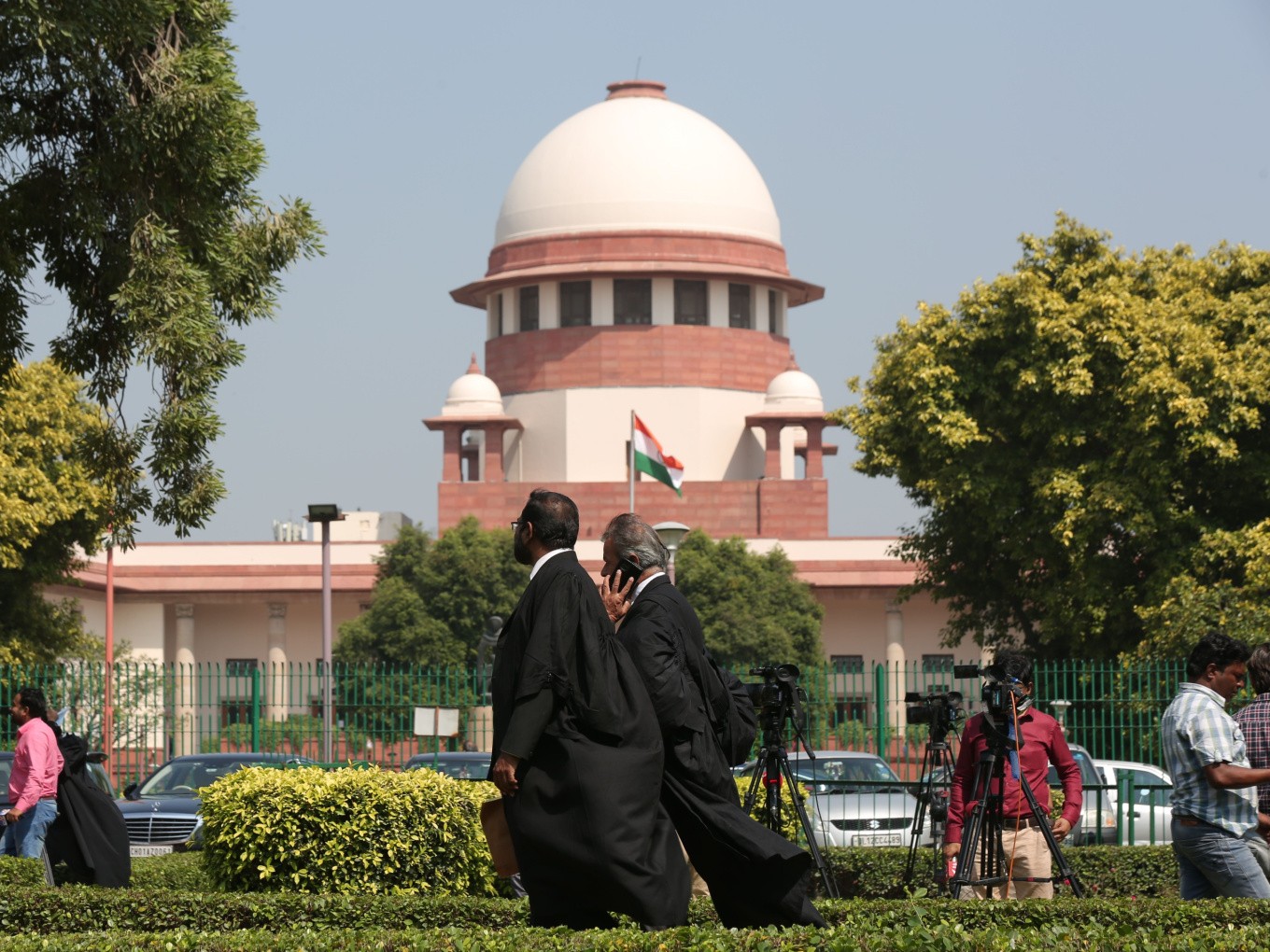
The Supreme Court today declined to halt the government's decision to impose merchant discount rate (MDR) charges on select Unified Payments Interface (UPI) payments exceeding ₹2,000, requesting responses on the legal justification and nature of the levy. The court's bench, led by Chief Justice Surya Kant and Justices Joymalya Bagchi and V Mohana, is hearing a public interest litigation challenge to the framework, set to commence on October 15.
The court directed the Center, Reserve Bank of India (RBI), and National Payments Corporation of India (NPCI) to submit their answers within a month. The petition argued the levy could strain merchants' working capital, prompt traders to reject UPI payments or fragment transactions to avoid fees, potentially passed on to consumers through higher prices.
It questioned the ₹2,000 transaction threshold and the ₹1 lakh monthly income exemption limit for merchants, alleging the government failed to disclose data or methodology used to establish them. The plea also contrasted these limits with the zero-charge protection for RuPay debit card payments, which have no monetary ceiling. For example, a ₹2,001 transaction would incur MDR, while a ₹2,000 payment would be exempt, creating a sharp cost increase that could influence merchant behavior, the petitioner argued.
During the hearing, Additional Solicitor General N Venkataraman informed the court that person-to-person UPI transfers would remain free, and roughly 96% of merchant transactions would be unaffected. Under the framework, person-to-person transactions and person-to-merchant payments up to ₹2,000 would remain free. Eligible person-to-merchant transactions above ₹2,000 would attract a 0.4% MDR, capped at ₹300 at a transaction value of ₹75,000.
Certain sectors, such as railways, telecom, insurance, and fuel, would face a flat ₹5 charge, while capital-market payments would incur a 0.02% levy, capped at ₹300. Small merchants receiving up to ₹1 lakh per month via UPI QR codes would remain exempt. MDR is collected from merchants for processing payments. The framework prohibits passing the charge onto consumers but raises concerns about merchants covering the cost through increased prices.
Written by urgent.news from Inc42's reporting — not their text. Machine-written — may contain errors; check the original before relying on it.