Saudi Arabia resumes oil exports via East-West pipeline after repairs
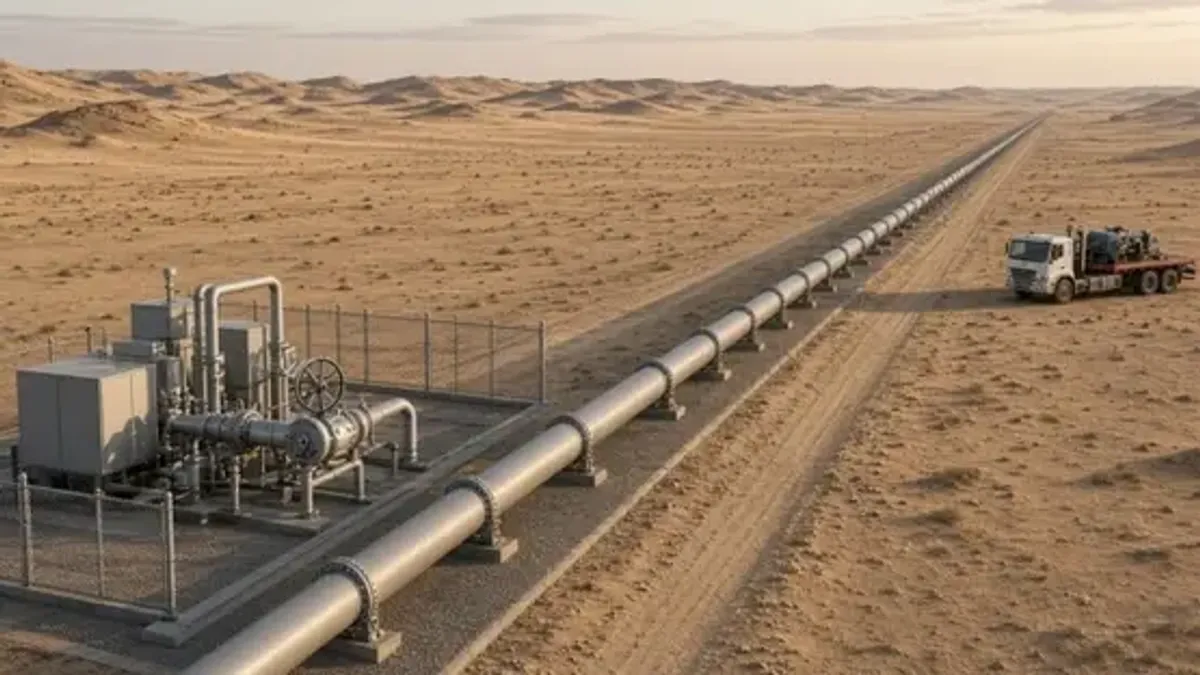
Saudi Arabia has restarted oil exports through the East-West pipeline following repairs after drone attacks earlier this month, Bloomberg reports.
Since the Iran war began, Saudi Arabia's headlines have not been favorable: its GDP has contracted, and Iran-backed forces have targeted its oil infrastructure. Moreover, the kingdom witnessed a rival close the Strait of Hormuz. President Donald Trump reportedly declined Saudi Arabia's request for assistance in combating Houthi threats to Red Sea oil exports, despite the defense agreement between the two allies.
Consequently, Riyadh had to consider a future with reduced U.S. involvement in a riskier environment. However, despite initial challenges, Saudi Arabia now stands to generate more oil revenue than before the war started in February. According to Robin Brooks, a senior fellow at the Brookings Institution, this is because the higher crude price has more than compensated for the decrease in export volume.
Saudi Arabia used to ship around 7 million barrels of oil daily before the war, but that number fell to less than 4 million barrels in March and April, then increased to 5.5 million barrels this month. Meanwhile, Brent crude futures have surged approximately 75% this year and are presently trading at about $107 per barrel. Consequently, Saudi Arabia's annualized export revenues have now reached $210 billion, up from $150 billion prior to the war, representing more than 6% of GDP.
"The Saudi Kingdom is perhaps the only winner in this war," Brooks wrote. The U.S. military's protection of tankers has facilitated the restoration of most oil exports through the Strait of Hormuz, enabling Saudi Arabia to return to the Persian Gulf after attacks on its East-West Pipeline disrupted exports via the Red Sea. However, that route has since resumed.
Bloomberg reported that Saudi Arabia has restarted oil exports from the pipeline, with flows reaching about 3.5 million barrels per day. This amount is less than the pipeline's full capacity of 7 million barrels per day, but it occurred only a few weeks after Iran-backed militias in Iraq damaged the pipeline, necessitating a temporary shutdown.
"For now, any exports Saudi achieves via the Red Sea is just icing on their $100/barrel cake," Tanker Trackers observed on Sunday. It is important to note that Saudi Arabia's oil sector remains susceptible to future attacks from Iran or its regional allies. The Houthis have also secured control over the Bab el-Mandeb Strait oil chokepoint in the Red Sea.
Although ceasefire negotiations between the U.S. and Iran remain stalled due to a lack of progress, some predict the war could persist into 2027. Despite these risks, Iran's predicament appears dire. The U.S. naval blockade is crippling its economy and hindering any of its oil exports. Brooks also noted that once the war concludes, a significantly weakened Iran will depend on foreign aid for years to rebuild its shattered economy.
In contrast, Saudi Arabia is well-positioned to export oil from its Red Sea terminal at Yanbu, now that the East-West Pipeline is back online, as well as from its Persian Gulf ports. "If sustained exports from the east coast continue as loadings from Yanbu recover, total Saudi exports could possibly surpass pre-pipeline attack levels," Hamad Hussain, senior climate and commodities economist at Capital Economics, stated in a note earlier this month.
Written by urgent.news from Fortune's reporting — not their text. Machine-written — may contain errors; check the original before relying on it.
This story
This is one outlet's version. Read the fullest account.
- Saudi Arabia strongly condemns continued Israeli provocative actions against Al-Aqsa Mosque saudigazette.com.sa
- Mediators still working on U.S.-Iran deal after Trump rejected latest Tehran proposal pbs.org
- Saudi Arabia issues 364 new industrial licenses, 164 factories begin production in June english.ajel.sa
- Saudi Arabia is reaping a massive oil windfall, making it perhaps the Iran war’s only winner—Tehran’s proxies actually ‘did Saudi a favor’ fortune.com
- Flights between Iraq’s Najaf and Iran resumed as Tehran protests US curbs aljazeera.com
- Mansour bin Zayed to visit Saudi Arabia on Tuesday gulfnews.com