Recalling the news no-one saw as South Australia plunged into darkness
South Australians were expecting a severe storm on September 28, 2016, and news crews were on the road gathering information. But when the entire state lost power, the sad truth is not many people would have seen the reports.
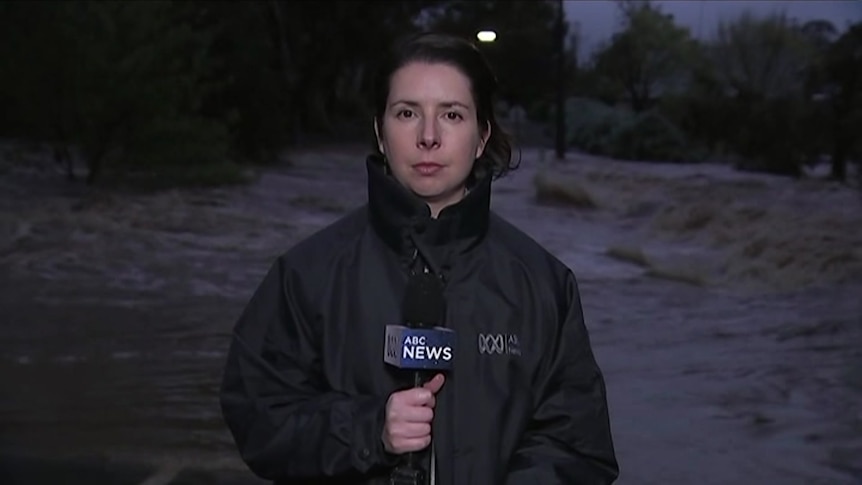
On September 28, 2016, South Australia experienced an unexpected blackout as a massive storm swept through the region. As ABC journalists Tom Fedorowytsch and Stephen Opie drove north, they encountered torrential rain and fierce winds. Upon reaching the town of Blyth, they witnessed severe damage, including roofs torn off buildings and tornadoes tearing through the area. The tornadoes twisted power pylons, setting off a chain of events that ultimately caused the state-wide blackout.
The consequences of the blackout were far-reaching and severe. Businesses lost refrigerated stock, the Port Pirie smelter's blast furnace solidified slag, and backup generators failed at the Flinders Medical Centre, leaving intensive care patients in need of urgent relocation. Families undergoing IVF lost embryos stored at the center. However, the full impact of the crisis was not immediately apparent to the public.
Journalists Tom and Steve spent a long day filming in the rain, but when they finally arrived at their motel in Port Pirie, they found themselves in darkness and unable to access food or basic amenities. They were fortunate to find refuge at the local ABC bureau, which still had power due to a generator. Late-night meals of tinned soup and toast were provided by the bureau's manager, Sarah Tomlinson.
The next day, power slowly returned to some parts of the state, but many areas remained without electricity. Fuel shortages plagued South Australians, who had to swap their cars for those provided by the Port Pirie ABC bureau. Roads were flooded, and communication was severely limited due to downed phone towers. Tom and Steve, despite capturing exclusive images of the tornado-damaged power lines, were still on the move, documenting the extent of the damage.
The most serious consequences of the blackout were felt on the Eyre Peninsula, with the city of Port Lincoln potentially running out of water due to pump failures. Premier Jay Weatherill flew in to address concerns, but communication was a challenge, with no mobile coverage and reporters relying on satellite phones to relay information. The situation was dire enough that the ABC's Dean Faulkner called for an SNG truck to bring cash and water supplies to assist with emergency efforts.
Despite the efforts of journalists and crews, the blackout received limited coverage. The ABC streamed its 7pm news online, but many South Australians were unable to access the internet. The older technology of emergency broadcast radio on ABC Radio proved crucial in keeping the public informed, with the premier using the medium to reassure the public during the crisis.
Written by urgent.news from ABC News AU's reporting — not their text. Machine-written — may contain errors; check the original before relying on it.