Rajasthan Police Blocks 15,326 Mobile Numbers, 7,800 URLs Linked To CSEAM Circulation
Jaipur, Rajasthan: Police have blocked 15,326 mobile numbers and around 7,800 URLs and social media profiles linked to the circulation of child sexual abuse and exploitation material (CSEAM), following tipline reports received through the National Center for Missing & Exploited Children (NCMEC). Police action on digital networks Police said the action followed technical analysis of nearly 25,000…
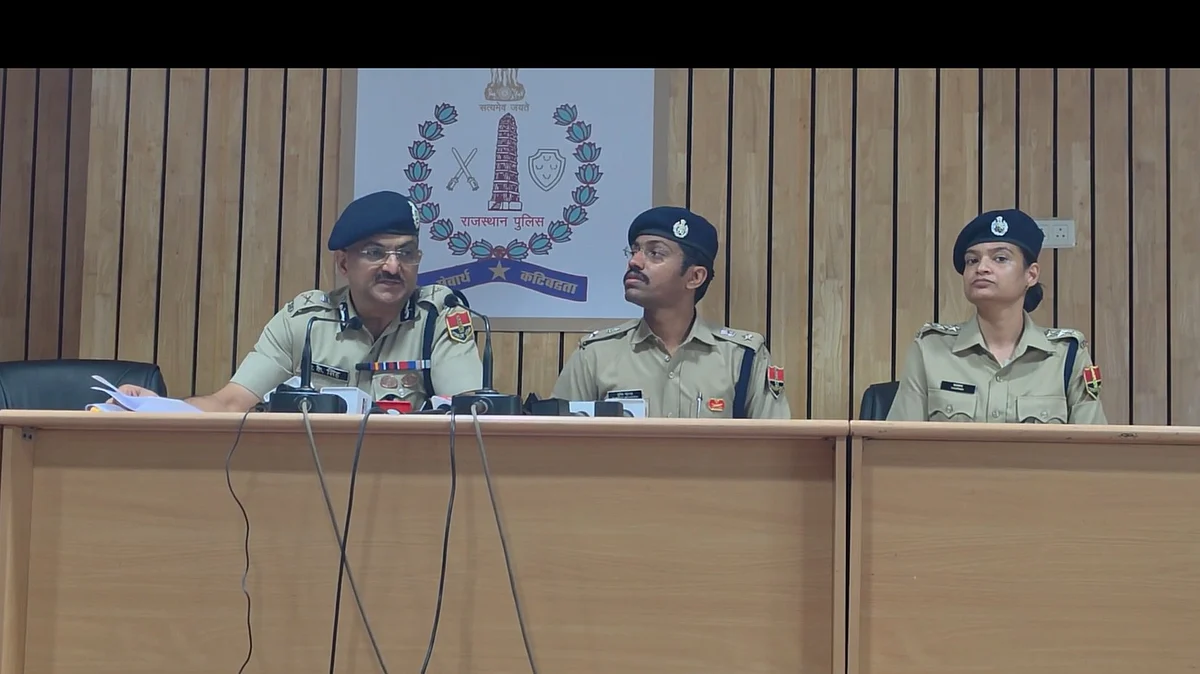
Jaipur, Rajasthan: Law enforcement has taken drastic action against 15,326 mobile numbers and approximately 7,800 online addresses associated with the dissemination of child sexual abuse and exploitation material (CSEAM), following alerts from the National Center for Missing & Exploited Children (NCMEC). Police intervention Police revealed that their response followed a comprehensive examination of close to 25,000 alerts received from NCMEC over time.
Authorities traced digital footprints connected to the reported activities and promptly notified social media platforms and telecommunications providers, resulting in the suspension of the identified accounts, links, and mobile numbers. Approximately 100 devices were also pinpointed during the investigation. पुलिस की आयोजित महत्वपूर्ण प्रेस कॉन्फ्रेंस में जोड़े गए एक वक्त ने बताया कि बच्चों से जुड़े ऑनलाइन खतरनाक सामग्री पर राजस्थान पुलिस का बड़ा अभियान आज राजस्थान पुलिस मुख्यालय में हुआ और बाल यौन शोषण सामग्री (CSEAM) के ऑनलाइन प्रसार के... लिंक <https://twitter.com/PoliceRajasthan/status/1000000000000000000> pic.twitter.com/K8WCIcNwrP — Rajasthan Police (@PoliceRajasthan) September 28, 2026 FIRs have been filed against repeat offenders in various districts, including Churu, Nagaur, Alwar, Khairthal-Tijara, Sikar, Hanumangarh, and Chittorgarh, based on NCMEC alerts and subsequent investigations.
Uncovering online exploitation channels The Additional Director General of Police, Cyber Crime, V.K. Singh, mentioned that offenders are increasingly leveraging platforms like Telegram and Discord to establish private, anonymous, or paid groups and channels for sharing CSEAM. Members frequently use fabricated identities, while in some instances, the material is transmitted via private messages or by uploading files to services like Google Drive and sharing the links.
Rajesh Pathak's E-Rickshaw Controversy Ignites Political Discourse Over Employment and Youth Ambitions In UP Police stated that offenders also employ coded phrases and hashtags on popular social media platforms to avoid detection. In certain situations, communication initiates on platforms like Instagram or Facebook before being transferred to less monitored alternatives.
"Delivering, obtaining, storing, or downloading such material through these channels constitutes a grave offense," the police emphasized. Ongoing investigations The police explained that individuals who have been repeatedly implicated in such activities through NCMEC tippelines have been identified, and charges have been brought against them.
Rajasthan Police is also collaborating with authorities in other states to pinpoint individuals involved in the acquisition, sale, or exchange of CSEAM and share pertinent information with the relevant state agencies for legal proceedings. Continuous monitoring The cybercrime division stated they are persistently observing digital activity related to such networks and utilizing technical analysis to track individuals, even as offenders take advantage of anonymous accounts and fabricated identities.
Safety advisory Rajasthan Police has additionally cautioned parents to diligently supervise their children's mobile phone and internet usage, educate them about hazardous online actions, and promptly report suspicious links, groups, channels, or CSEAM-related content to the police.
Written by urgent.news from Free Press Journal's reporting — not their text. Machine-written — may contain errors; check the original before relying on it.