Preserving wildlife DNA for the future: Interview with the Frozen Zoo’s Katie Heineman
Kurt, a Przewalski’s horse, was born at San Diego Zoo in the U.S. in August 2020. Less than three years later, Ollie followed. Out in the wild, their species had gone extinct in the 1960s. Both individuals, born of a surrogate mother — a domestic horse — were the first Przewalski’s horses (Equus ferus przewalskii) […]
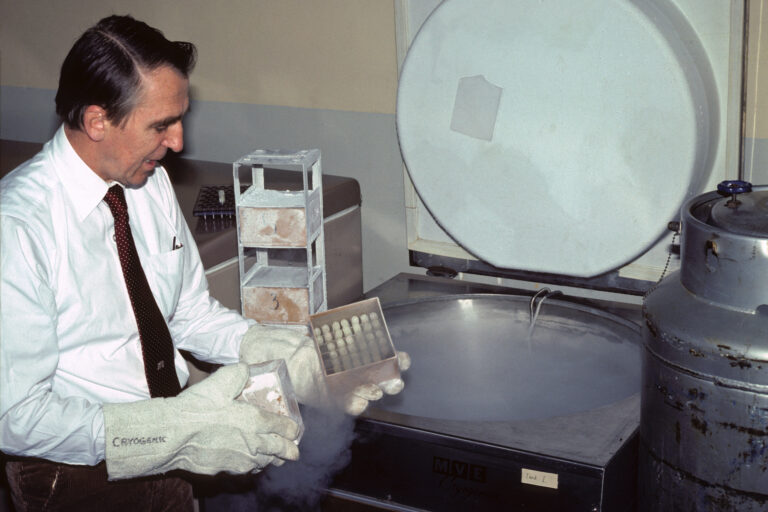
The San Diego Zoo Wildlife Alliance (SDZWA) houses the world's largest initiative for preserving genetic materials from animals and plants, known as the Frozen Zoo. This facility utilizes liquid nitrogen to store samples at temperatures as low as -196° Celsius (-320° Fahrenheit) for future use. Katie Heineman, conservation program leader for biodiversity banking at SDZWA, explained the significance of this endeavor to Mongabay in a video interview, stating, "It really is an optimistic act to conserve biodiversity for a time where we've solved the threats facing nature."
One success story from the Frozen Zoo is the successful cloning of Przewalski's horses, a species that went extinct in the wild in the 1960s. In 2020, Kurt and Ollie, two Przewalski's horses born to surrogate mothers, made history as the first of their kind to be cloned from DNA preserved for 40 years at the zoo. The SDZWA's broader biodiversity banking initiative also includes a native plant gene bank and a tissue and DNA bank.
Heineman highlighted the potential applications of biodiversity banking, emphasizing its role in aiding the recovery of threatened species, preserving genetic diversity, and facilitating scientific research. However, the urgency of this cause is underscored by the rapid habitat degradation and biodiversity loss currently occurring globally.
Heineman expressed a need to increase capacity worldwide to ensure more samples are collected and preserved, highlighting the critical importance of this work in safeguarding our planet's biodiversity.
Written by urgent.news from Mongabay's reporting — not their text. Machine-written — may contain errors; check the original before relying on it.