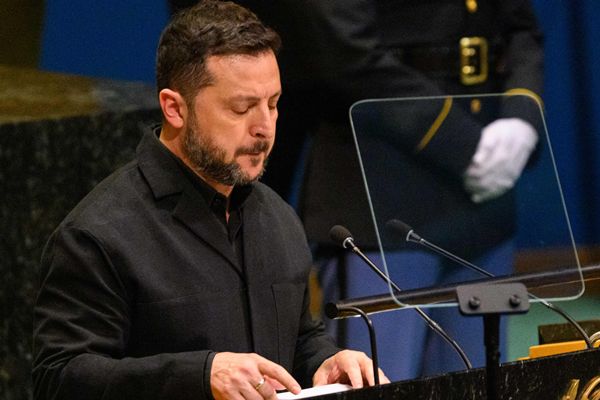
Politicians' pension reform needed to ensure fairness
KUALA LUMPUR: Issues revolving around the government’s pension scheme are expected to rise again during the 2027 Budget debate.
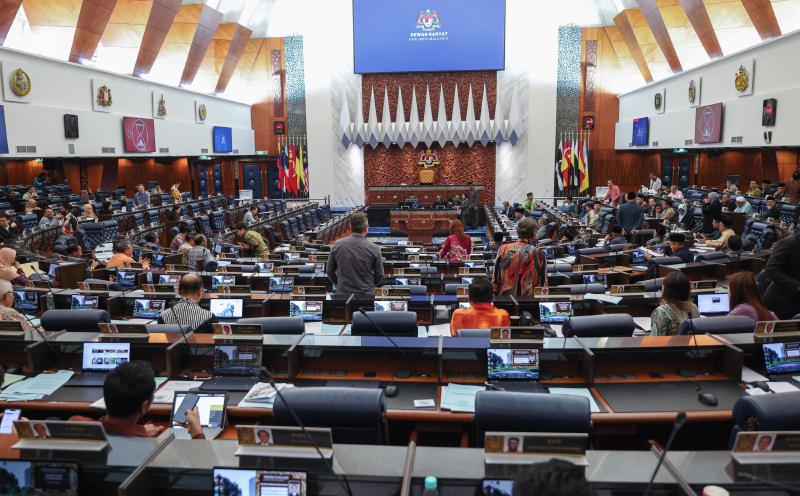
KUALA LUMPUR: The Malaysian government's pension system is anticipated to be a focal point during the 2027 Budget debate, with concerns mounting due to the impending cost of RM46.36 billion in payments by 2030. Dr Yeah Kim Leng, an economic professor from Sunway University, emphasizes the urgency of reforming the pension system, as the current trajectory is unsustainable and the pension liability will likely dominate operational expenditure.
A significant portion of the 2026 Budget, amounting to RM42.8 billion, was allocated for pensions, representing approximately 12.3% of the total federal government revenue. The government is particularly scrutinizing the pension system for politicians, as many hold multiple positions and thus multiple pensions, which presents a challenge in reforming the system without compromising entitlements already granted by existing laws.
Prime Minister Datuk Seri Anwar Ibrahim has stated that the government is refining a new mechanism for the civil service retirement scheme, based on the contributory permanent appointment basis. However, experts suggest that reforming the pension system for politicians is equally important in ensuring fairness. National Unity Advisory Council member and political analyst, Professor Datuk Dr Awang Azman Awang Pawi, proposes a single-pension principle, where each individual should have one publicly funded defined-benefit pension, while subsequent political service should be covered through a contributory scheme.
This reform would not unfairly deny politicians' contributions or rights already earned, but rather prevent the accumulation of multiple lifetime pensions funded primarily by taxpayers. The Australian government pension scheme, which now requires government contributions equivalent to 15.4% of elected representatives' parliamentary salary into their chosen retirement fund, could serve as a model for Malaysia.
Similarly, Singapore abolished pensions for political office-holders and MPs who began service after May 21, 2011, preserving existing rights while limiting new entitlements.
Written by urgent.news from New Straits Times's reporting — not their text. Machine-written — may contain errors; check the original before relying on it.