Permagardens take root after three dry years in coastal Kenya’s Mbuguni region
Three and a half years: that is how long the sky over Mbuguni, Kenya stayed stubbornly empty. The post Permagardens take root after three dry years in coastal Kenya’s Mbuguni region appeared first on Ghana Business News .
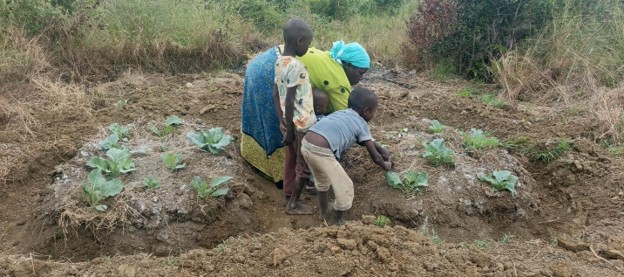
From August 2024, The Permagardens Foundation began teaching residents of Mbuguni, Kenya how to cultivate permagardens, a drought-resistant method of farming. In the remote village of Matuga, Kwale County, three and a half years had passed without any rainfall. The lack of rain caused crops to die, food stores to be depleted, and families to run out of seeds.
People faced difficulties finding food and water, leading some women to walk long distances in search of resources. Some men left the area to find work, and children even dropped out of school or took on fishing jobs using mosquito nets. Malnutrition and stunting were common among children, with some children spending most of their day sleeping or becoming weak while walking to school.
The Permagardens Foundation provided training for families in Mbuguni to establish permagardens using locally available resources and water-efficient techniques. Women who established the gardens were able to feed their households and generate income by selling surplus vegetables. This allowed them to pay for school fees and medical expenses. By November 2024, an increase in the number of children attending school was recorded, and no cases of children falling along the road while going to school were reported.
Mwanajuma Bakari, a widow raising nine children, used the permagarden to feed her family and pay for school fees. Binti Nasoro, a single mother of eight, also utilized her permagarden to support her children's education, as half of her harvest helped pay for their school fees. Mwanamisi Masudi, a mother of eight, mentioned that the drought had left her household with nothing but now they have enough vegetables and are no longer hungry. The gardens have provided families with both food and income.
The approach is empowering, as women manage the gardens and make decisions about using the produce and income. While climate change may bring more droughts and floods, the residents of Mbuguni are now resilient and food sovereign, transforming empty plots into sources of food, income, and dignity.
Written by urgent.news from Ghana Business News's reporting — not their text. Machine-written — may contain errors; check the original before relying on it.