OpenAI's custom Jalapeno AI inference ASIC is for OpenAI’s internal use, but company leaves the door open to broader rollout
OpenAI has danced with the idea of a broader rollout of its Jalapeño ASIC, but hardware VP Richard Ho tells us the chip is for internal use “first and foremost.”
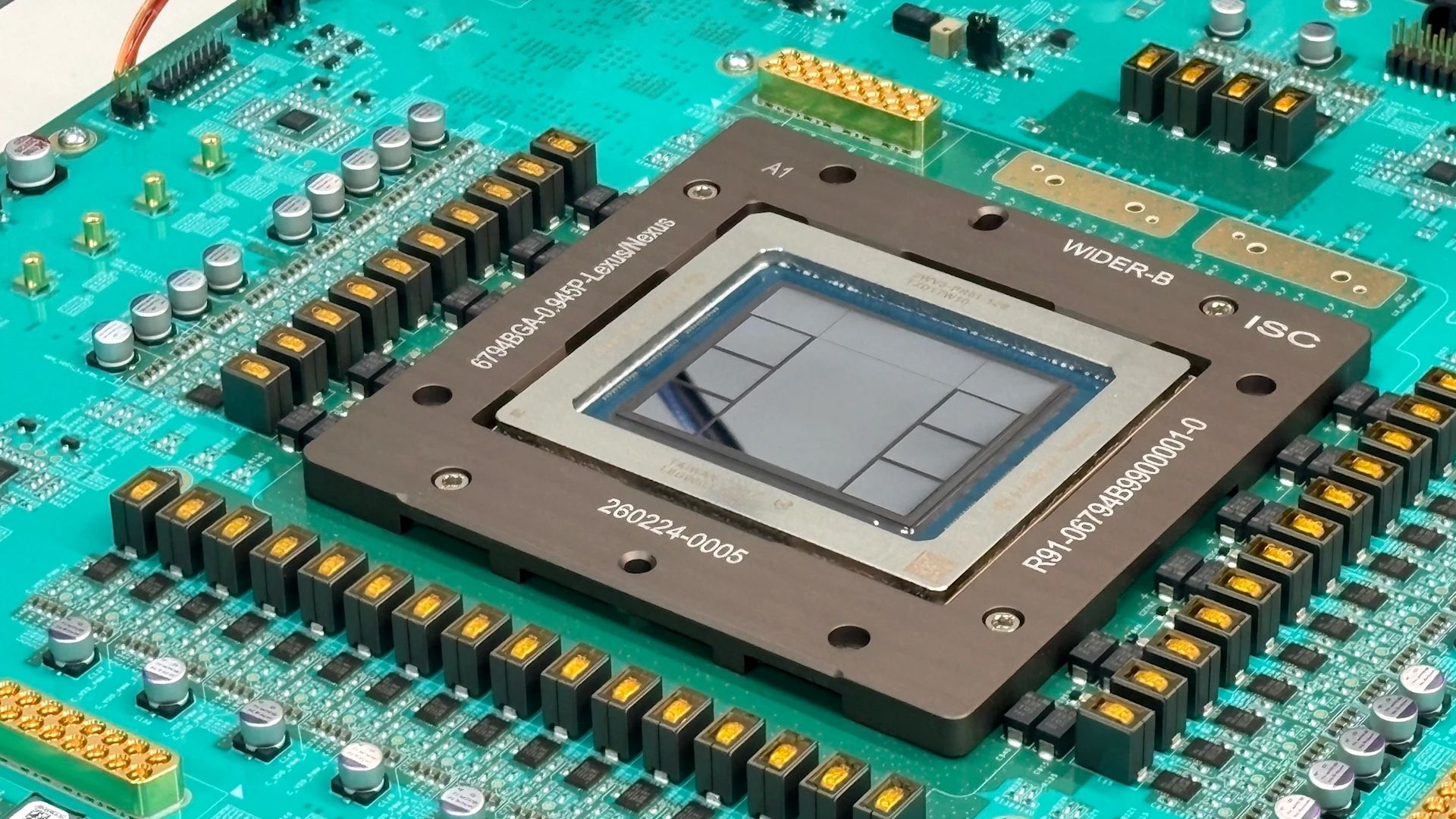
OpenAI's custom Jalapeño AI inference ASIC is currently for internal use, but the company has left the door open for a broader rollout. Head of Hardware at OpenAI, Richard Ho, confirmed that the ASIC is built for OpenAI's compute needs, which are growing rapidly. He acknowledged that the team will be focused on meeting OpenAI's compute demands first before considering any external rollouts.
Ho emphasized that Jalapeño is programmable and general-purpose, not hard-coded for OpenAI models specifically. The company demonstrated the ASIC's capabilities by running its open-weight GPT-OSS model, as well as DeepSeek R1 and Kimi K2.5, on Jalapeño during a presentation at Hot Chips 2026. Ho stressed that Jalapeño's design goal was efficiency, as it targets power-constrained modern AI data centers.
While the competitive positioning of Jalapeño is compared to Nvidia's Blackwell and Vera Rubin platforms, OpenAI has not yet released internal benchmarks against Vera Rubin. Ho noted that the company is doing well in internal benchmark comparisons, indicating a strong performance of the ASIC.
Written by urgent.news from Tom's Hardware's reporting — not their text. Machine-written — may contain errors; check the original before relying on it.