One Shot or Two? What to Know About HPV Vaccination Recommendations
(MedPage Today) -- Preteens may soon have something to celebrate: Medical experts are discussing the possibility that one dose of a life-saving cancer vaccine, instead of two, may be enough to protect them. U.S. vaccination recommendations have...
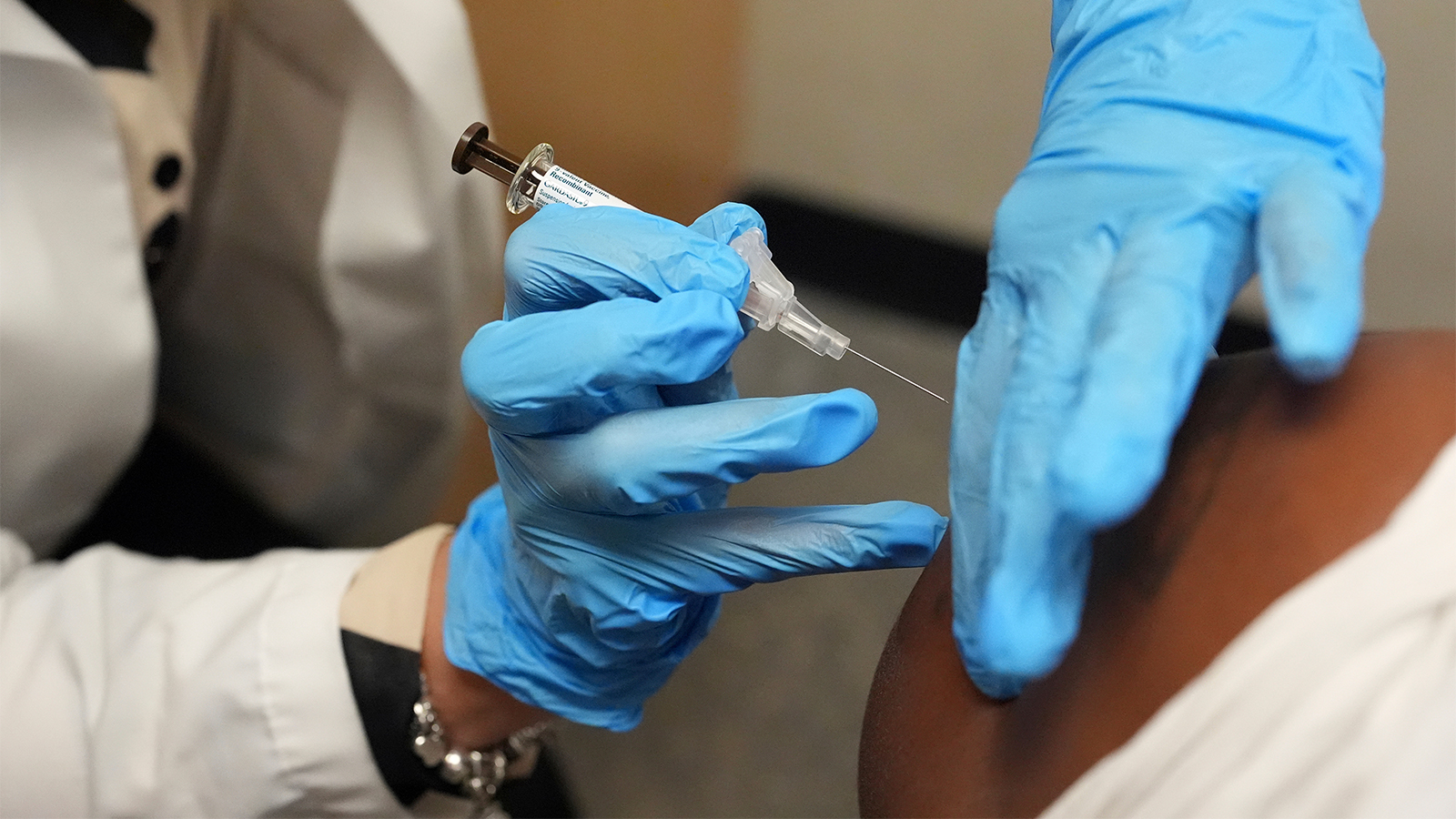
The latest developments in HPV vaccination recommendations have sparked discussions among medical experts. Preteens may soon be eligible for a single dose of the life-saving cancer vaccine, instead of the traditional two. This potential change comes after years of disagreement among federal officials and doctors over guidance and even legal battles.
HPV, or human papillomavirus, is a highly prevalent sexually transmitted infection in the U.S., affecting both men and women. More than 40 HPV types can infect the genital areas, mouth, and throat. Certain strains are responsible for most cases of genital warts and about 90% of cervical and anal cancers.
Since its introduction in 2006, HPV vaccines, such as Merck's Gardasil and GSK's Cervarix, have been recommended for 11- and 12-year-olds to ensure maximum protection before sexual activity. Previously, the vaccine required three doses over six months, but in 2011, the dosing recommendations were changed to two doses spaced six to twelve months apart, as studies showed that amount provided sufficient protection.
In 2020, the American Cancer Society updated its guidelines for women, raising the age at which cervical cancer screenings should begin to 25. This change was attributed to the data indicating that vaccinations had led to a decrease in cervical cancer precursors.
Recent studies have shown that HPV vaccines have significantly reduced the risk of genital-area cancers, genital warts cases, and precancerous cervical lesions in women. Additionally, vaccinated males are nearly 50% less likely to develop cancers of the head, neck, esophagus, anus, or penis.
However, HPV vaccination rates have remained lower than those of other adolescent vaccines due to lower school attendance requirements. The shots are also known to be more painful, which may contribute to the lower uptake.
While the idea of reducing the number of recommended doses to one has gained attention in recent years, medical experts still advise that kids receive two shots. This is because there is less evidence supporting the effectiveness of a single dose for other types of cancer in girls, and no data on the sufficiency of one shot for boys.
Written by urgent.news from MedPage Today's reporting — not their text. Machine-written — may contain errors; check the original before relying on it.
This story
This is one outlet's version. Read the fullest account.
- One shot or two? What to know about HPV vaccination recommendations medicalxpress.com