No stay on MDR but SC asks under what law was it imposed
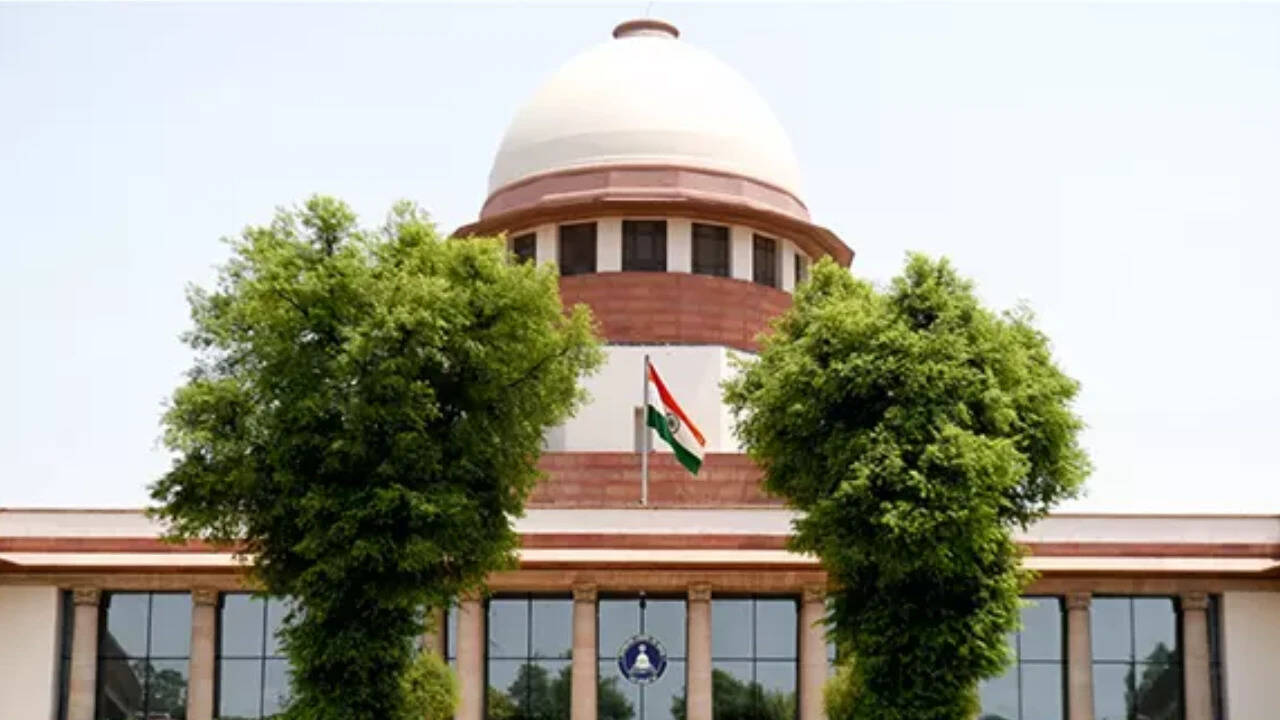
The Supreme Court on Monday requested the Centre, RBI, and NPCI to clarify the legal basis for the implementation of the merchant discount rate (MDR) on UPI transactions, without issuing a stay on its enforcement from October 15. The bench, comprising Chief Justice Surya Kant and Justices Joymalya Bagchi and V Mohana, questioned whether the MDR is a tax or a fee, and if not, what is the nature of this imposition?
They sought to understand the executive authority behind the expropriation of funds on transactions. The Additional Solicitor General, N Venkataraman, clarified that MDR is not a tax or a fee, nor an expropriation, as the government will not receive any funds from it. He described it as akin to the service charges levied on card transactions previously, though the scope of MDR is more limited.
Venkataraman noted that 96% of transactions are exempt from MDR, with a flat charge of Rs 5 applied to essential services within the remaining 4%, and a maximum MDR of Rs 300 for transactions exceeding Rs 75,000. Justice Bagchi sought explanations regarding the nature of this "service charge," arguing that it cannot be attributed to executive authority.
Explaining UPI's operation, similar to credit and debit card transactions, Venkataraman emphasized that there is no difference between UPI and the earlier system, and that a service charge is payable to banks and the aggregator NPCI for facilitating these transactions. The government does not take any funds from this charge. Justice Bagchi questioned on whose behalf this charge is considered income under the Income Tax Act, to which Venkataraman replied that the relevant provision in the Income Tax Act merely recognizes UPI money transfers as valid transactions, nothing more.
When asked who receives the MDR amount, the Centre stated that it would be the banks and the aggregator, just like with credit or debit cards. It is purely an administrative mechanism. The Chief Justice noted that the issue appears more technical than legal and suggested that the government, RBI, and NPCI file detailed affidavits to clarify the entire matter.
The petitioner's counsel opposed a stay on the MDR's imposition, arguing that it would come into effect on October 15, which was dismissed by the bench. They requested the Centre, RBI, and NPCI to file affidavits within four weeks.
Written by urgent.news from Times of India's reporting — not their text. Machine-written — may contain errors; check the original before relying on it.