New device captures carbon dioxide by pumping it across a battery
The design requires less energy to capture CO 2 than current systems.
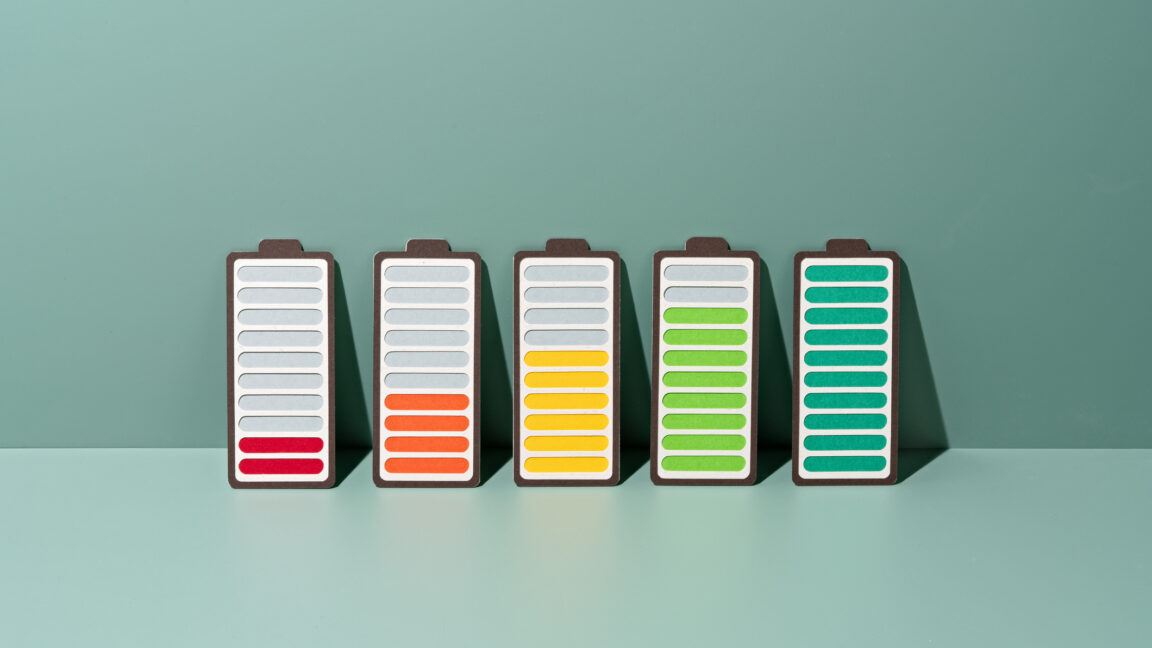
A team led by James Buchen at the University of Delaware has developed a novel carbon capture device that operates by pumping carbon dioxide across a battery. Unlike traditional methods that use granules or liquids to absorb CO2 and then heat it to release the gas, this electrochemical approach relies on chemical reactions within a battery.
The design involves producing hydroxide ions at the battery cathode, which react with CO2 to form carbonate or bicarbonate. These compounds then pass through a separator membrane to the anode, where the lower pH causes the reaction to reverse, releasing CO2 gas. The innovation of this battery-based technique is its potential for lower energy consumption, making it a more cost-effective solution compared to existing reversible-filter designs.
Written by urgent.news from Ars Technica's reporting — not their text. Machine-written — may contain errors; check the original before relying on it.
This story
This is one outlet's version. Read the fullest account.