NASA, Boeing Share Update on Commercial Starliner Development Plans
On Monday, NASA and Boeing provided an update on the company’s Starliner spacecraft, including adding additional crew missions and certifying a new rocket for crew transportation to low Earth orbit. “We are living through the most exciting era of space exploration since Apollo,” said NASA Administrator Jared Isaacman. “As this domain continues to open, there […]
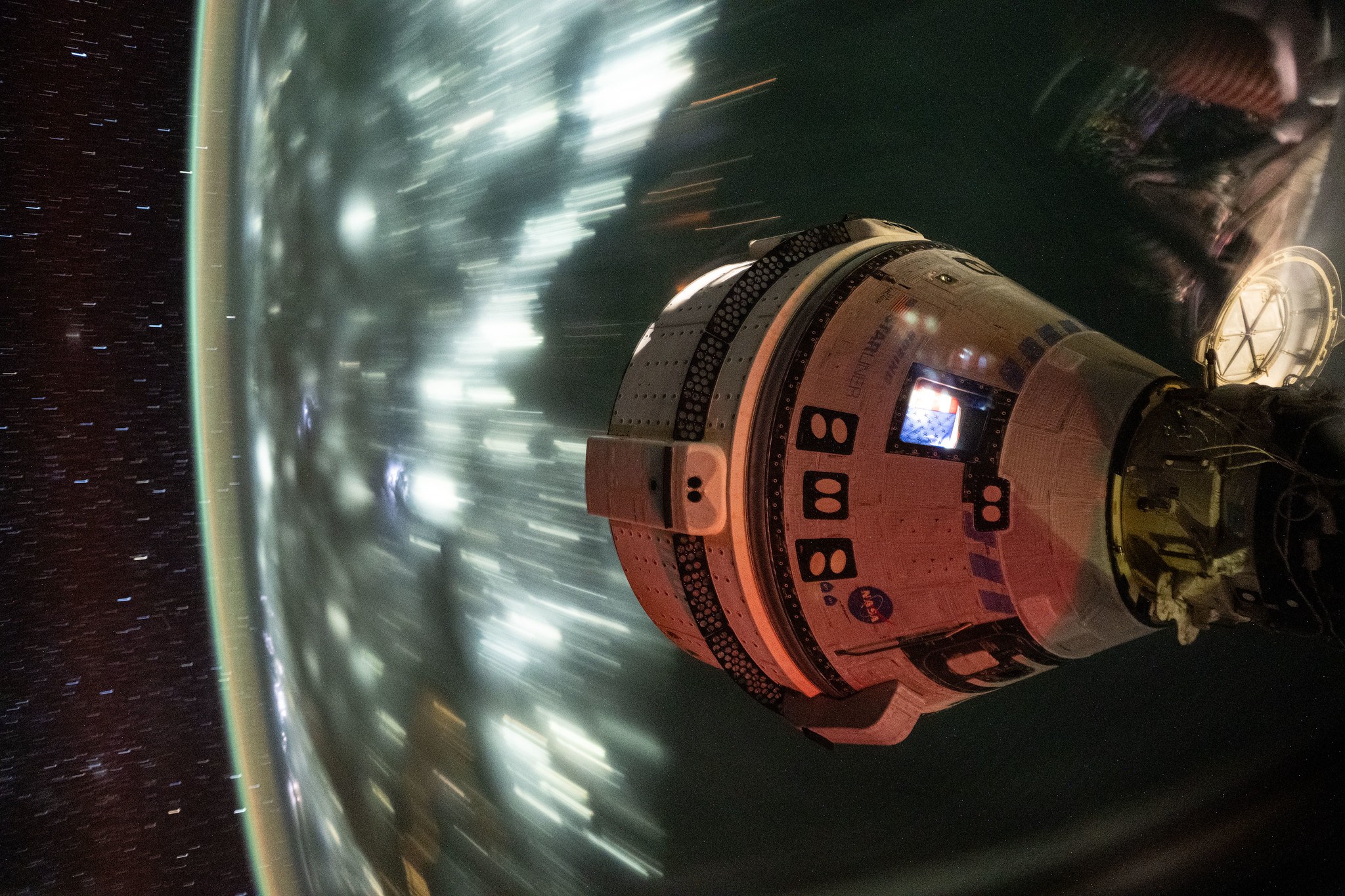
NASA and Boeing delivered an update on the Starliner spacecraft development, announcing plans for additional crew missions and certification of a new rocket for low Earth orbit transportation. NASA Administrator Jared Isaacman expressed excitement over the current period of space exploration, stating that multiple crew transportation options are a priority for the agency.
The Commercial Crew Program has been committed to this goal since its inception. Following the issue that led to an uncrewed return of the Starliner during its first crewed flight in 2024, NASA and Boeing have identified 61 programmatic and technical recommendations to ensure future missions meet high standards for human spaceflight.
Boeing has implemented thermal modifications to the spacecraft's service module based on the findings, and NASA will evaluate these improvements for Starliner-1. An uncrewed Starliner-1 mission is planned for either December 2026 or January 2027, serving as an engineering evaluation mission to validate improved thermal environments, gather necessary performance data, and identify residual risks before crewed flights.
Following the flight, NASA and Boeing will address remaining issues, including thruster valve design modifications and other spacecraft improvements.
Written by urgent.news from NASA's reporting — not their text. Machine-written — may contain errors; check the original before relying on it.
This story
This is one outlet's version. Read the fullest account.