NASA Armstrong Celebrates 80 Years of Flight Innovation
On Sept. 30, 1946, five National Advisory Committee of Aeronautics (NACA) engineers arrived at Muroc Army Airfield in California’s high desert to achieve supersonic flight for the first time. In less than two years, NACA flew the X-1 aircraft faster than the speed of sound, marking an important milestone in aviation history. Fast forward 80 […] The post NASA Armstrong Celebrates 80 Years of…
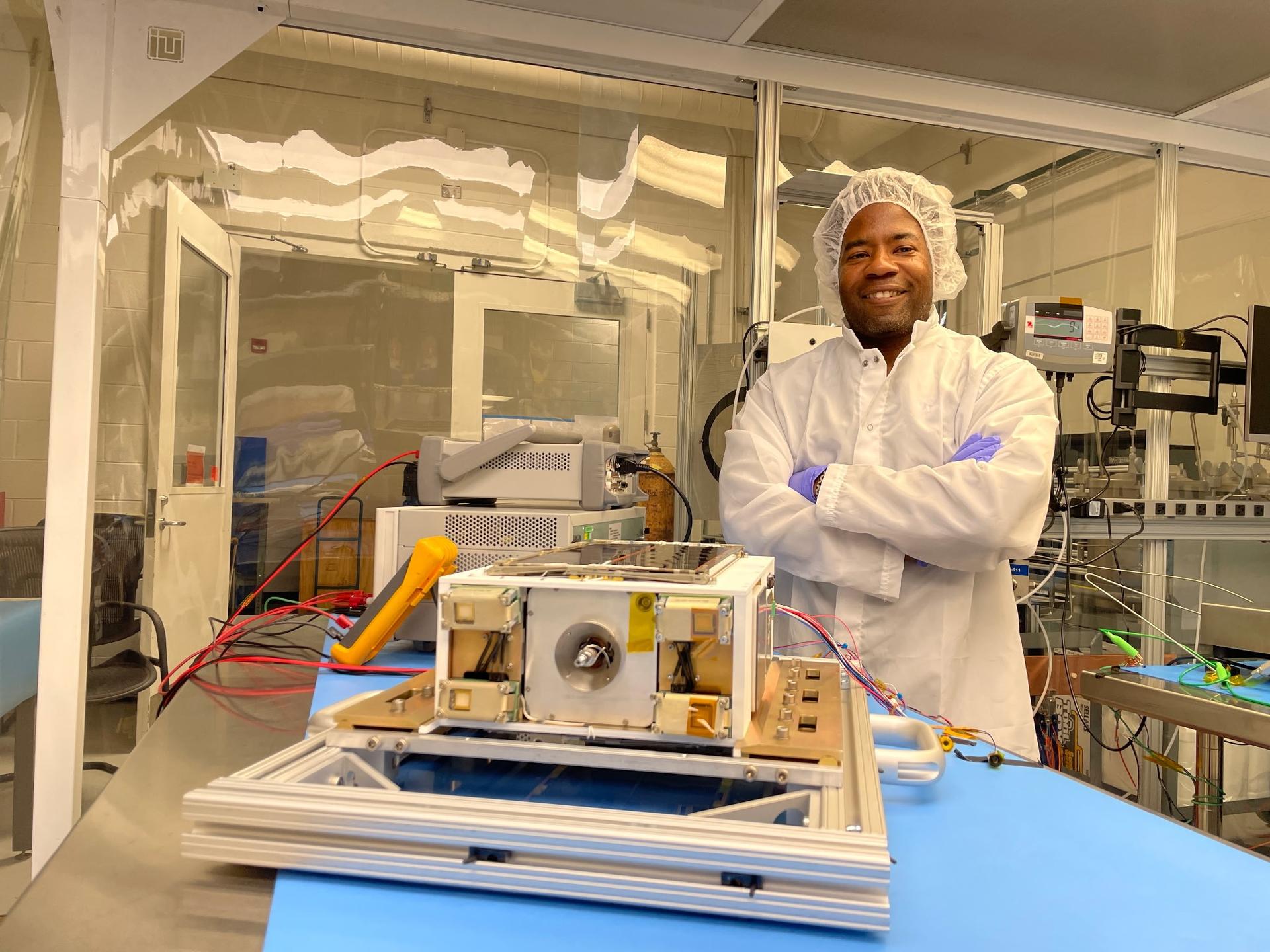
Exactly eighty years ago, on September 30, 1946, a group of National Advisory Committee of Aeronautics (NACA) engineers made aviation history by achieving supersonic flight at Muroc Army Airfield in California's high desert. Within two years, NACA successfully flew the X-1 aircraft faster than the speed of sound. Today, that original NACA site has evolved into NASA's Armstrong Flight Research Center in Edwards, California, where it continues to pioneer groundbreaking aviation research.
Over its 80-year tenure, the center has been instrumental in numerous milestone missions, from space shuttle landings to SR-71 flights, and has played a pivotal role in shaping the future of science, aeronautics, and space research. In recognition of its exceptional contributions, NASA Administrator Jared Isaacman recently designated Armstrong as the agency's Center of Excellence for Flight Test and Aircraft Operations, acknowledging its unparalleled expertise in executing unique missions that only NASA can undertake.
To support NASA's Artemis missions aimed at returning to the Moon, Armstrong deploys advanced research aircraft such as a 737 for astronaut suit testing, the G-III for Artemis II heat-shield data collection, and an F/A-18 aircraft that recently tested the autopilot for the SLS (Space Launch System) rocket. At the forefront of NASA's aeronautics efforts is the X-59, a supersonic X-plane undergoing rigorous testing at Armstrong to prepare for future quiet supersonic demonstrations over U.S. communities.
This center has not only revolutionized commercial and military aviation but also continues to collaborate with various government agencies, industry partners, and academic institutions to enhance the safety, autonomy, and efficiency of flight. Beyond its contributions to aviation, Armstrong plays a crucial role in global scientific endeavors by utilizing aircraft like the ER-2, C-20A, and Gulfstream G-III/IV/V to gather vital data on wildfires, glacier melt, pollution, minerals, and other environmental factors.
The center's success is a testament to the dedication and expertise of its engineers, pilots, technicians, and mission support teams who consistently push the boundaries of what is possible in aviation and space exploration. For more information about NASA Armstrong, visit the official website at https://www.nasa.gov/armstrong.
Written by urgent.news from NASA Science's reporting — not their text. Machine-written — may contain errors; check the original before relying on it.