Mohamad Hasan warns West Asia war, Hormuz closure ripple globally, urges UN reforms
NEW YORK, Sept 28 — Conflicts in West Asia and the closure of the Strait of Hormuz are no longer issues affecting...
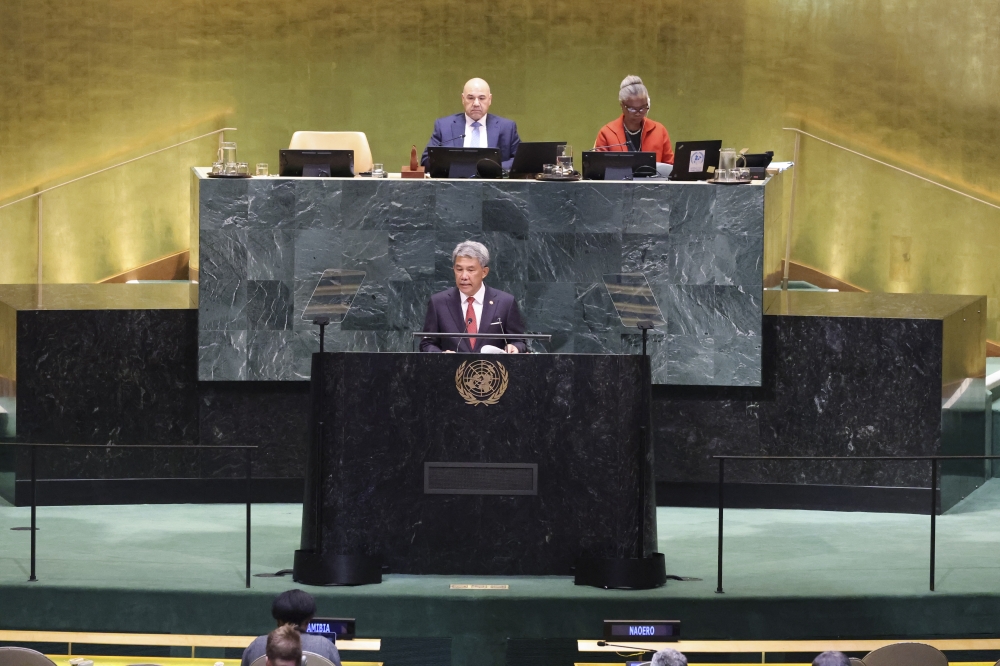
On September 28, Malaysian Foreign Minister Datuk Seri Mohamad Hasan warned that the ongoing conflicts in West Asia and the closure of the Strait of Hormuz have far-reaching global impacts, extending beyond the immediate region. He highlighted that today's wars affect not just the countries directly involved, but also people worldwide due to the heightened interconnectedness between nations.
The closures and conflict are causing economic strain and daily hardships for families in Southeast Asia, through rising prices for goods and fuel, among other issues, Hasan explained during a press conference following Malaysia's national statement at the UNGA's 81st General Debate.
He emphasized the need for the United Nations (UN) to revert to its founding principles to prevent further human suffering and destruction, as many have seemingly forgotten the hardships caused by wars, despite ongoing conflicts in Europe, Africa, and West Asia. The Malaysian Foreign Minister expressed concern over the declining international confidence in the UN, noting the emergence of a "trust deficit."
He called for reforms, particularly within the UN Security Council (UNSC), particularly regarding the use of veto power, which should not be used arbitrarily, especially in cases of crimes against humanity, genocide, and other atrocities. Even with broad support from UN members, many resolutions fail at the Security Council due to vetoes, he argued.
Mohamad also pointed out that numerous UN resolutions have been passed, yet decisions get stalled when they reach the Security Council, even when more than two-thirds of the votes are in favor. He pointed to the continued violations of international and humanitarian laws and highlighted the necessity of regulating artificial intelligence (AI) to prevent misuse as a weapon that could cause harm to humanity. He stressed that unregulated AI could pose a significant threat, particularly in warfare contexts.
Written by urgent.news from Malay Mail's reporting — not their text. Machine-written — may contain errors; check the original before relying on it.