Loneliness and isolation could cost you 6 years of healthy life
How many healthy years might loneliness and social isolation actually cost us? Researchers did not have a clear answer—until now.
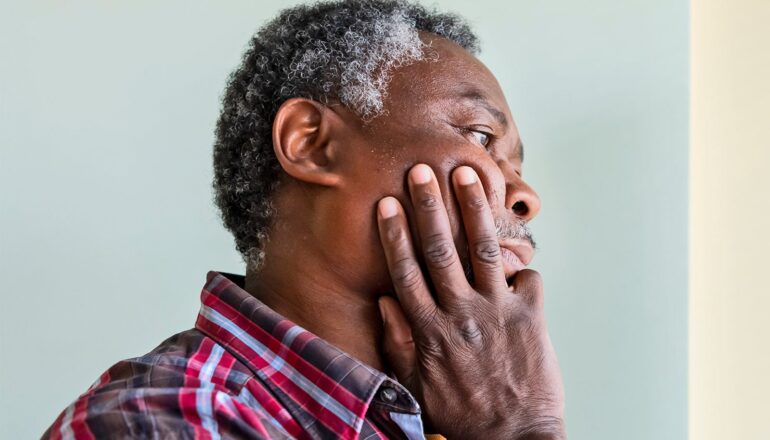
A recent study conducted by researchers from Tulane University's Celia Scott Weatherhead School of Public Health and Tropical Medicine has revealed that loneliness and social isolation are eroding nearly six years of healthy life for many adults in the United States. The research, published in Nature Communications, sheds light on the significant impact these issues have on both physical and mental well-being.
Approximately half of all U.S. adults are currently experiencing loneliness, while nearly the same number feel socially isolated. Despite the severity of these problems, they have been largely overlooked as critical public health concerns. The study, led by Professor Lu Qi, aimed to quantify the toll loneliness and social isolation take on disease-free life expectancy.
To do this, the researchers analyzed data from 277,489 adults aged between 40 and 69 who were initially free from major chronic conditions such as diabetes, heart disease, lung disease, dementia, cancer, depression, and anxiety. The study measured how the presence of loneliness and social isolation affected the number of disease-free years individuals could expect to live, setting age 50 as a reference point.
The findings were clear: women who experienced both loneliness and social isolation lost 2.4 fewer years free of physical disease compared to those without these issues, while men lost 1.7 years. The impact on mental health was even more pronounced: women lost approximately 3.7 fewer years free of mental disorders, and men lost around 5.8 years.
These results highlight the gender differences in the effects of loneliness, with men being more susceptible to its negative impacts. Additionally, women generally have a longer lifespan than men, which may contribute to the greater disparity in loss of disease-free years for them.
One of the most intriguing findings was that a healthier lifestyle, including factors such as diet, exercise, sleep, and refraining from smoking, was able to mitigate some of the loss of disease-free years associated with social isolation. However, the researchers noted that a healthier lifestyle did not significantly reduce the added health risks linked to loneliness. This suggests that these two issues may require distinct approaches in terms of intervention and prevention strategies.
The study's lead author, Professor Lu Qi, emphasized the significance of these findings, noting that previous research has consistently demonstrated the link between social isolation and loneliness and increased mortality rates, particularly premature mortality. The study provides additional evidence supporting this relationship and underscores the urgent need for greater awareness and action regarding these issues.
Future research will involve examining different population groups and testing the causality of these effects through clinical trials.
Written by urgent.news from Futurity's reporting — not their text. Machine-written — may contain errors; check the original before relying on it.