Klima-Transformation: Das steckt hinter dem Umbau der Stahlindustrie
Die deutsche Stahlindustrie steckt Milliarden in die Klima-Transformation. Was der Plan ist - und was die Hürden sind.
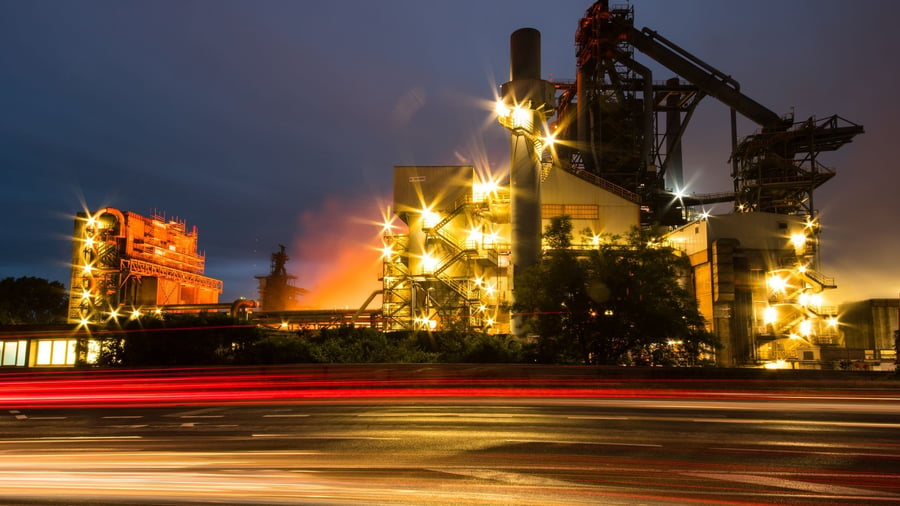
The transformation of the German steel industry towards greener, climate-friendly production methods is a significant initiative to reduce CO2 emissions. This transformation is underway in the Saarland, with an estimated cost of 4.6 billion euros. Both federal and state governments are contributing 2.6 billion euros to this project, while the remaining expenses are shouldered by the industry itself.
Alongside Saarland's Stahl-Holding, major steel producers like Thyssenkrupp in Duisburg and Salzgitter AG in Lower Saxony are also developing transformation projects.
Steel is one of the largest CO2 emitters in Germany, and its transformation is crucial for achieving climate goals. Green steel is produced using the least carbon-intensive hydrogen instead of carbon. This is achieved by using hydrogen generated from renewable energy sources like wind or solar power in direct reduction plants, which replace the carbon used in traditional blast furnaces to extract iron from iron ore. When produced without emitting climate-damaging carbon dioxide, steel is referred to as "green."
Hydrogen plays a central role in the production of green steel, replacing carbon and Koks. Unlike blast furnaces, direct reduction plants do not produce molten pig iron but solid steel sponges, which must then be melted to be processed into steel. As a byproduct, water is produced instead of carbon dioxide. The Saarland example demonstrates the potential, with new plants in Dillingen and Völklingen aiming to reduce CO2 emissions by up to 55 percent by the early 2030s, cutting annual emissions to 4.8 million tons.
Currently, hydrogen is significantly more expensive than fossil alternatives. Experts predict that while costs will decrease, green hydrogen will still be at least twice as expensive as gray hydrogen produced from natural gas as of 2030. Therefore, green steel remains considerably pricier than conventionally produced steel. Critics question the economic viability of CO2-reduced steel production, even with government subsidies.
Additionally, green hydrogen is not yet widely available, and importing cheap steel from outside Europe, often produced under less stringent environmental regulations, poses further challenges.
Written by urgent.news from Handelsblatt's reporting — not their text. Machine-written — may contain errors; check the original before relying on it.