Kill webs, drones and less guesswork: How India's armed forces are using AI in combat
Artificial intelligence is actively being integrated into India's armed forces to improve military operations and efficiency. Operation Sindoor showcased the effectiveness of AI in analyzing military data and enhancing battlefield strategies. Various AI applications are utilized, including systems for target detection and operational planning. Additionally, advancements in combat technology aim…
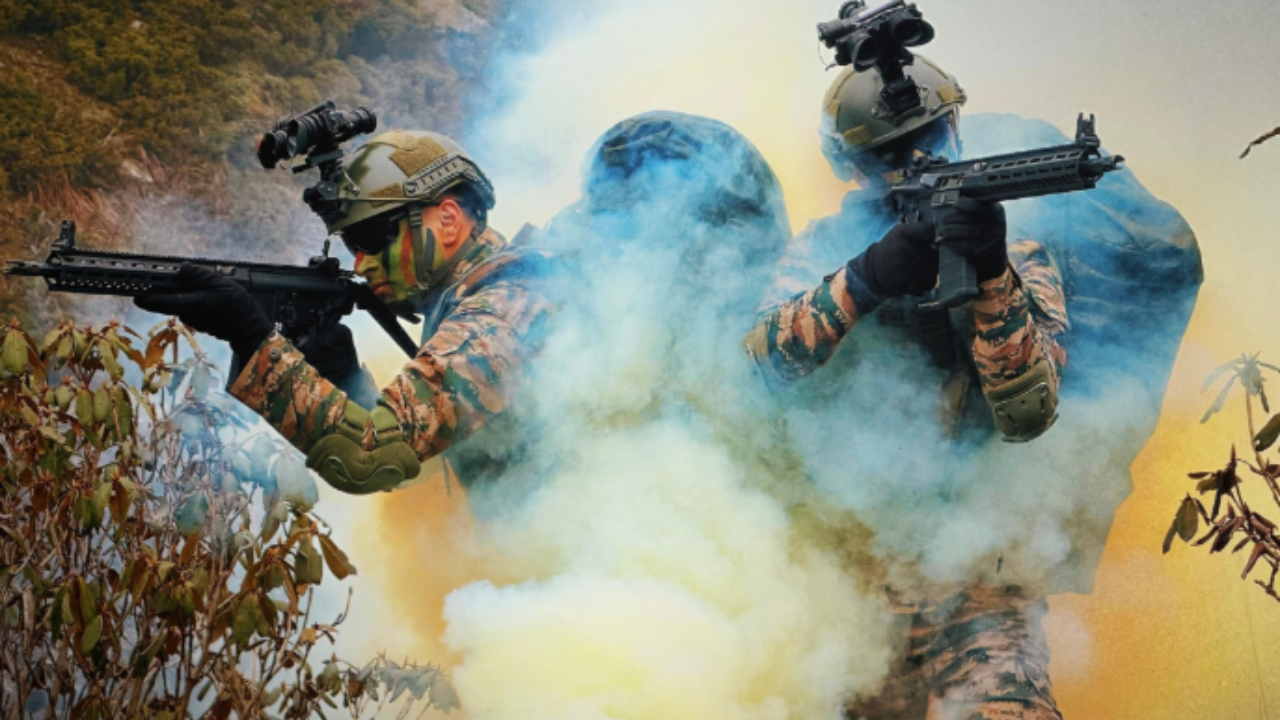
India's armed forces are increasingly integrating artificial intelligence into their operations, recognizing its potential to enhance combat capabilities. The Army has successfully deployed 23 AI applications during Operation Sindoor, achieving a 94% accuracy rate in predicting enemy gun or missile positions along the border. This was made possible by harnessing 26 years of historical data on Pakistani military movements and incorporating real-time feeds for modeling.
These AI tools also provided a comprehensive battlefield picture and post-strike assessments, streamlining the decision-making process known as Observe, Orient, Decide and Act (OODA) loop.
The Indian military's AI implementation is centered around integrating sensors and shooters through a unified interface, enabling faster decision-making and order transmission. This concept is mirrored in the American Project Maven, which aimed to accelerate the targeting cycle by processing vast amounts of data from various sources.
India has established the Defence AI Council and Defence AI Project Agency to guide its AI modernization efforts, anticipating AI to serve as the vital link connecting a multitude of sensors and weapons.
On the frontlines, AI is being embedded into infantry equipment. The Israeli SMARTSHOOTER system, which combines AI, computer vision, and tracking algorithms to target moving subjects with precision, has garnered attention. The US Army has already placed an order worth approximately $10.7 million for a follow-on system. Night vision technology is also being advanced, with systems like the AN/PSQ-42 Enhanced Night Vision Goggle-Binocular now incorporating AI to enhance navigation and friendly-force positioning.
Project Maven, initially a Pentagon initiative focused on automating drone video processing during the fight against ISIS, has been adapted by US Central Command to sift through vast amounts of data in record time during the campaign against Iran. While acknowledging that AI has expedited the targeting process, caution is exercised regarding the trustworthiness of the input data, as adversaries may attempt to manipulate or disrupt these systems.
Therefore, human oversight remains essential in the decision-making process. AI serves as a supplementary tool, enhancing the commander's ability to make informed decisions, but the ultimate accountability remains with human operators.
Written by urgent.news from Times of India's reporting — not their text. Machine-written — may contain errors; check the original before relying on it.