Kenya strengthens local pharmaceutical production for health security
Kenya is strengthening local pharmaceutical manufacturing and regulatory cooperation to expand access to quality health products and build more resilient health systems across Africa. Speaking during the opening of the sixth PharmaReg AfriSummit 2026, Cabinet Secretary for Health Aden Duale outlined Kenya’s measures to reduce dependence on imported health products and strengthen domestic…
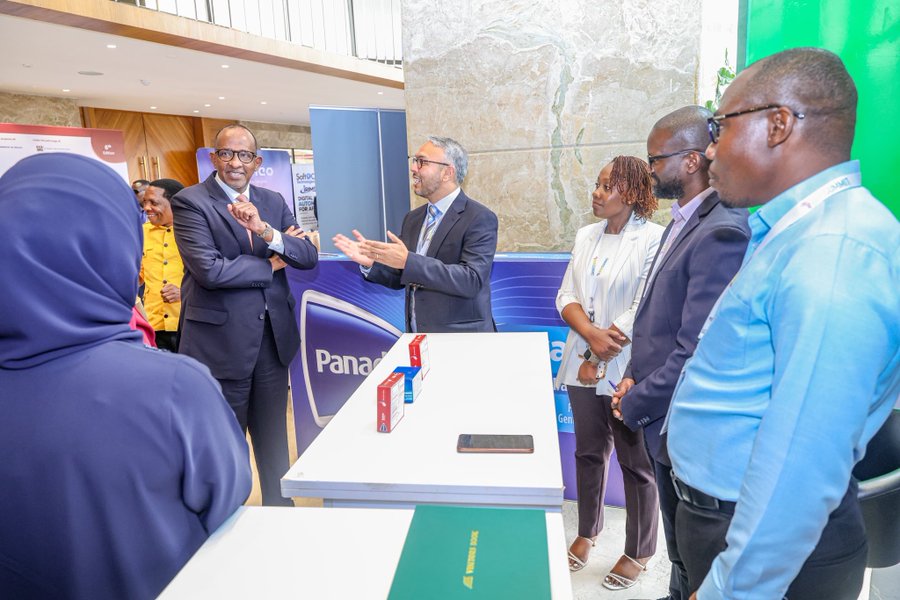
Kenya is bolstering its domestic pharmaceutical industry and regulatory collaboration to enhance access to high-quality health products and foster more robust health systems throughout Africa. At the inauguration of the sixth PharmaReg AfriSummit 2026, Health Cabinet Secretary Aden Duale announced Kenya's strategies to minimize reliance on imported medical supplies and bolster local production.
Africa consumes over 70% of its health products from overseas, while roughly 85% of the continent's pharmaceutical manufacturing facilities are located in eight nations. Duale emphasized Kenya's objective to achieve 50% local production of essential health goods via the 2026–2030 Health Products and Technologies Local Manufacturing Strategy.
He revealed that thirteen new pharmaceutical enterprises have begun operations, with several already producing for international markets. The Pharmacy and Poisons Board is also upgrading market surveillance and propelling Kenya's regulatory framework towards WHO Maturity Level 3. Addressing the issue of substandard, falsified, and non-compliant products, more than 2,200 such items have been removed from circulation.
The five-day summit, themed "Building the Bridge of Health," has brought together more than 450 health professionals, regulators, industry stakeholders, and partners from Africa and abroad to advance pharmaceutical regulation, local manufacturing, and Universal Health Coverage.
Written by urgent.news from KBC's reporting — not their text. Machine-written — may contain errors; check the original before relying on it.