Japanese Yen nudges lower despite a hawkish BoJ, intervention warnings
The Japanese Yen (JPY) is trimming gains from Friday’s rebound against the US Dollar (USD) on Monday.
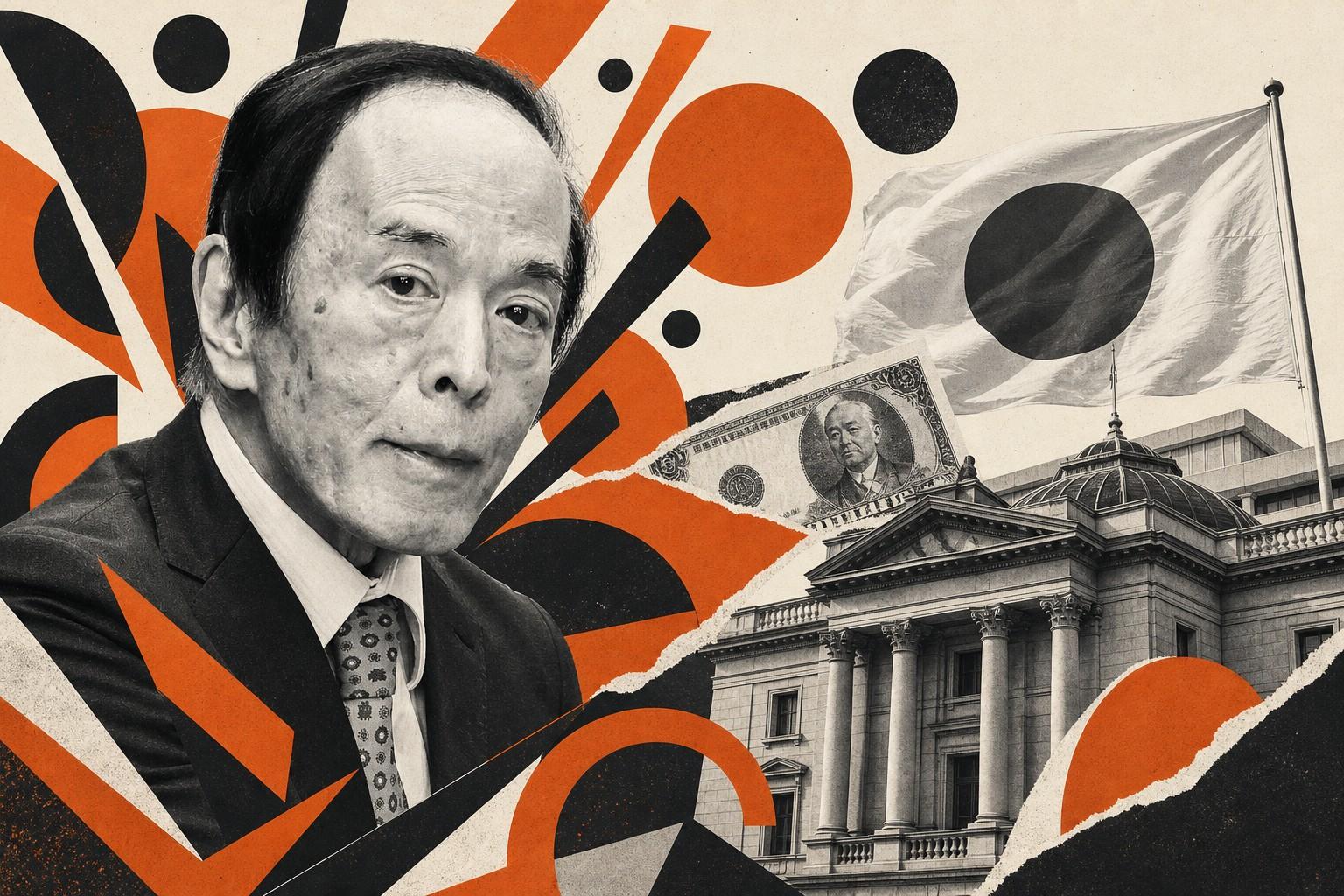
The Japanese Yen has slipped lower despite the Bank of Japan's hawkish stance, as intervention warnings from both the US and Japan failed to deter Yen sellers. Minutes from the BoJ's monetary policy meeting signaled some policymakers wanted quicker interest rate hikes in September, amid rising inflation concerns. However, doubts emerged over the scope of tightening, as two BoJ officials voted to hold the interest rate steady, despite a 25 basis point increase to a 31-year high of 1.25%.
The Yen has lost over 1.5% against the US Dollar since then. Japanese Finance Minister Satsuki Katayama's assurance that US President Donald Trump had raised Yen concerns in a summit with Prime Minister Sanae Takaichi did little to bolster the currency. The fundamental backdrop remains supportive for the US Dollar, with strong US data and inflation pressures pushing US Treasury yields to multi-decade highs and nearly guaranteeing another Fed rate hike.
Investors will be closely monitoring US macroeconomic data, particularly the Personal Consumption Expenditures Price Index on Wednesday and September's Nonfarm Payrolls report on Friday. The BoJ directly intervenes in currency markets, usually to weaken the Yen, but usually avoids it due to political sensitivities with key trading partners.
The ultra-loose monetary policy from 2013 to 2024 helped the Yen depreciate against other currencies, but recent policy tightening has provided some support. The BoJ's gradual exit from ultra-loose policy, paired with interest rate cuts elsewhere, has narrowed the yield differential between US and Japanese bonds, favoring the US Dollar. The Yen is often viewed as a safe-haven investment, gaining value during market turbulence.
Written by urgent.news from FXStreet's reporting — not their text. Machine-written — may contain errors; check the original before relying on it.