Inflation: Ökonomen erwarten für September höchsten Preisanstieg seit 2023
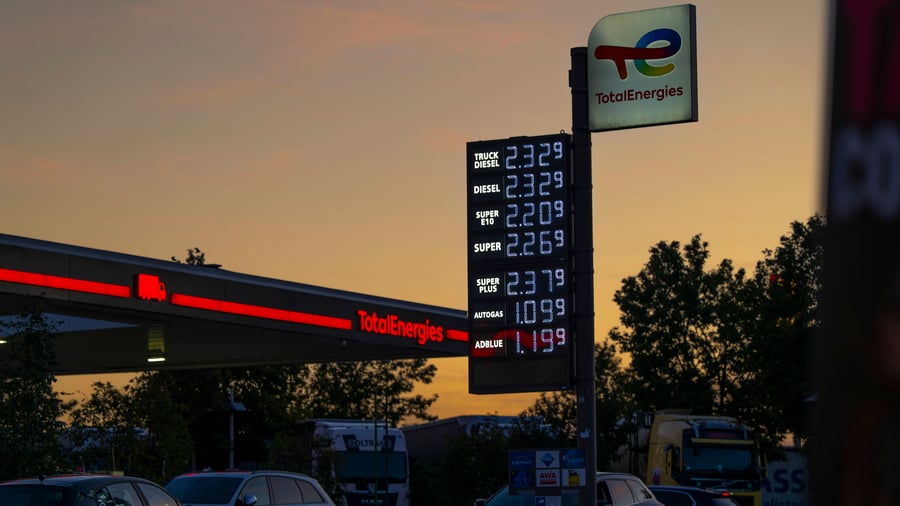
Zuletzt lagen die Ölpreise zeitweise deutlich über der Marke von 100 Dollar. Die entsprechend hohen Spritpreise dürften nun die Teuerungsrate über die Drei-Prozent-Hürde getrieben haben.
The Reserve Bank of Australia (RBA) is widely anticipated to increase interest rates by 25 basis points at their meeting on September 29, according to forecasts from Investing.com. This hike, bringing the central bank rate to 4.60%, marks the fourth consecutive 25 basis point increase this year and would set the rate at its highest level in 15 years. The market's confidence in this decision is reflected in ASX 30-day interbank cash rate futures, which indicate a 90% probability of this move occurring.
The primary driver behind these expectations is the growing concern over Australia's inflation, which has proven significantly more persistent than initially anticipated. Inflation rates have surged throughout the past year, primarily due to a sharp rise in demand outpacing supply. This situation has been exacerbated by the escalation of the conflict between the U.S. and Iran, causing oil and gas prices to skyrocket.
The increased energy costs have rippled through various sectors, contributing to elevated inflation figures.
Recent Consumer Price Index (CPI) data, due to be released later this week, is anticipated to show a CPI increase to 4.1%, while core CPI is expected to remain well above the RBA's target range of 2%-3%. The ongoing Middle East conflict and the RBA's inclination to attribute greater inflationary pressure to energy price increases rather than growth factors further bolster the case for two rate hikes in September and November. Analysts from ANZ suggest that these consecutive hikes are more probable than a single increase.
RBA Governor Michele Bullock has warned that Australia's inflation is likely to persist in the coming months, hinting at the need for continued high rates and a higher-than-expected unemployment rate to curb runaway prices. Assistant Governor Sarah Hunter has echoed this sentiment, emphasizing the potential impact of higher rates on the economy.
Consequently, Australian stocks have been negatively impacted by the prospect of higher local rates, with sectors such as technology and mining particularly vulnerable due to the adverse effects of rising interest rates on investment appetite.
The Australian dollar has seen a 5.2% increase in 2026 thus far, as the RBA begins to raise rates, leading to a near four-year high for the AUD/USD exchange rate. Anticipated further hawkish statements from the RBA are likely to further strengthen the Australian dollar. These rate hikes have also brought the Australian dollar to a four-year high.
Written by urgent.news from Investing.com's reporting — not their text. Machine-written — may contain errors; check the original before relying on it.
This story
This is one outlet's version. Read the fullest account.