India’s bid to keep carbon cash home as Europe adds a new trade cost
India's exporters will encounter new carbon costs due to the European Union's Carbon Border Adjustment Mechanism. The mechanism, effective from January 2026, targets carbon-intensive goods and imposes a cost on emissions. India's heavy reliance on carbon-intensive industries like steel and aluminium raises significant challenges in maintaining export competitiveness. The country is establishing a…
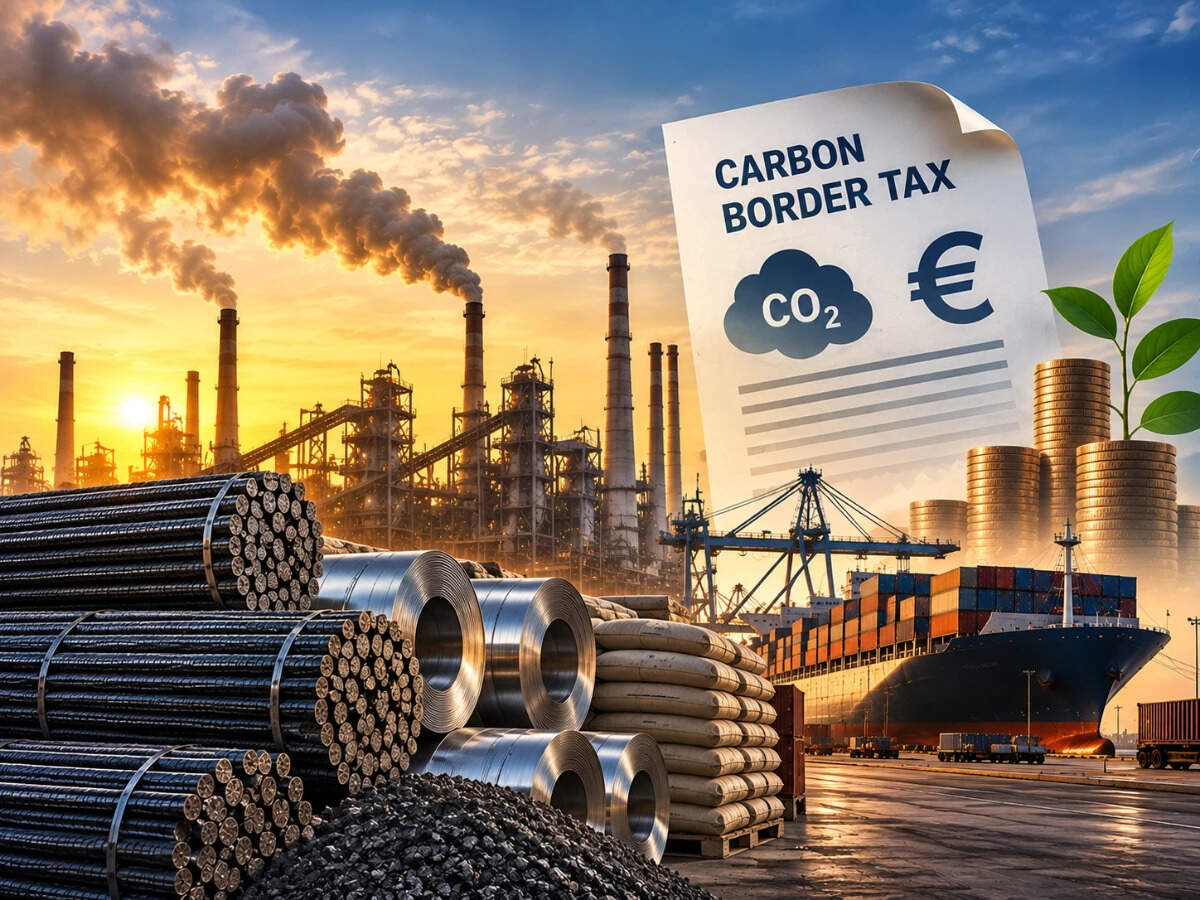
India is working to keep its carbon revenues at home as the European Union introduces a new trade cost called the Carbon Border Adjustment Mechanism (CBAM), set to begin in January 2026. The CBAM imposes a carbon cost on imports into the EU, requiring importers to pay for embedded emissions in select carbon-intensive goods. Indian exporters, particularly in the metals sector, are concerned about the impact of CBAM on their competitiveness and margins.
The EU currently covers six sectors under CBAM: iron and steel, aluminium, cement, fertilisers, electricity, and hydrogen. Metals, especially iron and steel, make up a significant portion of India's exports, with the EU accounting for about 22% of these exports. India's Carbon Credit Trading Scheme (CCTS) has been recognized by the UK, allowing qualifying carbon payments to be considered under the UK's CBAM as well.
India is taking steps to address the CBAM challenge by creating a Committee on Export Preparedness for EU CBAM and aligning plant auditing protocols with the EU's carbon registry. However, India's carbon price is expected to remain lower than the EU's, and rapid decarbonisation will be crucial to reducing the carbon bill. The country is also working on a domestic carbon market to ensure that carbon-related revenue benefits its manufacturing exports.
Written by urgent.news from The Economic Times - Economy's reporting — not their text. Machine-written — may contain errors; check the original before relying on it.