India rape cases turn focus back onto women's safety
A string of rape cases in India has reignited debate over women's safety and raised questions about why sweeping legal reforms and tougher punishments have failed to curb sexual violence.
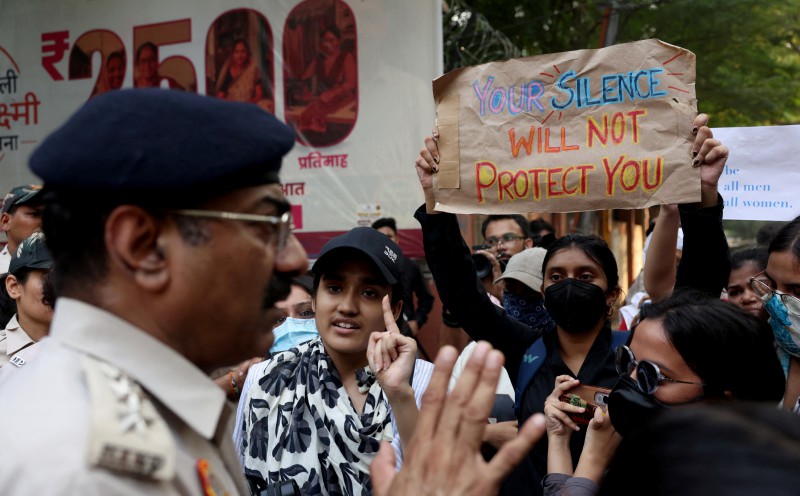
A series of rape cases in India has reignited discussions about women's safety and questioned whether recent legal reforms and harsher punishments have been effective in reducing sexual violence. Hundreds of students protested in New Delhi last week, demanding stronger safety measures after a recent high-profile case. In the incident on Monday, three men posing as police officers allegedly gang-raped a 17-year-old girl in a city park.
This case reminds people of the 2012 gang rape and murder of a 23-year-old physical therapy student on a bus, which sparked nationwide protests and led to more stringent laws against sexual violence. However, campaigners argue that these changes, including a broader definition of sexual offenses and tougher penalties for rape, have not been sufficient.
Women's rights activist Yogita Bhayana told AFP that the root problem lies in the mentality that women are responsible for being out late or that men police women when they are seen with another man. India recorded an average of 80 rape cases per day in 2024, compared to around 68 per day in 2012, prior to the stricter laws. However, experts believe the actual number of sexual assaults is likely much higher due to victims' reluctance to report incidents, often out of fear of stigma in a deeply patriarchal society.
Multiple rape and murder cases have occurred in recent weeks in Delhi, often dubbed the rape capital of India. Each case has led to arrests, political condemnation, and public outrage. The 2012 case, known as the "Nirbhaya" case, prompted the government to broaden criminal definitions and introduce a minimum 20-year prison sentence for gang rape and the death penalty for repeat offenders.
Lawyers and activists say the challenge lies in enforcement, with overstretched police and courts unable to investigate cases thoroughly enough. The actual conviction rate for rape has remained relatively stable since 2012, at around 25% of cases that reach trial. Criminal justice system struggles with a massive backlog, with less than 10% of over 200,000 rape cases in 2024 actually completed.
An average rape case takes seven to eight years, and if it goes to the Supreme Court, it can take up to 20 years, undermining victims' hope. Gender rights activist Poonam Muttreja argues that legal reforms alone cannot solve the problem, which is rooted in deep-seated cultural taboos and political resistance. Prevention must begin much earlier, in homes, schools, communities, digital spaces, and police systems.
Written by urgent.news from New Straits Times's reporting — not their text. Machine-written — may contain errors; check the original before relying on it.