HUMAN-WILDLIFE COMPACT: Truce between lions and farmers claws back hope in Botswana’s Okavango Delta
It’s rare for farmers and ecologists to get excited over the same thing. Initiatives in Botswana might be a sign that they’ve found a better way.
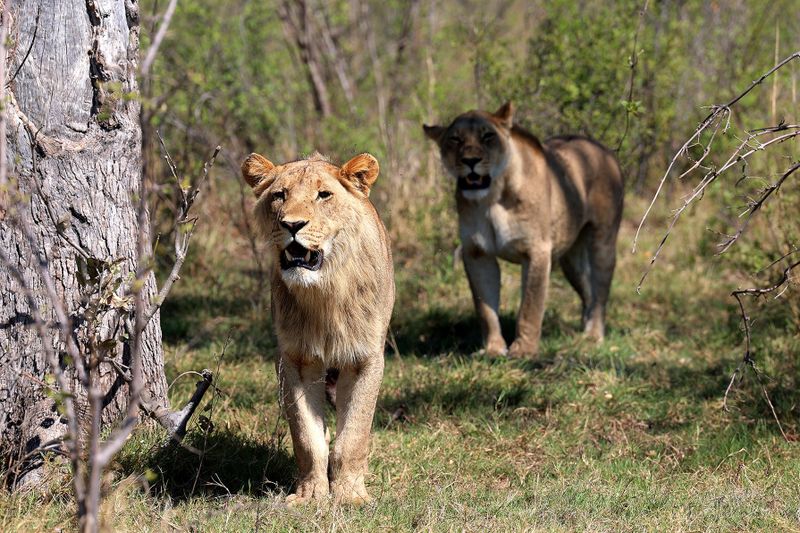
In a remarkable development in Botswana's Okavango Delta, a truce between lions and farmers appears to be fostering hope for conservation and rural livelihoods. It is a rare moment when farmers and ecologists unite over a common goal. Mid-morning on the outskirts of Gunutsoga Village, Kutlwano Teko and herders gathered to release their cattle from a canvas-lined enclosure, signaling progress.
The herders, once on the verge of losing half their livestock to lions, have embraced a new system to protect their animals. Kutlwano, a farmer, explained that the change came after decades of severe retaliation against lions, resulting in a significant decline in their population. The situation was dire for conservationists, but the farmers felt that little could change due to the challenges posed by wetland grazing, predators, and disease.
Located in one of the world's largest inland wetlands, the Okavango Delta spans 16,000 square kilometers, yet the region still faced challenges that had spread to nearby villages. Conservationist Vince Shacks noticed mass vulture deaths related to poisoned carcasses and approached Dr. Andrew Stein, a big cat specialist, to address the problem.
Together, they developed a unique approach that combines technology, traditional practices, and compassion. They fitted lions with tracking devices, creating virtual fencing that alerted herders via mobile app when lions were nearby. Additionally, the team conducted naming ceremonies for the lions, fostering a connection between the locals and the animals. This shift in mindset helped farmers see the lions not as threats but as part of the ecosystem they share.
Since the program's inception in 2019, 380 farmers have participated, resulting in over 70,000 lion alerts. The herding program has also introduced new cattle management practices, including grazing committees and land restoration techniques. With just three confirmed lion killings in four years, the lion population has grown from 40 to over 100.
While winning over farmers has been a slow process, Kutlwano acknowledges that most initially turned down the herding initiative. However, as the benefits became apparent, more and more farmers have embraced the new approach. The success of this innovative solution may offer a glimmer of hope for other regions grappling with human-wildlife conflicts.
Written by urgent.news from Daily Maverick's reporting — not their text. Machine-written — may contain errors; check the original before relying on it.