How to maintain the newfound stability of Pakistan's textile industry?
https://www.dawn.com/news/2033094
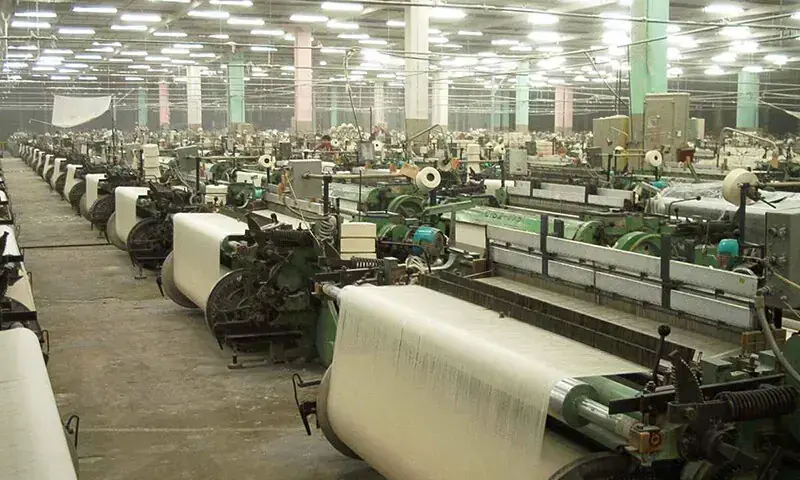
The Pakistani textile industry requires cautious optimism rather than a simple label of revival. While it is crucial and large, structural weaknesses limit the impact of temporary improvements in figures. Nevertheless, recent data points to movement from contraction towards potential stabilization, with some segments experiencing renewed growth.
Exports have held steady despite challenges related to production, energy costs, financing, and competitiveness. Readymade garment exports rose 3.87% in FY26, and cotton yarn exports increased 12.4%. July-August 2026 saw a 5.55% rise in textile and clothing exports to $3.38bn, with readymade garments up 13.59% to $827m and knitwear up 4.79% to $1.004bn.
The numbers reflect a stronger demand for value-added and competitive products, rather than broad-based expansion across the entire industry. Textile production, however, declined slightly by 0.03%, while garments manufacturing expanded by 22%.
Manufacturing data also shows stabilization, with large-scale manufacturing expanding 4.98% overall in FY26. Key sub-sectors like wearing apparel and cotton yarn registered growth, while overall textile manufacturing declined. This suggests that downstream garment manufacturing is showing more momentum than the traditional textile chain.
Cotton arrivals at ginning factories have risen 19.17% year-on-year, with Punjab's cotton arrivals up by 24.73%. Industry representatives suggest production could exceed 6m bales if conditions continue favorably. However, cotton production has fallen sharply, and the industry remains dependent on imported fibre. This exposes mills to international prices and freight costs, limiting competitiveness.
The government's draft Textile and Apparel Policy 2025-30 aims to raise textile and apparel exports to $29.381bn by FY30, focusing on value-added products, productivity, investment, sustainability, and diversification. Diversification is becoming necessary due to shifting global fibre consumption towards man-made fibres.
Written by urgent.news from Dawn Business's reporting — not their text. Machine-written — may contain errors; check the original before relying on it.