How Menopause Symptoms Could Predict Alzheimer’s Risk
It may explain why women develop the disease more than men The post How Menopause Symptoms Could Predict Alzheimer’s Risk appeared first on Nautilus .
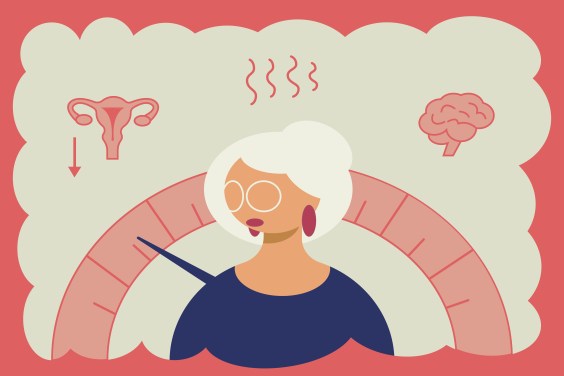
The majority of individuals who develop Alzheimer's disease are women, accounting for two-thirds of all Alzheimer's patients. While longer lifespans may partially explain this discrepancy, menopause, a phenomenon men do not experience, could play a significant role. During menopause, hormone levels change dramatically, with estrogen decreasing and follicle-stimulating hormone increasing.
These hormonal shifts lead to physical symptoms like hot flashes and night sweats, as well as cognitive effects such as difficulty finding the right word or maintaining focus.
A new study published in Nature Medicine examines the potential link between menopause and Alzheimer's risk by analyzing blood biomarkers. Researchers recruited 80 women in their 40s and 50s, determining where they were in the menopausal transition based on symptoms and hormone levels. They then measured blood biomarkers and found that 16 molecules were associated with menopausal changes. These molecules were more strongly linked to hormonal fluctuations than the women's ages, suggesting a direct connection to menopause.
The study uncovered that during menopause, inflammation pathways rose as estrogen levels fell, coinciding with a general increase in postmenopausal inflammation. Simultaneously, follicle-stimulating hormone levels surged, causing other proteins involved in synaptic function to also climb. These proteins serve as biomarkers for Alzheimer's disease.
Women with the highest levels of these proteins exhibited poorer memory and a 15% higher risk of developing Alzheimer's disease later in life. Furthermore, vasomotor symptoms like night sweats were associated with increased inflammatory proteins, and older women who experienced hot flashes had higher protein levels much later in life, suggesting a lingering effect.
While the findings may not directly explain the cause of Alzheimer's, they could pave the way for future blood tests to predict women's risk for dementia decades later, potentially offering an early warning system. Study author Kaitlin Casaletto emphasized the importance of menopause as a critical window for brain health, emphasizing that women could potentially set themselves up for resilience or vulnerability to dementia in later life.
Written by urgent.news from Nautilus's reporting — not their text. Machine-written — may contain errors; check the original before relying on it.