Global Market Today: Asian shares subdued as rising oil fuels rate hike concerns
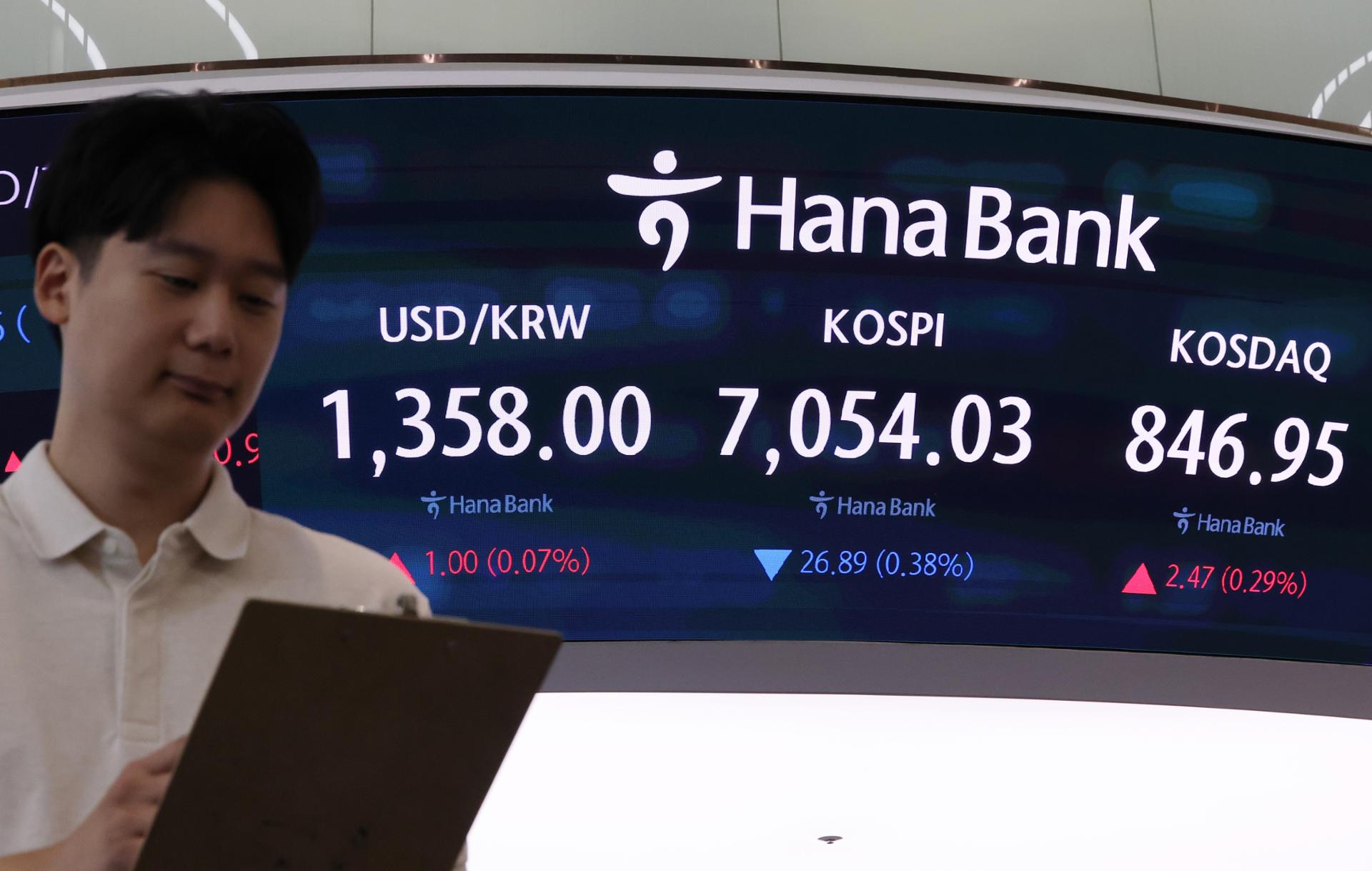
MSCI’s gauge of Asian stocks opened slightly lower with South Korea’s benchmark slipping as markets returned from a holiday, while Japanese stocks edged higher. Futures for the S&P 500 Index fell around 0.2%.
Asian stock markets remained relatively subdued on Thursday as oil prices rose, exacerbating concerns about potential rate hikes. The conflict between Iran and the US intensified, with President Donald Trump rejecting Iran's proposal to reopen the Strait of Hormuz, sparking fears of further Middle East tensions. Brent crude prices climbed by 1.5% to approximately $105.90 per barrel, contributing to inflation worries and boosting 10-year Treasury yields by 4 basis points to 5.20% in Asian trading.
The US dollar gained strength against most major currencies, while the yen weakened. MSCI's index of Asian stocks opened marginally lower, with South Korea's benchmark falling and Japanese stocks slightly rising. Futures for the S&P 500 Index decreased by around 0.2%. Gold experienced a minor decline of 0.5% to approximately $4,260 per ounce, reflecting inflation concerns fueled by oil's upward momentum.
The British pound weakened against the dollar as UK authorities probed a potential terrorism incident involving five men arrested near an air base used in US strikes against Iran. Trump alleged that the suspects aimed to cause significant damage to the facility. Oil continues to be a major catalyst for market movements, as rising energy costs intensify inflation and heighten expectations of additional interest rate hikes.
In recent weeks, the average yield on global bond gauge surpassed 4% for the first time since 2007, raising apprehensions about higher borrowing costs potentially impacting the economy and corporate earnings. Analysts anticipate geopolitical developments from the past weekend will maintain market volatility. Nick Twidale, chief market analyst at AT Global Markets, noted that geopolitical tensions could keep markets volatile.
Iran maintained its proposal to reopen the strategically important Strait of Hormuz within a week, refusing to alter its terms. Trump expressed confidence in resuming negotiations this week, even though he rejected Iran's latest offer. Reports suggest he is considering a potential ban on diesel exports. Several Federal Reserve officials have emphasized persistent economic growth and robust employment figures as reasons for further monetary tightening.
Cleveland Fed President Beth Hammack highlighted these factors, along with concerns over government debt, as contributing to the rise in long-term Treasury yields. Market participants are pricing in at least one more 25 basis-point rate hike before the end of the year. Treasury Secretary Scott Bessent adopted a more cautious stance, urging policymakers to remain open to adjusting rates, given potential inflation-lowering effects from artificial intelligence-driven productivity gains and regulatory reforms.
The market's volatility could persist this week, with the Fed's preferred inflation gauge and US jobs data playing a crucial role in shaping expectations for additional interest rate hikes this year, following the central bank's first increase since 2023 earlier this month.
Written by urgent.news from The Economic Times - Top News's reporting — not their text. Machine-written — may contain errors; check the original before relying on it.