From Nepal to India, how AI is improving disaster management
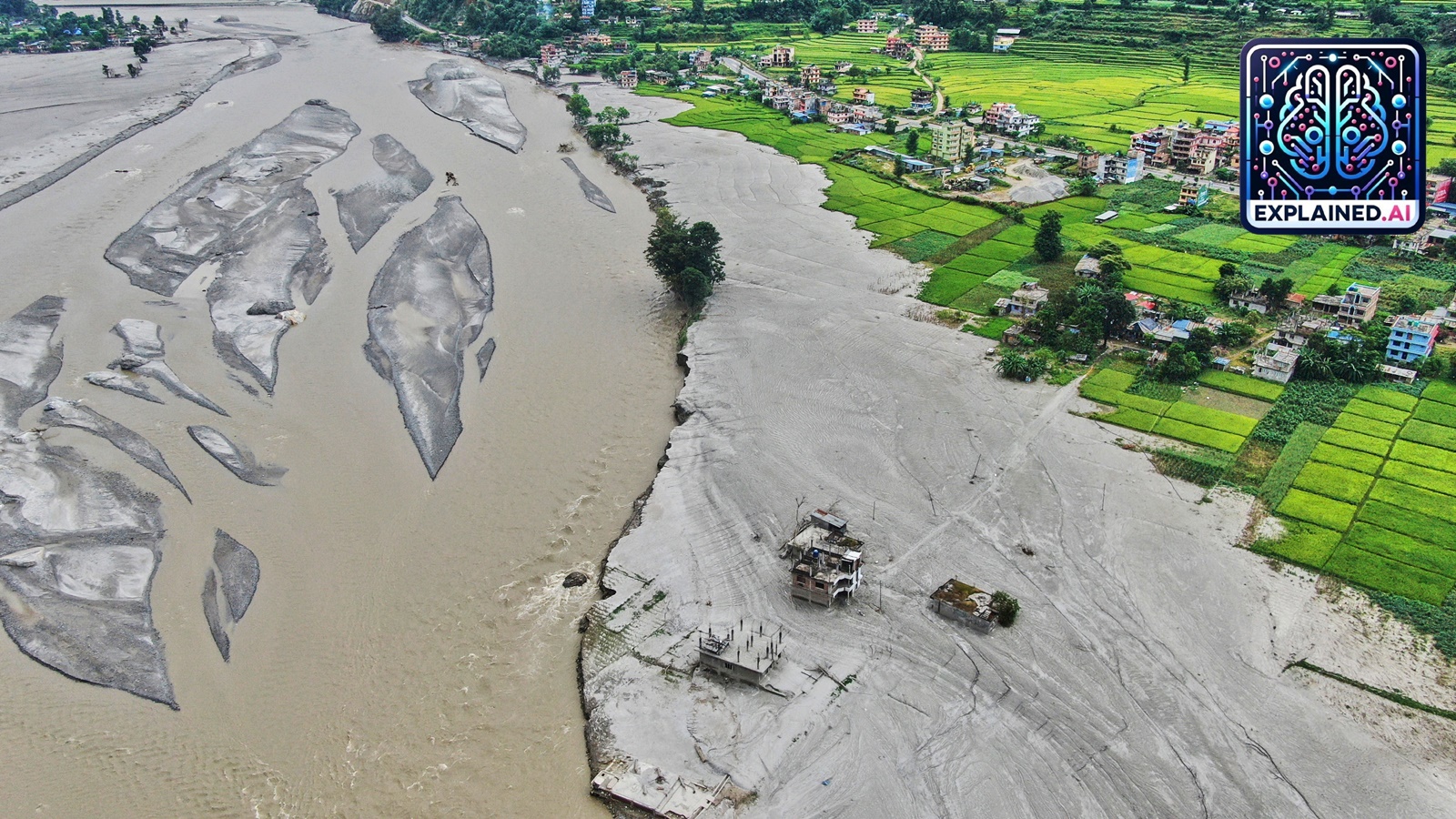
Nepal experienced a recent disaster that saw the widespread use of an AI-powered web portal. Developed by IT engineer Niraj Bhushal, the tool matched crowdsourced data on missing persons with official casualty lists and mapped damaged structures using satellite imagery. Meanwhile, private drone operator Manish Maharjan utilized drones with thermal cameras to detect human shapes and guide rescue teams to trapped individuals.
Despite the scale of the disaster, these AI-driven efforts demonstrate the increasing utility of new technology in disaster management.
In today's interconnected world, disaster preparedness and management extend beyond designated authorities. Companies like Google, telecom providers, and satellite firms have joined the effort. Smartphones and drones serve as force multipliers, generating vast amounts of data. AI's ability to process large volumes of data in real-time, including natural language, speech, and video, has proven invaluable in disaster scenarios where time is critical.
Numerous AI-enabled tools have emerged, such as GraphCast, DisasterAWARE, Google's Flood Hub, and SKAI, offering services like early warning, hazard mapping, and satellite imagery. These tools integrate into various stages of disaster management, from preparedness and early warning to response, rescue, and recovery.
AI is particularly effective in generating timely forecasts and early warnings. While weather forecasting is inherently uncertain, AI models trained on extensive weather data can produce hyperlocal forecasts at a faster rate than traditional methods. Google's Flood Hub, for example, combines data from global weather agencies and predicts flooding events up to seven days in advance, aiding in risk assessment.
In the response and rescue phase, AI complements human efforts. Drones provide visual data from various angles, countering the common issue of misinformation prevalent after disasters. AI tools excel at processing unstructured data from numerous sources, efficiently extracting critical information. Post-disaster, AI-assisted tools can locate disrupted habitats, assess road conditions, and identify suitable landing sites for helicopters. They also aid local governments in prioritizing the distribution of essential aid.
However, the success of AI-driven disaster management relies on the expertise and dedication of humans, including scientists and humanitarian workers. While AI introduces new capabilities, it also demands new responsibilities. The ultimate measure of AI's success is not its technological sophistication but its impact on saving lives and enhancing resilience.
Written by urgent.news from The Indian Express's reporting — not their text. Machine-written — may contain errors; check the original before relying on it.