Frogs Wear Bacterial Armor to Defend Against Fungus
It gives them a leg up in survival The post Frogs Wear Bacterial Armor to Defend Against Fungus appeared first on Nautilus .
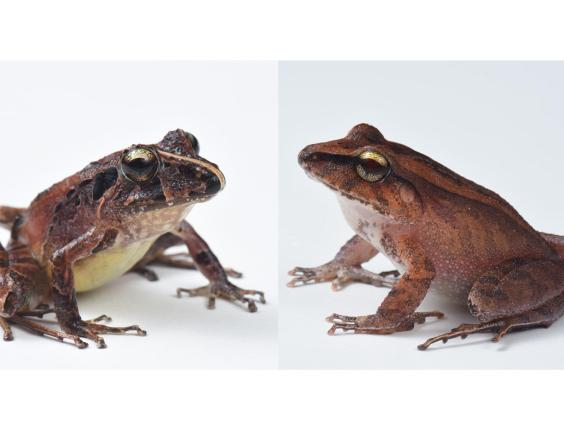
Frogs possess a unique bacterial armor that shields them from a deadly fungus, according to a study published in the journal Animal Microbiome. The chytrid fungus (Batrachochytrium dendrobatidis or Bd) has caused the extinction of many amphibian species worldwide. However, some frog species, such as the clay robber frog (Haddadus binotatus), are resistant to the fungus, while others like Hensel’s big-headed frog (Ischnocnema henselii) are highly susceptible.
In the study, researchers compared the behavior of both species in the presence of the fungus, with or without antibiotic baths. The clay robber frogs fared well when exposed to the fungus but suffered when antibiotic treatments were administered first. In contrast, Hensel’s big-headed frogs did poorly regardless of antibiotic treatments.
Further investigation revealed that the unique bacteriome (bacterial skin microbiome) of the clay robber frog, but not the Hensel’s big-headed frog, acts as protection against the Bd fungus. The study provides experimental evidence supporting the importance of the microbiome in defense against this disease. The researchers were able to extract and culture about 700 bacterial strains from the frogs' skin, growing each one and exposing it to the fungus.
They then sequenced the DNA and mapped it to create a reference database, serving as an armory of defense against the Bd fungus.
Written by urgent.news from Nautilus's reporting — not their text. Machine-written — may contain errors; check the original before relying on it.