False claims about Aboriginal rock art and aliens were once fringe. Researchers fear AI could push them mainstream
Archeologists warn AI summaries can repeat false claims about 12,000-year-old rock art from Western Australia’s Kimberley region being painted by aliens Warning: This article contains historical records that use racist and offensive language, and descriptions of events that will be distressing to some readers Traditional owner Warren Barunga says he is angry that people are misusing his people’s…
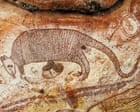
Archeologists warn that artificial intelligence summaries of popular, fringe narratives about Aboriginal rock art could one day push those falsehoods into mainstream discourse. The ancient Gwion Gwion and Wandjina figures from Western Australia’s Kimberley region have long been used in claims the paintings were painted by aliens or vanished civilizations.
Traditional owner Warren Barunga expresses his anger at the misuse of his people's sacred rock paintings, stating that they are "the first people, our ancestors. They were here; we are the children that belong to them". Despite this, the myth that these figures were painted by a pre-Aboriginal group has persisted since the 19th century and has resurfaced in recent years, fueled by social media and amplified by AI summaries that propagate those false narratives.
The researchers behind a recent study in Australian Archaeology are concerned that AI could further spread these misleading claims, potentially impacting how the past is presented to the general public.
Written by urgent.news from The Guardian Australia's reporting — not their text. Machine-written — may contain errors; check the original before relying on it.