Establish a gas market for boosting exports
A functioning gas market would reward exploration at home and buy LNG abroad when its full delivered cost is competitive. Pakistan currently does neither. Pakistan’s gas debate is usually presented as a choice between indigenous gas and imported LNG. That framing hides the real problem: Pakistan does not yet have a market capable of telling either source where it is economical, where it is…
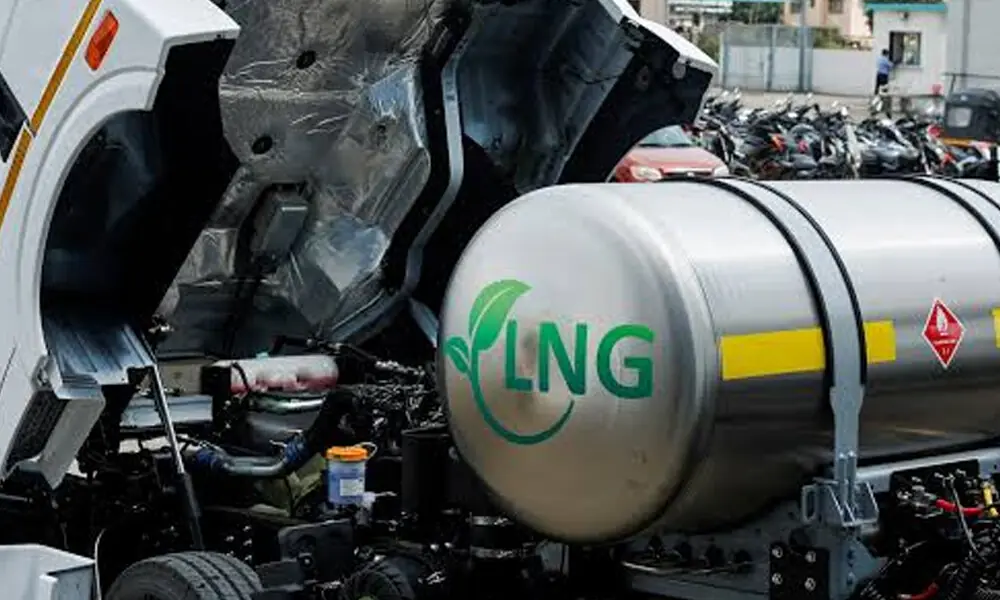
Pakistan's gas market requires reform to foster exploration and export growth. The current debate pits indigenous gas against imported LNG, but both should compete on merit. The country lacks a functioning market to determine economic, reliable, and competitive pricing. Local producers need to sell directly to creditworthy buyers at transparent market-linked prices, while LNG should enter through an open network when its delivered cost is competitive.
The cheapest, most reliable gas should win, and any hindrances, such as subsidies or bottlenecks, should be treated as economic costs. Pakistan's gas policy still views molecules as allocation instruments rather than commodities in a disciplined market. Gas is administratively assigned, transported by utilities that also trade it, and priced through layers of cross-subsidy.
Producers wait for allocations and payments, LNG suppliers wait for pipeline access, and consumers wait for gas. This creates circular debt. Exploration and LNG policies cannot succeed independently as they both depend on the missing institution of a functioning gas market. The policy debate should focus on market design that reveals each source's true cost, attracts capital, and allows exit when it cannot compete.
Recent exploration data shows a decline in indigenous reserves and no significant discoveries, indicating a market that has stopped transmitting investable signals. Weak incentives, delayed decisions, payment risk, constrained marketing freedom, and downstream issues have turned exploration risk into policy risk. Investors need bankable routes from the wellhead to paying customers for exploration to be viable.
The recent offshore round shows promise but should be realistic – bids covered 23 blocks with potential investments ranging from US$80 million to US$1 billion. However, serious drilling still requires a route to a solvent market. Pakistan has succeeded before in this area. During the early 1990s, producer-pricing reforms replaced discretionary, rate-of-return thinking with compensation linked to international energy values.
This shift, along with clearer block awards and greater marketing freedom, attracted foreign and local capital, technology, and management expertise, boosting national gas production from about 1,800 mmcfd to around 4,000 mmcfd. The evidence shows that geology responds to institutions; when investors see credible economic terms, rules are implemented, and the route to market is clear, capital follows.
A new upstream policy should offer more than higher administered prices. Incremental, tight, and marginal gas should have the right to be marketed directly to eligible buyers with transparent negotiation rules. Producers should receive enforceable payment security and timely foreign-exchange convertibility. Exploration blocks should be awarded competitively, data accessible, and approvals time-bound, with contract sanctity treated as an investment requirement.
Importantly, imported LNG must compete, not dominate. While indigenous fields decline and discoveries arrive unevenly, domestic demand requires reliability. LNG can diversify supply, cover seasonal shortages, and provide valuable flexibility. Pakistan's two regasification terminals, with about 1,200 mmcfd capacity, should serve private suppliers and large consumers directly, not be confined to a single state allocation chain.
However, LNG must pass an honest competitiveness test, ensuring fair comparison with domestic sources.
Written by urgent.news from Business Recorder's reporting — not their text. Machine-written — may contain errors; check the original before relying on it.