El Nino may turn 'very strong' by late 2026: IRI; experts see elevated risk for India
The El Nino weather pattern is expected to strengthen significantly in late 2026 and early 2027. This development raises concerns over increased climate risks for India, particularly regarding monsoon rainfall. The Indian Ocean Dipole is also predicted to become positively strong during this period, which may influence weather patterns. Predictions indicate a 100 percent probability of El Nino…
The International Research Institute for Climate and Society (IRI) at Columbia University predicts that the El Nino weather pattern will likely become very strong between late 2026 and early 2027, according to their latest ENSO forecast released on September 21. The Nino 3.4 index, a critical measure of Pacific Ocean temperatures, reached +3.0 degrees Celsius in mid-September.
Out of the 22 models surveyed, 13 were dynamical and 9 were statistical, all forecasting very strong El Nino conditions throughout the 2026-27 winter season. The IRI assigns a 100 percent probability of El Nino persisting through February 2027, with the probability dropping to 61 percent by mid-2027, potentially ranking among the strongest on record.
Additionally, the IRI anticipates the Indian Ocean Dipole (IOD) to become strongly positive from September through December 2026 before returning to neutral levels in early 2027. A positive IOD often coincides with El Nino, although the two phenomena can emerge independently. For India, El Nino is generally linked to reduced monsoon rainfall and potential adverse effects on crop yields.
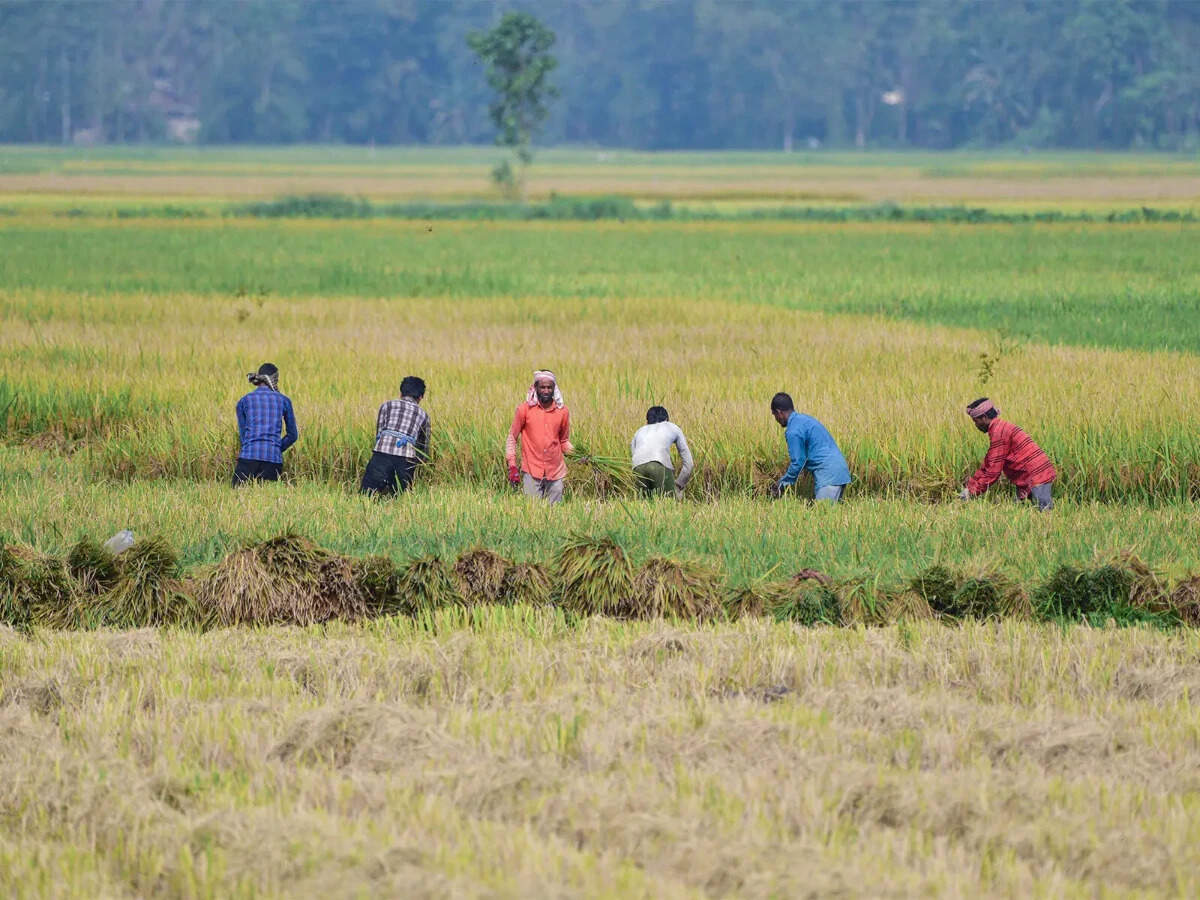
However, the IOD may sometimes mitigate these impacts. Experts emphasize that the IRI forecast highlights the elevated climate risk for India, but the forecast alone does not offer precise rainfall or agricultural output predictions. El Nino represents a natural climatic event characterized by abnormally warm ocean temperatures across a vast portion of the Pacific.
In India, El Nino can sometimes translate into diminished monsoon rains, warmer and drier winters, and heightened challenges for crops and water resources.
Written by urgent.news from The Economic Times - Economy's reporting — not their text. Machine-written — may contain errors; check the original before relying on it.