East Germans who experienced repression during the GDR show higher distress and systemic inflammation, study finds
Citizens of former East Germany who faced surveillance and harassment still show higher psychological distress and systemic inflammation decades later. A new study reveals how "soft" authoritarian repression leaves a lasting physical and mental mark.
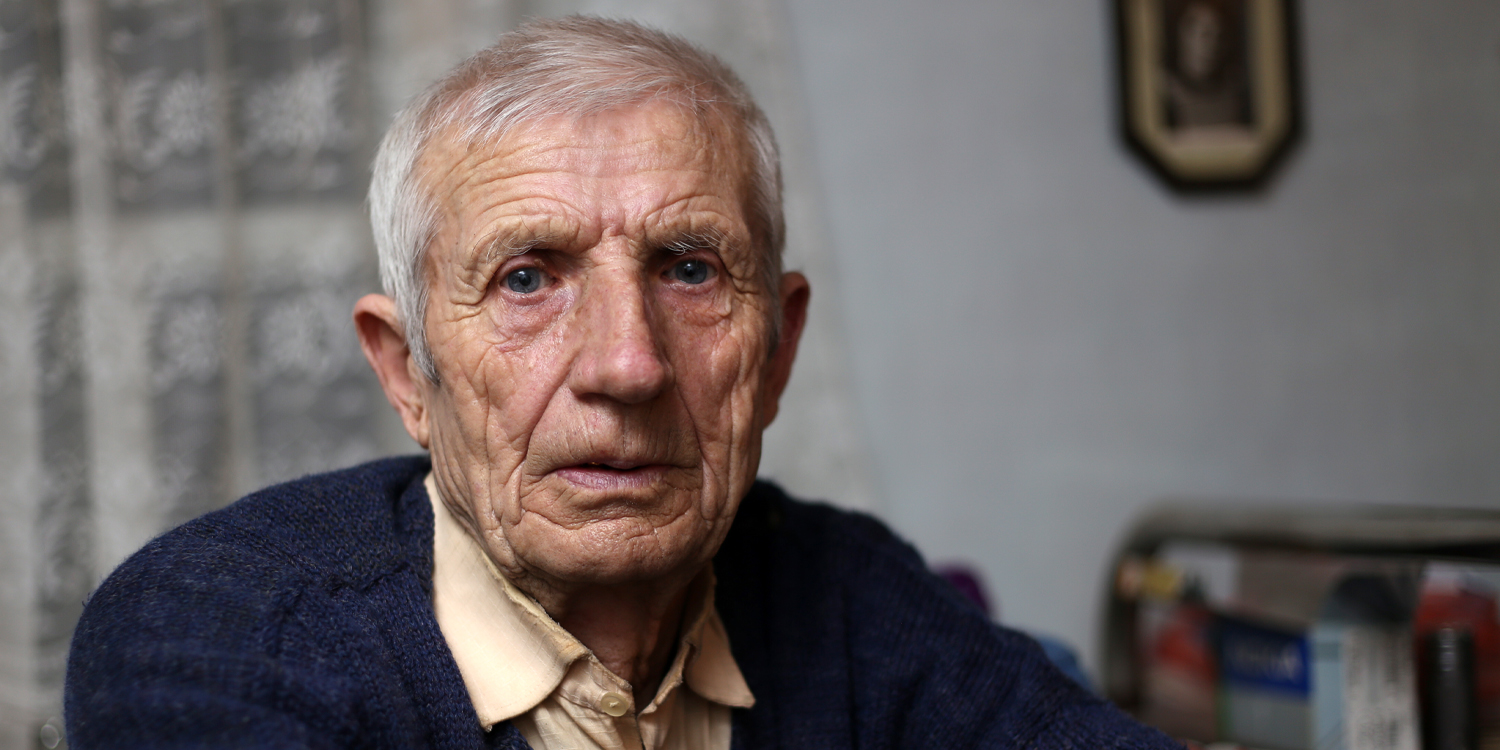
A new study has found that individuals who experienced state-organized soft repression during the former East Germany (German Democratic Republic) show higher levels of psychological distress and systemic inflammation. The research, published in The British Journal of Psychiatry, suggests that such experiences, which can include surveillance, denunciation, restrictions on speech, harassment, and professional/social obstacles, can have long-term impacts on mental and physical health.
The study, led by Ruth Marheinecke, examined the long-term psychobiological consequences of soft repression on 100 former GDR citizens aged 50 to 78, mainly from Thuringia and Saxony. Participants were divided into two groups: those who experienced at least two forms of state-organized soft repression and those who did not report any personal repression experiences.
The researchers found that the group exposed to soft repression had higher levels of depression, anxiety, and trauma symptoms compared to the control group. They also reported lower resilience and tended to have higher interleukin-6 levels, indicating increased systemic inflammation. Notably, in the repression group, lower social support was associated with shorter telomere length, suggesting accelerated biological aging.
While the study provides valuable insights into the long-term health consequences of soft political repression, it should be noted that it did not have a pretest and was not an experimental study. Therefore, it remains uncertain whether the observed differences are a direct result of the repression or influenced by other factors.
Additionally, the exclusion of individuals with acute psychopathology may have resulted in a sample of particularly resilient individuals, potentially underestimating the impact of soft repression.
Written by urgent.news from PsyPost's reporting — not their text. Machine-written — may contain errors; check the original before relying on it.