COGNITIVE DISSONANCE: Parallel realities — inside the online conversation over the White Cross Project
Organisers framed the Washington memorial as a tribute to all farm murder victims in SA; critics called it political theatre. Murmur Intelligence data shows how the debate unfolded online without US amplification.
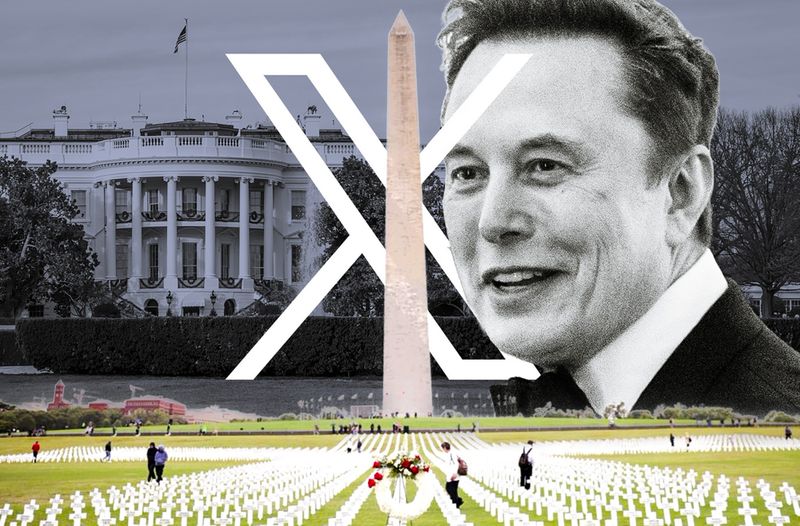
In the online conversation surrounding the White Cross Project, two distinct realities emerged. Organisers erected 3,000 white wooden crosses in Washington, DC, to commemorate farm-murder victims of all races. However, the memorial was perceived differently by two parallel groups.
For some, the memorial aimed to draw attention to rural safety. Supporters of Lex Libertas, the organisation behind the project, framed the crosses as a tribute to farm-attack victims, regardless of the victim's race. Ernst Roets, a former member of AfriForum and the project's organizer, emphasized that the memorial aimed to highlight all individuals who had fallen victim to farm murders.
On the other hand, critics viewed the memorial as racialised political theatre, staged for a US audience. Mainstream South African outlets reported on Afrikaners accusing the organisers of using farm murder victims as political props. The US ambassador to South Africa, Roelf Meyer, rejected claims of political persecution against white farmers. Some critics accused Lex Libertas of manufacturing a "false 'genocide' story for money and headlines."
The most significant dividing line between the two groups was the phrase "white genocide." Critics argued that the memorial contributed to this conspiracy theory, while the organisers avoided the term altogether. Within the Lex Libertas community on X, only a small fraction of posts mentioned "white genocide," while most posts using the phrase came from supporters insisting it had never been used.
The White Cross Project generated strong feelings but had modest reach. Without Elon Musk's amplification, the claims about farm murders remained a domestic argument over race, crime, and who gets remembered. The organisers' avoidance of the term "white genocide" kept the focus on crime and rural safety, but critics contended that the event's framing signaled a broader culture war narrative.
The contrast with 2025 was stark. During President Cyril Ramaphosa's meeting with Donald Trump, the online conversation about farm attacks, "white genocide," and Afrikaner refugees was much larger and predominantly American. This time, South Africans dominated the conversation, while Americans played a distinct minority role. Elon Musk, the central figure in the 2025 amplification scheme, was absent from the conversation.
Written by urgent.news from Daily Maverick's reporting — not their text. Machine-written — may contain errors; check the original before relying on it.