China's space diplomacy lifts Pakistani astronaut toward orbit
TWO Pakistani pilots are memorising Mandarin, spinning in centrifuge drills and learning to eat, sleep and repair equipment while weightless as a decision nears on which one will become the first foreign astronaut aboard China’s Tiangong space station.
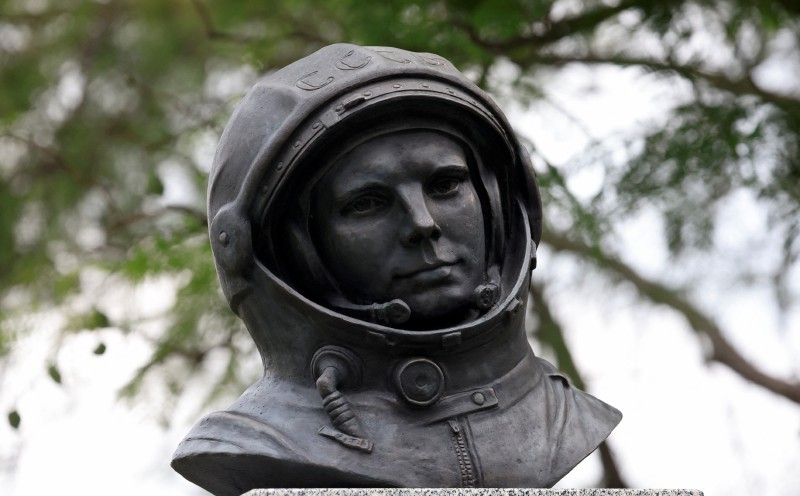
Two Pakistani pilots are honing their Mandarin skills, undergoing centrifuge drills and acclimatizing to life in zero gravity as a decision looms on who will become the first foreign astronaut to visit China's Tiangong space station. The mission would mark a first for Pakistan, a nation part of the broader Belt and Road Initiative cooperation with Beijing.
This collaboration has already yielded Chinese-launched Pakistani satellites, a joint satellite-navigation system, and a Pakistani-built rover destined for China's Chang'e 8 lunar mission around 2028.
Pilots Zeeshan Ali and Khurram Daud have spent months at China's Astronaut Research and Training Center in Beijing, preparing for their historic voyage. The selection decision is expected in mid-to-late October, and the chosen astronaut will not return to Pakistan until after the launch and recovery phase, starting and ending their journey directly from Chinese training facilities.
Their intensive training includes mastering the Chinese language, learning spacecraft systems, adapting to microgravity, and enduring the g-forces of liftoff. They were chosen from a pool of 20 finalists, selected for their medical fitness, psychological resilience, and ability to withstand high g-forces.
Suparco, Pakistan's space agency, shared these details with foreign media for the first time since the pilots' selection. Once in space, the chosen pilot will serve as a payload specialist, responsible for running Pakistan's science experiments aboard the station, rather than piloting the spacecraft. The scientific payload aboard Tiangong consists of biotechnology experiments aimed at addressing food insecurity and climate change challenges.
Every experiment undergoes rigorous testing in Pakistan before receiving approval from Chinese engineers—an exceptional case of Pakistani technology being validated on an international platform.
Despite the modest nature of the scientific payload compared to Tiangong's existing 180 experiments and over 500 research papers, the mission represents a once-in-a-lifetime opportunity for Pakistani scientists. China's invitation to Pakistan marks the first time the country will transport a foreign astronaut, setting the stage for future international cooperation in space exploration.
Written by urgent.news from New Straits Times's reporting — not their text. Machine-written — may contain errors; check the original before relying on it.
This story
This is one outlet's version. Read the fullest account.