China’s space diplomacy brings Pakistani astronauts closer to orbit
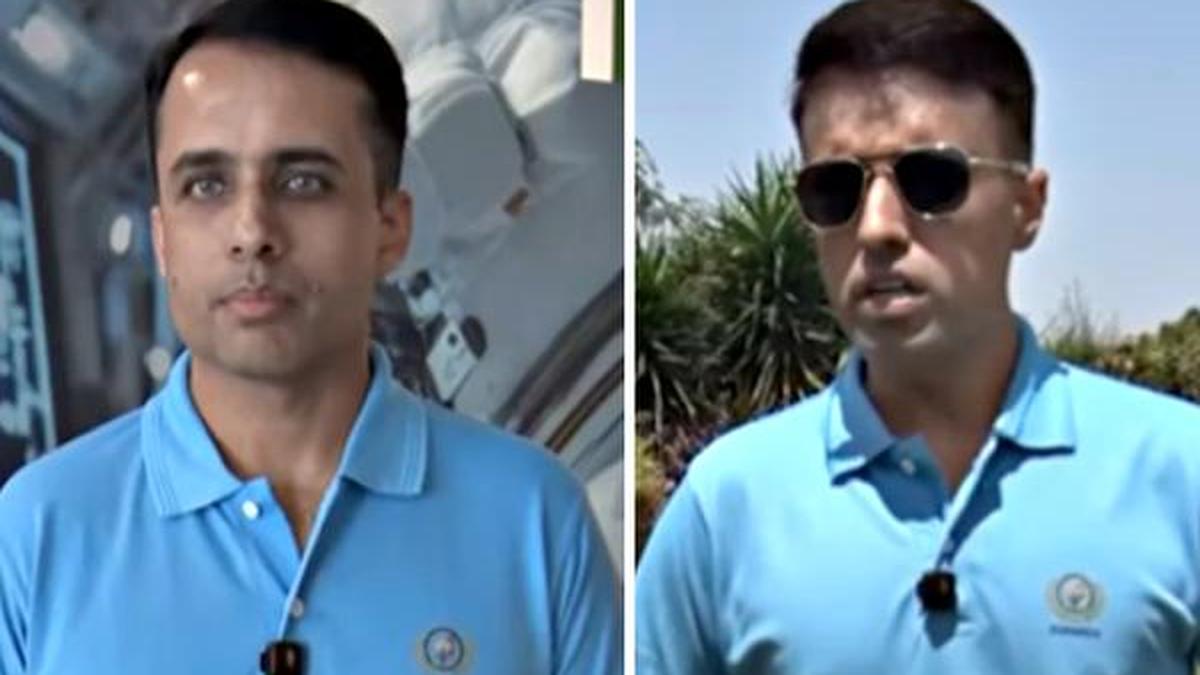
Pakistan’s space agency has provided the first insights into the programme to foreign media since the pilots were selected and deployed to China
Chinese researchers claim they have successfully conducted a first-of-its-kind satellite-to-satellite refueling operation in high Earth orbit, potentially revolutionizing the space race. According to a paper under review by the Journal of Deep Space Exploration, China's Deep Space Exploration Laboratory successfully provided room-temperature propellant to a high-orbit BeiDou satellite for the first time.
BeiDou is China's version of the US Global Positioning System (GPS), a network of satellites providing positioning, navigation, and timing services, crucial for various applications such as smartphone maps, financial transactions, military drone swarms, and hypersonic missile guidance. The technology of in-orbit refueling could extend a satellite's life by years and make a replacement less necessary, thus creating a more resilient and continuously available navigation service.
The researchers from the Chinese Academy of Sciences identified the two spacecraft involved and the amount of fuel transferred - 142kg (313lbs) provided by Shijian-25, launched in January 2025, to refuel the BeiDou-2 G7 satellite. The CAS scientists even simulated the rendezvous between the two satellites, suggesting this could be the second known case of satellite refueling in high orbit, following an operation in July 2025 when Shijian-25 supplied fuel to Shijian-21 in geostationary orbit.
If confirmed, this technology could have significant military implications, giving China an advantage in a future conflict in space, as it would allow refueling its effectors, which could impact maneuverability during a fight. However, some experts, like Jonathan McDowell, a former Harvard astrophysicist and satellite tracking expert, have expressed skepticism about the claimed rendezvous and refueling, citing the lack of empirical evidence and suggesting the event might be implausible within the given timeframe.
Written by urgent.news from South China Morning Post's reporting — not their text. Machine-written — may contain errors; check the original before relying on it.
This story
This is one outlet's version. Read the fullest account.