China has quietly got Trump by the soybeans
Trump and Xi have slashed tariffs on $30 billion worth of goods on each side, but not the soybeans that Iowa farmers depend on
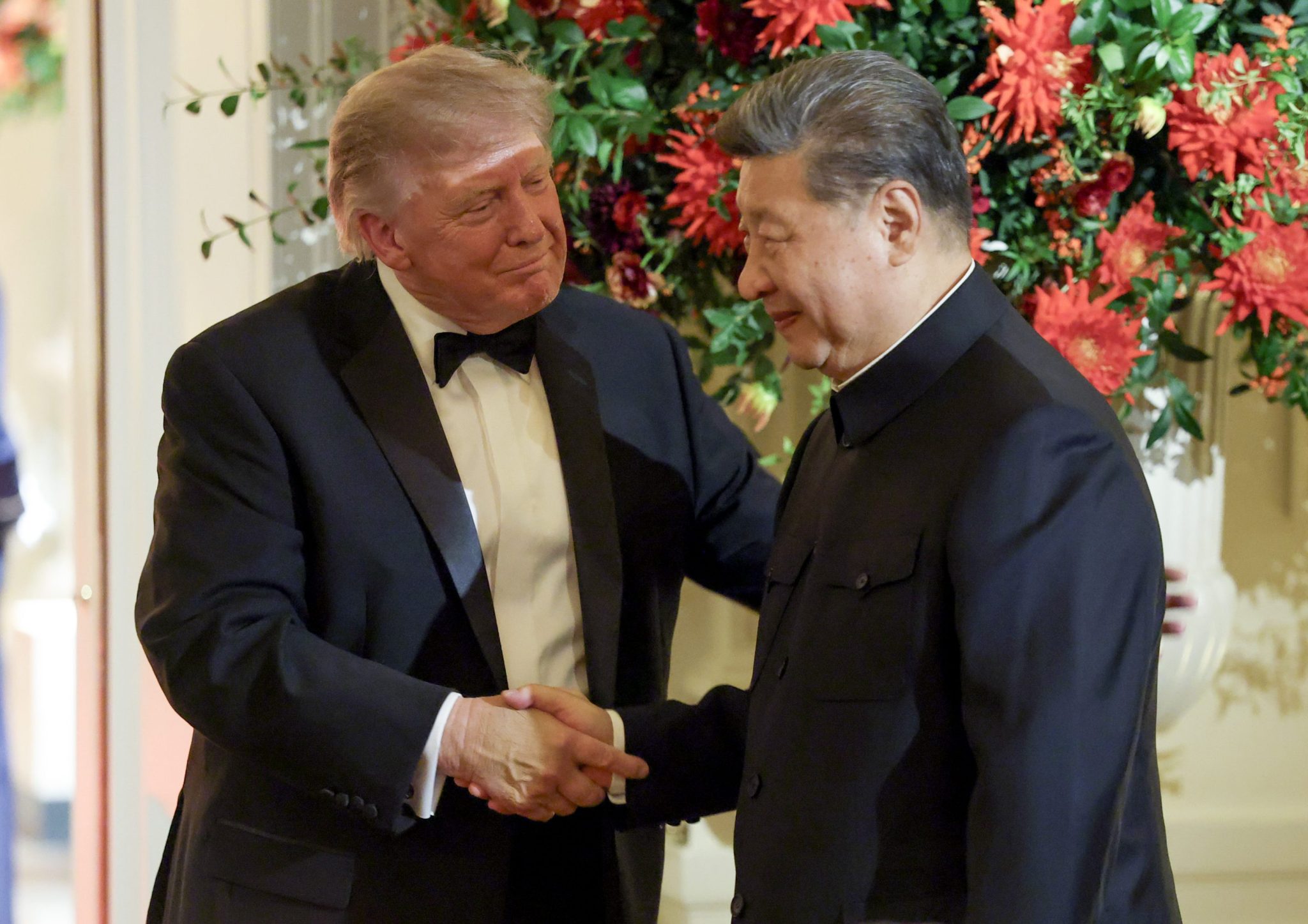
President Donald Trump's welcome for his summit with China’s Xi Jinping revealed a strategic move by China: leaving raw soybeans uncapped from tariff relief. While Chinese import of soybean products, including seed, flour, and processing by-products, was included, bulk soybeans, a core concern in U.S.-China farm tensions, remained untouched.
Soybeans, a significant agricultural export of the U.S., totaled $16.5 billion in 2020, ranking second after corn. China's insatiable demand for soybeans, largely due to limited arable land, makes them vulnerable to U.S.-China trade policy fluctuations. Prior to the first Trump trade war in 2018, American Soybean Association estimated 28% of U.S. soybean production was shipped to China.
The imposition of a 25% retaliatory tariff on U.S. soybeans by China in 2018 resulted in $9.4 billion in soybean losses for American farmers, costing Iowa and Illinois heavily. Given soybeans' role in U.S. farmers' revenue, they were a key focus in Trump's dealmaking with Beijing. He secured a deal with Xi in November, ensuring China's commitment to buying soybeans in 2026, 2027, and 2028.
The White House also announced China's commitment to buy $17 billion worth of agricultural products. However, China has alternatives, primarily Brazil. Brazil, having overtaken the U.S. as China's largest soybean supplier over a decade ago, continued to grow its market share, aided by cheaper prices. China's exclusion of commodity soybeans from the tariff relief package gives it a bargaining chip for future talks, according to Usha Haley, a professor at Wichita State University who studies Chinese trade strategy.
This strategy keeps China's soybean market uncertainty and high cost for American farmers, maintaining leverage in potential negotiations.
Written by urgent.news from Fortune's reporting — not their text. Machine-written — may contain errors; check the original before relying on it.
This story
This is one outlet's version. Read the fullest account.