Battersea Shield: A 2,000-year-old Celtic shield that may have been 'sacrificed' in a ritual in the River Thames
The Battersea Shield was discovered in the 19th century at the bottom of the Thames. Archaeologists still aren't sure how it ended up there.
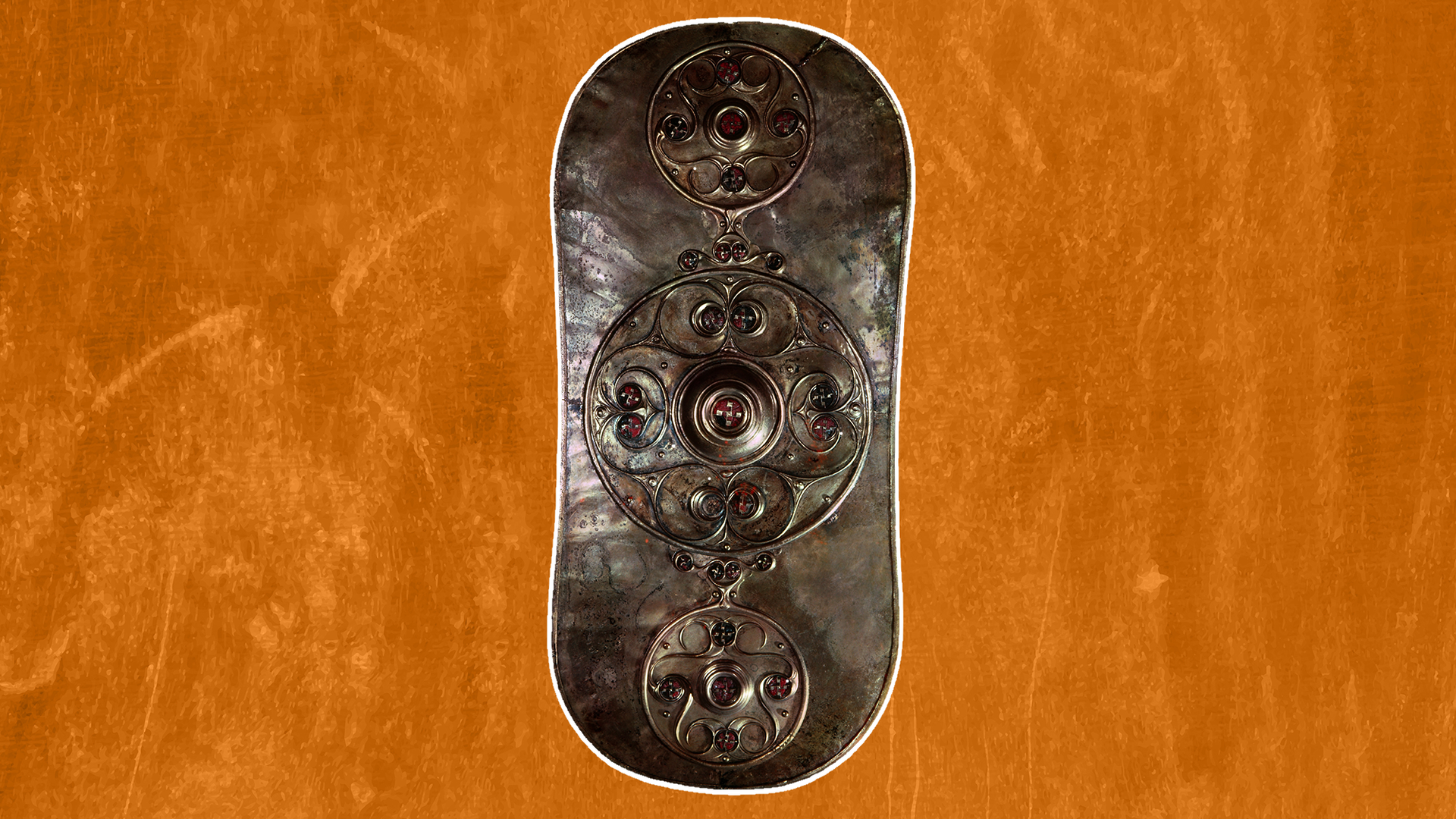
In 1857, a laborer discovered a remarkable artifact while working on a bridge over the River Thames in London - the Battersea Shield. This bronze-faced Celtic shield, dating back to between 350 and 50 B.C., bears no signs of use, sparking curiosity among archaeologists. Named after the London neighborhood where it was found, the shield measures 30.6 inches long and 14 inches wide, weighing approximately 7.5 pounds.
Originally, the shield would have been attached to a wooden or leather base, but this underlying material has long since disappeared. The intricate Celtic-style decorations on the shield, including a circular boss and various motifs, suggest it was crafted in Britain rather than imported from another Celtic culture. The presence of red glass enamel and bronze swastikas, traditionally considered symbols of good luck in ancient Celtic culture, adds to the shield's mystique.
Although no evidence of battle damage exists, archaeologists believe the Battersea Shield might have been a ritual sacrifice, either offered to the river or an important ancestor. Its discovery has made the Battersea Shield the most famous object ever found in the Thames, a symbol of ancient Britain that has appeared on diverse items such as postage stamps and CD cases.
Written by urgent.news from Live Science's reporting — not their text. Machine-written — may contain errors; check the original before relying on it.