Bank of England’s Ramsden says interest rates will need to rise if pressures persist
Interest rates may need to rise if growing inflation pressures continue to build, according to the Bank of England’s deputy governor, who added there had been “robust discussion” among officials over the authority’s recent bond sale overhaul. Dave Ramsden, who leads the organisation’s oversight of markets and banking, said there would have been “at least [...]
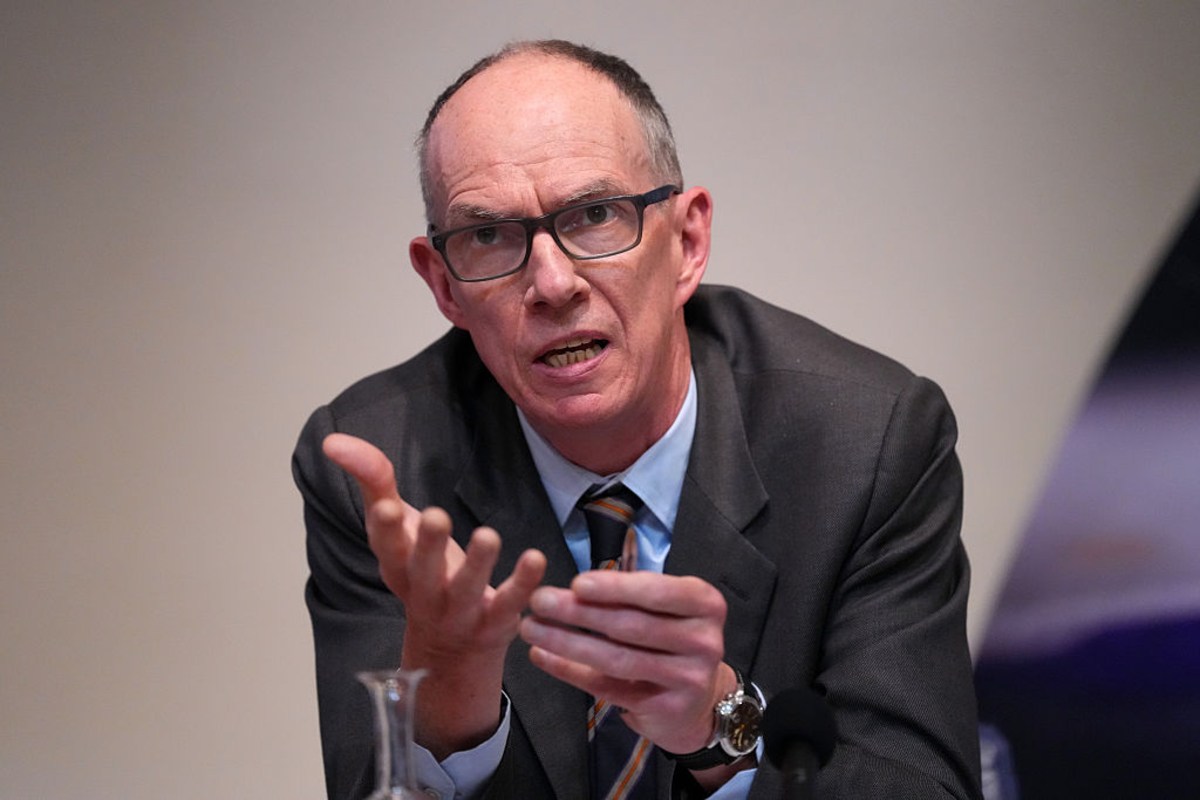
Bank of England deputy governor Dave Ramsden has stated that interest rates may need to rise if inflation pressures persist, according to the bank's latest comments. Ramsden, who oversees markets and banking, revealed there had been "robust discussion" among officials regarding the recent overhaul of the bank's bond sale program.
He noted that "Bank Rate being the 'active' tool doesn't always mean it has to change," adding that "a decision to hold can be an active response to the risks to the inflation outlook." Despite this, Ramsden argued that if the US had not launched its Middle East military campaign and energy markets were not facing significant disruptions, there would have been "at least two cuts" by now in interest rates.
The Bank of England's Monetary Policy Committee (MPC) maintained the Bank Rate at 3.75% for the sixth consecutive meeting earlier this month. MPC members argued that while the Middle East conflict had far-reaching effects on energy prices, there was little evidence that prices were accelerating elsewhere in the economy.
Ramsden, voting in favor of keeping interest rates unchanged, warned that inflation risks had "tilted more to the upside." He explained that the decision to maintain monetary policy since March restricted conditions, as most market participants had expected a period of lower interest rates. This restriction helped control potential second-round effects from the energy shock.
Ramsden noted that the tightening of financial conditions since the conflict began has helped limit the spread of direct energy shock effects to second-round effects. However, he cautioned that if upside pressures on the inflation outlook continue to build, there could be a case for increasing Bank Rate.
During the MPC's decision-making process, members debated the nature and structure of the bank's bond sale program, which led to a disagreement that Ramsden acknowledged. He stated that the MPC considered important institutional questions about the potential interaction between monetary and fiscal actions and the independence of MPC decision-making over monetary policy.
Written by urgent.news from City AM's reporting — not their text. Machine-written — may contain errors; check the original before relying on it.