Asian currencies weaken as dollar holds near two-month high, yen slips
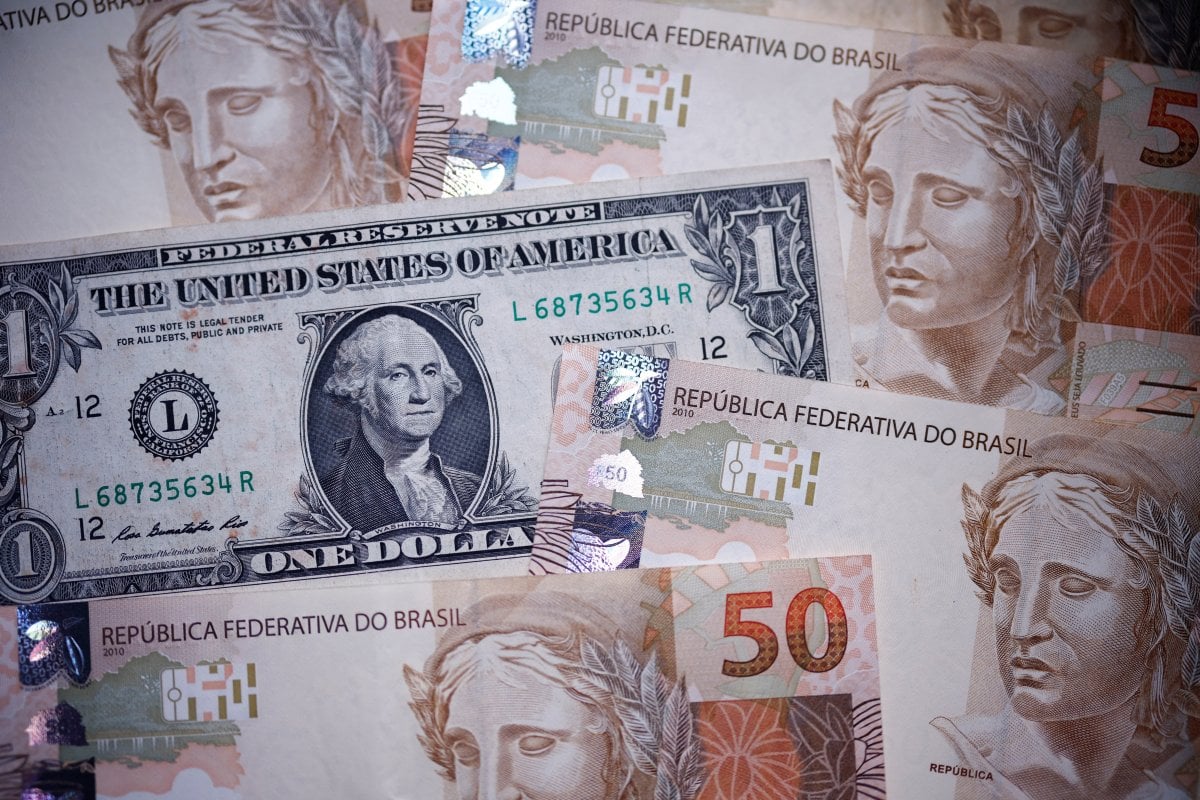
Asian currencies experienced a decline on Monday as the U.S. dollar neared a two-month high, driven by heightened tensions between the United States and Iran and elevated oil prices. The U.S. dollar index climbed to around 101.12, marking a 0.2% increase and setting the stage for a 1.7% gain in September, the strongest monthly performance since June.
The USD/JPY pair rose 0.3% to 157.78, while Brent crude oil prices surged over 1% to above $106 per barrel following President Donald Trump's rejection of an Iran deal and the potential reopening of the Strait of Hormuz. The strengthening dollar was fueled by robust U.S. economic data and rising longer-dated Treasury yields, prompting expectations for the Federal Reserve to maintain a hawkish stance amid worries about persistent inflation fueled by higher energy costs.
Market focus shifted to upcoming U.S. economic data releases, including the August Personal Consumption Expenditures inflation report and the September nonfarm payrolls report. The probability of a Federal Reserve rate hike at the end of October stood at approximately 65%, according to CME FedWatch, following the Fed's recent 0.25% rate increase and subsequent statements suggesting additional tightening may be necessary if inflation remains high.
The yen experienced a 0.3% drop to 157.7 per dollar after gaining earlier in the week following a call between Japan's Finance Minister Satsuki Katayama and U.S. Treasury Secretary Scott Bessent, who reiterated concerns about an undervalued yen and pledged enhanced cooperation on currency matters. Despite the Bank of Japan's recent September rate hike, the yen continued to face pressure, raising questions about the timeliness of policy adjustments to narrow the interest-rate gap with other major economies.
The Australian dollar held steady around $0.70, with the Reserve Bank of Australia expected to raise its cash rate by 25 basis points to 4.60% at its upcoming decision, its highest level in nearly 15 years. This move followed three consecutive rate hikes this year, driven by concerns about sustained energy-price pressures potentially impacting inflation.
The Chinese yuan weakened against the U.S. dollar, with the USD/CNH pair trading around 6.72, while USD/CNY saw a marginal rise to 6.71. The offshore yuan had earlier strengthened amid the three-day summit between President Trump and Chinese President Xi Jinping, but it faced headwinds after the summit concluded without significant progress on contentious issues.
China's manufacturing and services PMI data were scheduled for release on Wednesday, ahead of the National Day holiday. Across the region, the USD/KRW pair increased by 0.2% to 1,356.71, while USD/INR rose by 0.2% to 96.112, USD/IDR climbed by 0.4% to 17,944.3, USD/MYR gained 0.4% to 4.085, and USD/THB advanced 0.6% to 33.585.
Written by urgent.news from Investing.com's reporting — not their text. Machine-written — may contain errors; check the original before relying on it.