Apple’s long, lonely game in the AR race
Meta’s most recent product announcements have grabbed attention, but the one thing they could not hide is that it’s still not possible to build a system as sophisticated as Apple’s Vision Pro at an affordable price, or Meta would have done it. You could argue that at $1,299, the Meta VR Glasses the company introduced last week and promised to ship in spring 2027 could be as sophisticated, but…
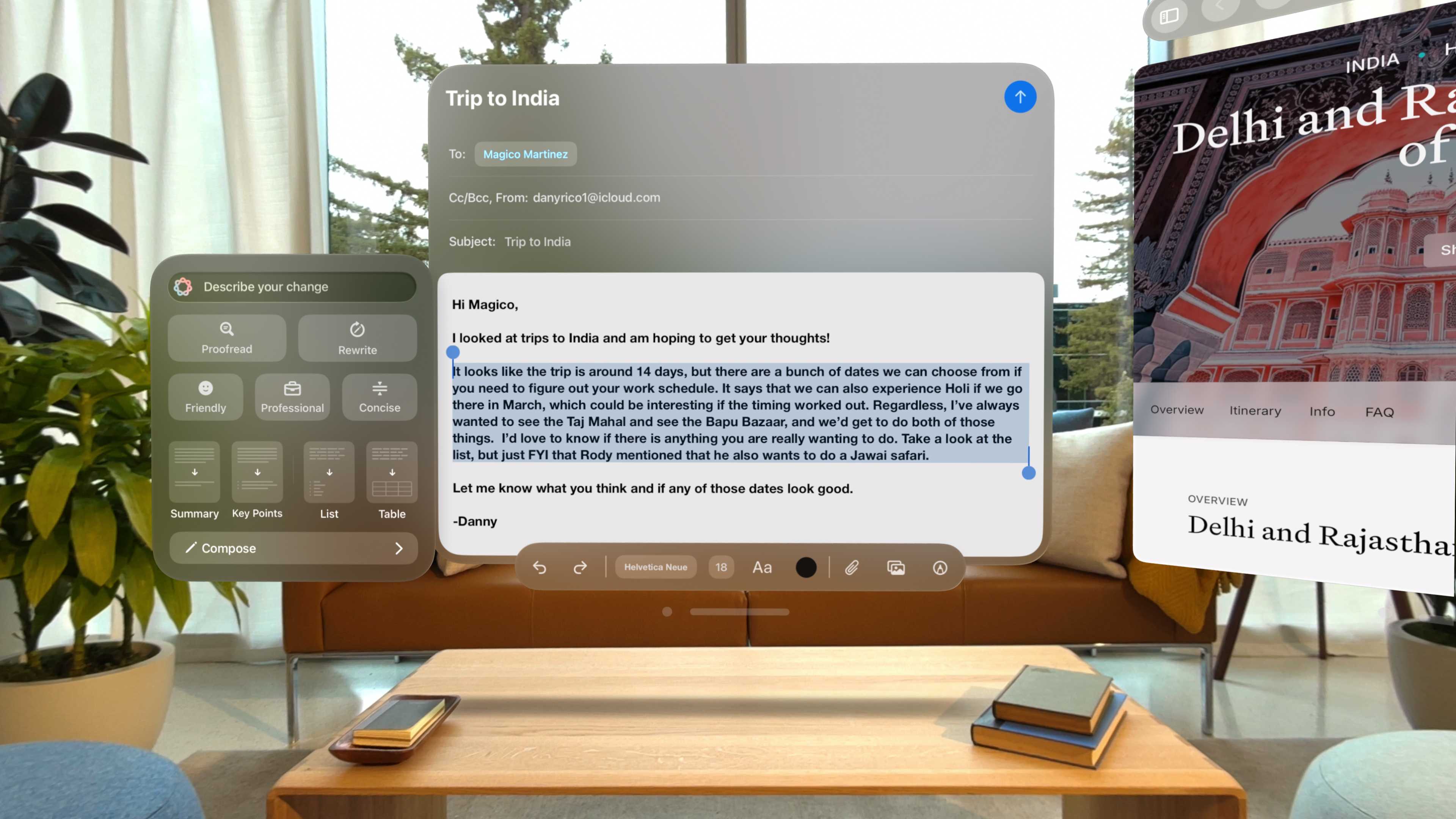
Meta's recent product announcements have drawn attention, but their success in creating a system as advanced as Apple's Vision Pro remains elusive. While the $1,299 Meta VR Glasses announced last week and slated for a spring 2027 release may seem equally sophisticated, they appear to have certain design compromises compared to Apple's product.
The most notable is the use of a puck to house the processor and battery, which keeps the glasses lightweight at just 100 grams. A recent Bloomberg report reveals that senior Apple executives have been hesitant to adopt an external puck to further reduce weight and cost in future Vision Pro models, preferring the fully integrated design characteristic of Apple's devices.
Other compromises include a narrower field of view in Meta's glasses as compared to the current Vision Pro. Despite this, Meta's efforts to match Apple's Vision Pro are hindered by the absence of a processor that would be needed for the glasses. Meta and its partners are still developing a processor to compete with Apple's. Apple has consistently depicted Vision Pro as a futuristic product, a device from the future, even stating early in the month that it is akin to the early days of computers.
Meta's latest product and recent revelations about Apple's plans suggest that building this future takes time. Apple is now exploring four potential paths: a design using lighter materials, a puck-based design, smart glasses with additional features like audio, camera, and AI, or smart glasses with all these features plus a video display.
While taking any of these paths may not be mutually exclusive, they represent stages toward achieving pervasive spatial computing. Apple's current state of flux regarding its next move with Vision Pro has been likened to a "life support" situation. However, this period of uncertainty may be a calm before a significant wave in the spatial computing landscape.
The timing of these claims, following Meta's own product announcement, provides Meta with an opportunity to market their latest product. At Apple's scale, the company can pursue multiple designs simultaneously, so any internal confusion may simply reflect differing levels of readiness across the various projects. Despite some recent layoffs in the Vision Pro team, Apple's new leader appears to remain committed to the product.
This long-term commitment allows Apple ample time to refine key components of its product plans, particularly in terms of privacy. Apple aims to avoid the negative perception of "pervert glasses" by ensuring the privacy of its ambient audio intelligence through measures like Secure Exclave. These privacy-focused decisions are expected to influence the development of future visionOS products and consumer/enterprise mass-market AR.
In the short term, the reactions of Apple and Meta to potential privacy regulations will be crucial, as these decisions will set the stage for the future of AR products and the broader AR market.
Written by urgent.news from Computerworld's reporting — not their text. Machine-written — may contain errors; check the original before relying on it.