‘Age does not make a glucose of 160 mg/dL normal’: Doctor explains what the number means in your 20s
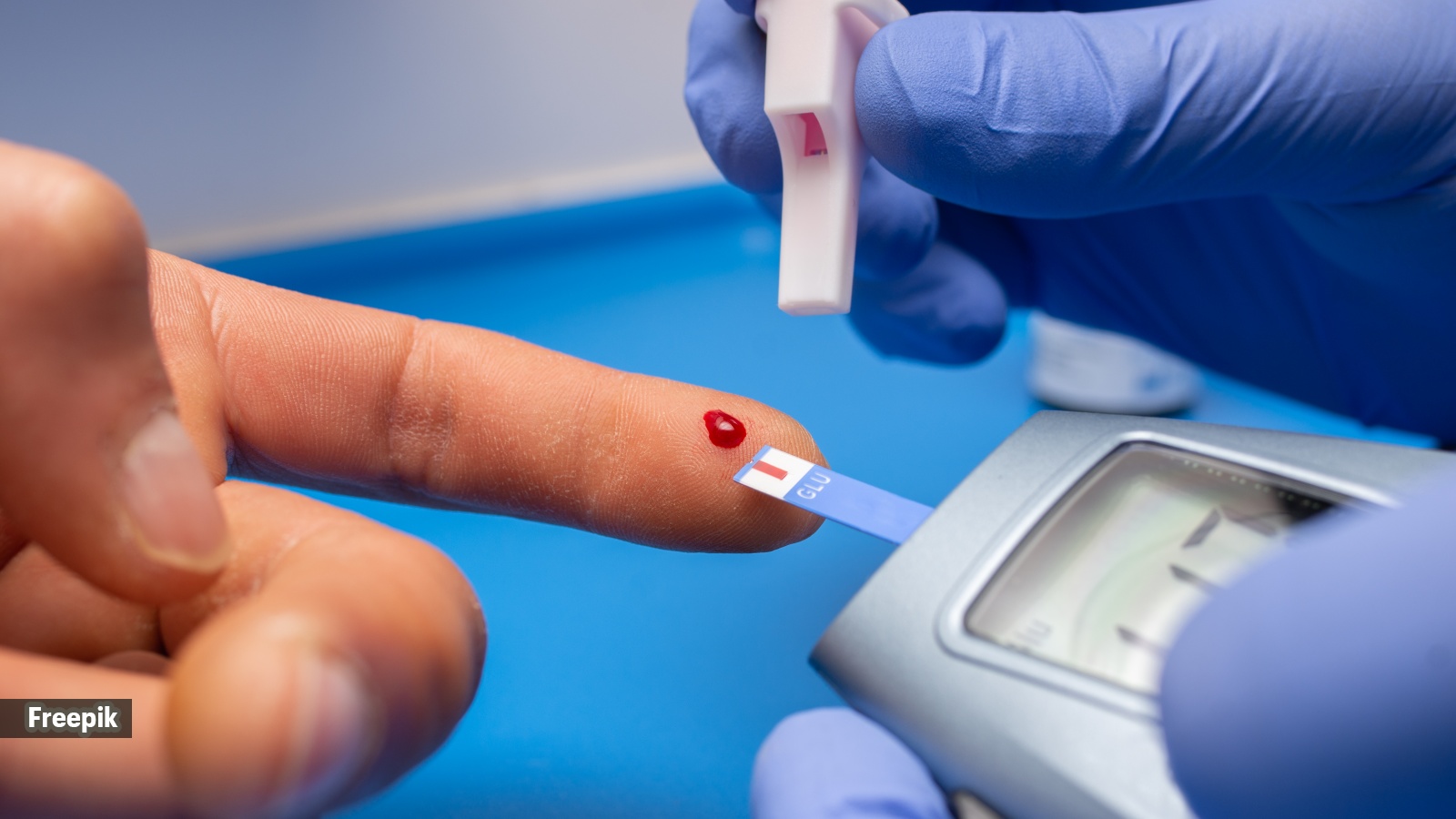
A blood sugar reading of 160 mg/dL can be concerning, especially when you're in your 20s and feeling fine. However, the meaning of this number depends on various factors, such as when it was measured and whether it's repeated. Dr. Rajiv Kovil, a Diabetes & Obesity Specialist at Zandra Healthcare, emphasizes that age does not make a glucose level of 160 normal. The key is understanding what context the number has.
A fasting blood sugar of 160 mg/dL is considered abnormal and falls within the diabetes range, with the diagnostic threshold being 126 mg/dL or higher. A pre-meal value of 160 is also abnormal and requires evaluation. The significance of a post-meal reading of 160 depends on factors like how long after eating, what was eaten, and if diabetes has already been diagnosed.
To diagnose diabetes, doctors typically look for fasting plasma glucose ≥126 mg/dL, HbA1c ≥6.5%, 2-hour OGTT glucose ≥200 mg/dL, or random blood glucose ≥200 mg/dL accompanied by classic symptoms. In asymptomatic individuals, abnormal results should be confirmed with laboratory testing, usually through a combination of fasting glucose, HbA1c, and/or a 75-g OGTT.
Repeated high readings should not be attributed solely to factors like stress, food, or lack of sleep. Instead, they should be investigated as a pattern, particularly in young adults with obesity, a family history of diabetes, or other metabolic risk factors.
If blood sugar keeps coming back high, initial evaluations usually include laboratory fasting glucose and HbA1c. In young-onset diabetes, diagnosis is only the beginning, and it's crucial to establish the type of diabetes and assess potential complications. Tests like 75-g OGTT, GAD, IA-2, and ZnT8 autoantibodies, as well as evaluations for monogenic diabetes, may be necessary. Once diabetes is confirmed, doctors assess blood pressure, lipids, kidney function, and screen for other complications.
Written by urgent.news from The Indian Express's reporting — not their text. Machine-written — may contain errors; check the original before relying on it.