Why the hubbub about AI is nothing new
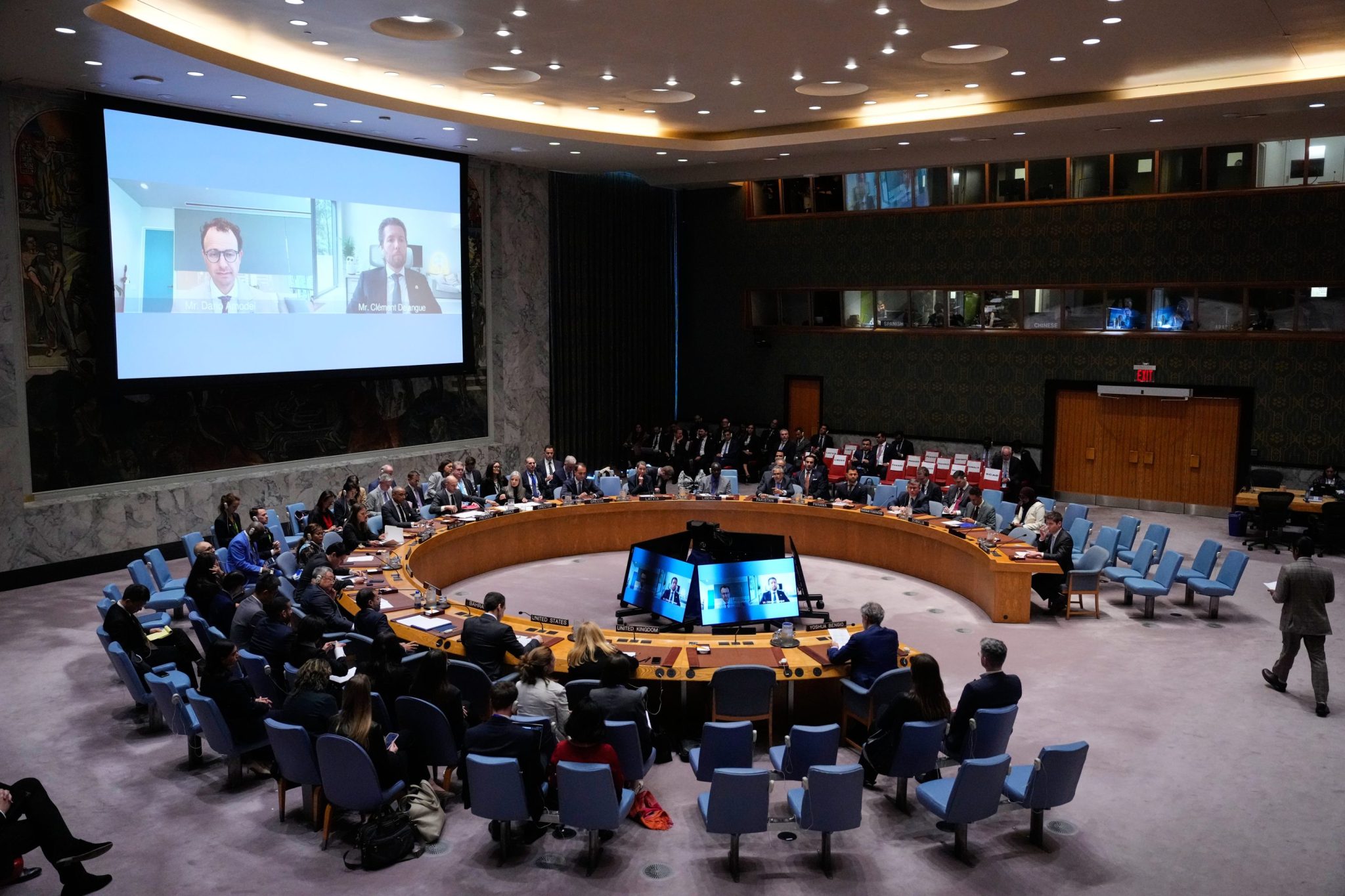
AI companies are asking for greater regulation. They follow a long line of technologists and industrialists who have called for the same thing as the pace of digital development threatens to outstrip guidelines designed to govern it. In a recent essay, We Must Pace the Frontier , Dario Amodei, the chief executive of Anthropic, argues that AI companies should introduce independent safety…
AI companies are advocating for stricter regulations, echoing a pattern seen in technological advancements throughout history. Dario Amodei, CEO of Anthropic, suggests independent safety evaluators, shared safety standards and international collaboration, alongside granting governments more control over potentially dangerous AI applications.
This goes beyond mere safety policies; Amodei seeks collective rules and external oversight. It may seem counterintuitive for companies striving to develop more powerful AI systems to desire government-imposed constraints. However, history reveals that economic development often moves faster than the legislation meant to govern it.
Governments typically catch up after the technology has become deeply embedded in society and its implications become unavoidable. This was evident in the internet and social media, where debates over privacy, consumer protection and online tracking ensued in the late 1990s and early 2000s. Currently, AI is on the brink of a similar phase, and prominent figures like Sam Altman and Elon Musk have joined Amodei's call for increased oversight.
The underlying issue lies in economic externalities, as outlined by British economist Arthur Cecil Pigou over a century ago during Britain's industrialization. Pigou recognized that the private costs of industrial activities often differ from their social costs, which can include environmental pollution and health impacts. Similarly, AI poses substantial social costs that extend beyond the companies creating them.
These risks encompass job losses, cyber vulnerabilities, biological threats, and the potential entanglement in future conflicts. While AI offers vast economic benefits, including revenue, market share, and productivity, the science and medical sectors stand to gain the most. However, some senior AI executives have recently resigned due to the difficulty in calculating the overall societal costs.
The key distinction between AI and industrial factories is that AI's risks are less visible and localized. Engineers can observe and test these systems, but cannot always predict or explain the emergence of specific capabilities or their potential behaviors. This complexity makes assigning liability for harmful actions more challenging.
If an AI system produces unforeseen harmful features, who bears the responsibility—the developer, the deployer, or the user? AI companies contend that some risks are too large or uncertain for individual entities to manage alone. At the same time, they acknowledge that collective rules can protect them from bearing the sole cost of implementing restrictions.
This explains the current push for AI regulation, which appears less unusual when viewed through this lens. Over a century after Pigou's analysis, the discussion surrounding AI regulation is gaining momentum, driven by the recognition that common rules can help distribute the costs of restraint.
Written by urgent.news from The National Business's reporting — not their text. Machine-written — may contain errors; check the original before relying on it.
Also reported by 1 other outlet
- Why the hubbub about AI is nothing new thenationalnews.com