What Is Cardiomyopathy? Symptoms, Causes And Why Early Diagnosis Matters
When we think about heart disease, heart attacks and blocked arteries are usually the first conditions that come to mind. But the heart can be affected in several other ways, including conditions that may develop much earlier in life. Cardiomyopathy is one of them. What is cardiomyopathy? Cardiomyopathy is a condition in which the heart muscle’s ability to pump and/or relax becomes impaired. When…
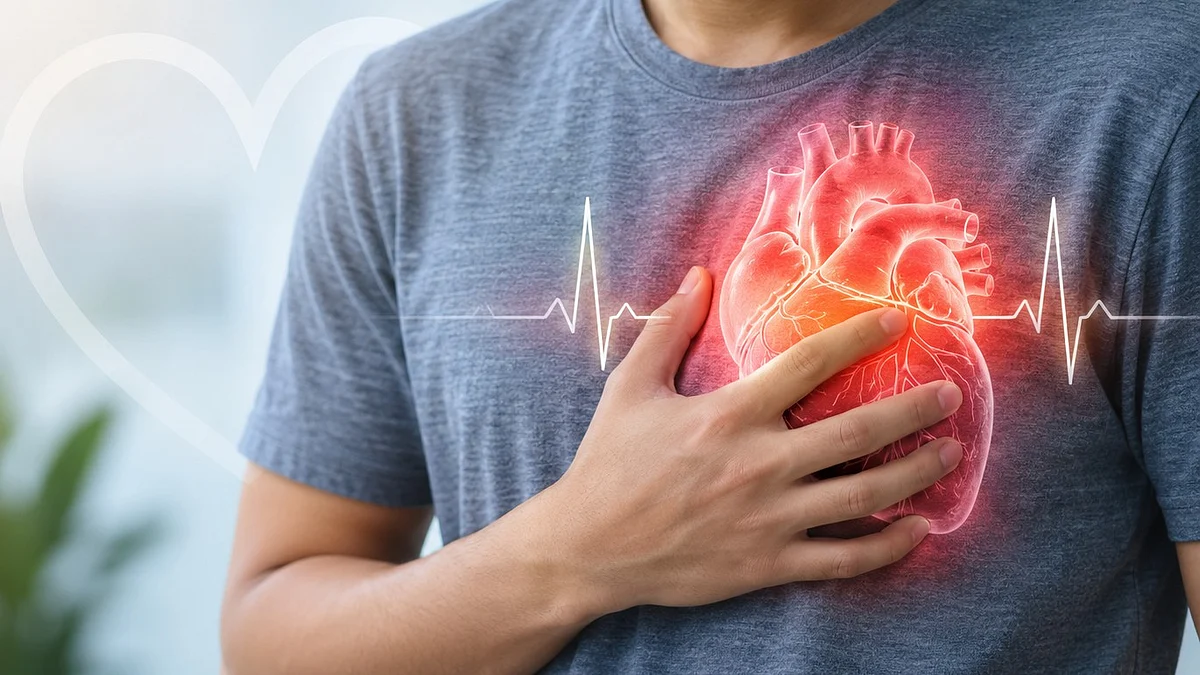
Cardiomyopathy is a heart condition characterized by impaired pumping and/or relaxation of the heart muscle. This can lead to symptoms such as breathlessness, swelling in the legs or abdomen, and a persistent cough. The condition can affect people of any age, with studies showing that Indian patients are developing heart failure at younger ages compared to Western counterparts.
The exact cause of cardiomyopathy can vary, and understanding it is crucial as different forms may require distinct management approaches. Genetic disorders can lead to early-onset cardiomyopathy, while other forms can arise from factors like heart attacks, diabetes, or drug exposure. Symptoms can be nonspecific at first, making it easy to overlook them as signs of an underlying heart issue. This underscores the importance of seeking medical attention if these symptoms persist or become unexplained.
Early diagnosis is key, as it allows for timely treatment that can significantly alter the course of the disease. Consulting a cardiologist who specializes in cardiomyopathy and heart failure is recommended for an accurate diagnosis. Treatment typically involves a mix of medications tailored to the patient's condition, with a focus on correcting any reversible underlying causes.
In some cases, additional therapies such as automated defibrillator implants or even heart transplants may be necessary, especially in advanced stages of heart failure.
Prevention efforts include participation in cardiac rehabilitation programs to help patients regain their exercise capacity and reduce the likelihood of hospital readmissions. For those who experience symptoms or are diagnosed with cardiomyopathy, consulting a healthcare professional promptly is crucial. Cardiomyopathy is not limited to older adults or those with a history of heart disease; recognizing the signs early can pave the way for effective management and improved outcomes.
Written by urgent.news from Free Press Journal's reporting — not their text. Machine-written — may contain errors; check the original before relying on it.