US visa row shines spotlight on Al Burhan’s legitimacy, Sudan expert says
The US decision to withhold a visa from Sudanese Armed Forces chief Gen Abdel Fattah Al Burhan for the UN General Assembly has renewed questions over his disputed legitimacy as the country’s leader, an expert in Sudanese affairs said. Gen Al Burhan was due to address the General Assembly on Sudan’s behalf, but Washington withheld his visa as part of a US-backed push for a ceasefire in the war…
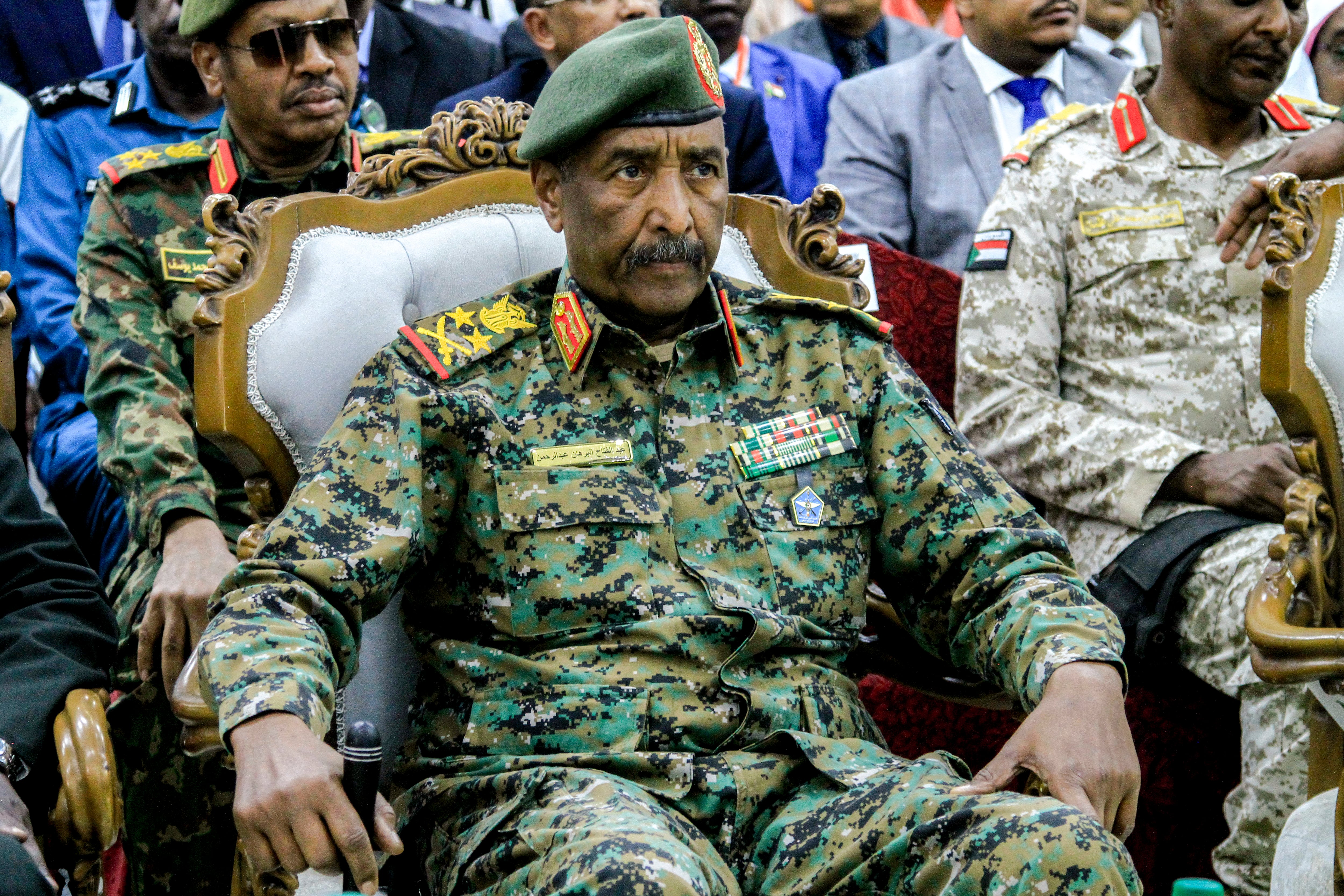
The US has withheld a visa for Sudanese Armed Forces chief Gen Abdel Fattah Al Burhan, who was set to address the UN General Assembly on Sudan's behalf, as part of a push for a ceasefire in the ongoing war between the SAF and the Rapid Support Forces paramilitary group. This move has reignited debates over Al Burhan's disputed legitimacy as the country's leader, according to Khaled Omar, a Sudanese affairs expert.
The US State Department stated that neither the SAF, the RSF, nor either of their leaders represent legitimate, constitutional governance for Sudan. However, the Sudanese government rejected this assertion, emphasizing that any peace initiative must respect Sudan's sovereignty, unity, territorial integrity, and constitutional national institutions.
Omar argued that Al Burhan's position as army chief does not automatically grant him constitutional authority to represent Sudan at the UN, asserting that his natural place is within the armed forces headquarters. He also disputed Al Burhan's claim to head the Transitional Sovereignty Council, citing his coup in 2021, which was rejected by the Sudanese populace and led to the African Union suspending Sudan's membership.
The controversy over Al Burhan's legitimacy has roots in previous protests by Sudanese demonstrators during his UN visit in 2022. Despite the US's intention to pressure Al Burhan to engage in ceasefire efforts, the Sudanese leader had sent "contradictory messages," initially accepting then rejecting the proposal. Omar suggested that the US administration viewed Al Burhan as "buying time" and not sincere about the ceasefire initiative.
The conflict, which has been raging for four years, has resulted in a humanitarian crisis, displacing around 14 million people. The war began when tensions between Al Burhan and Gen Mohamed Dagalo escalated into open hostilities in Khartoum, eventually spreading across Sudan, including the Darfur, Kordofan, and Blue Nile regions.
Written by urgent.news from The National Business's reporting — not their text. Machine-written — may contain errors; check the original before relying on it.
Also reported by 1 other outlet
- US visa row shines spotlight on Al Burhan’s legitimacy, Sudan expert says thenationalnews.com