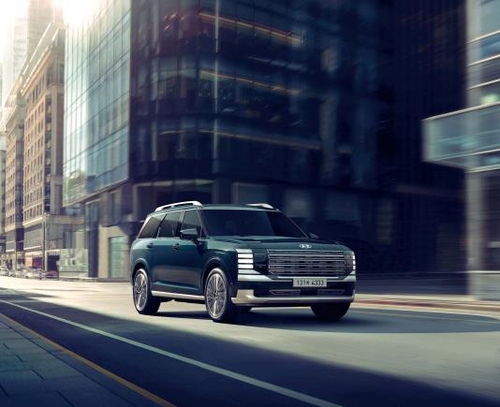
US to finalise sharply lower vehicle fuel economy standards
WASHINGTON: The Unites States Transportation Department on Monday will finalise sharply lower vehicle fuel economy standards through 2031, reversing a push by the Biden administration to force automakers to build more electric vehicles, officials said on Saturday.
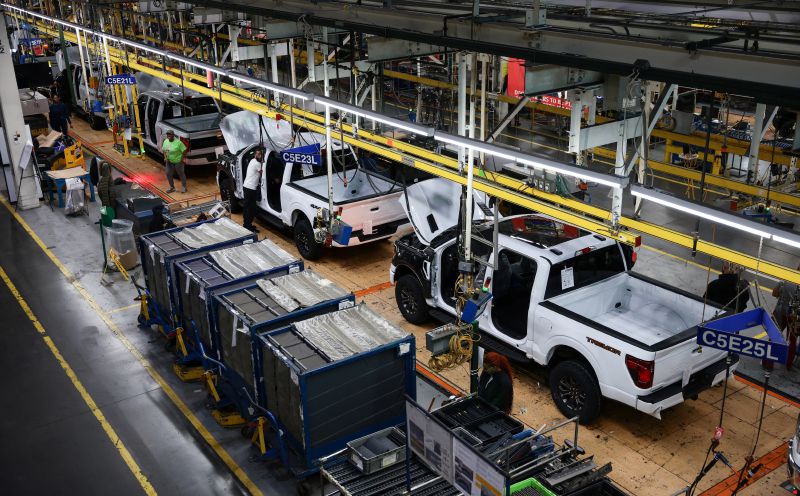
The United States Transportation Department is set to finalize significantly lower vehicle fuel economy standards through 2031, reversing the Biden administration's efforts to encourage automakers to produce more electric vehicles, officials disclosed on Saturday. President Donald Trump approved the new fuel economy standards for cars and trucks, claiming they will reduce the cost of new vehicles.
Transportation Secretary Sean Duffy stated that the new standards would lower vehicle costs for consumers, but would result in increased fuel consumption and higher carbon dioxide emissions over the coming decades, as per the department's estimates. Trump's initiative follows a surge in fuel prices since the beginning of the US-Israeli conflict with Iran in late February.
During Joe Biden's presidency, the government aimed to compel automakers to manufacture more electric vehicles to meet escalating fuel-efficiency standards. Biden increased the required fuel efficiency for cars by 8.0 percent annually for model years 2024 and 2025, 10 percent for 2026, and 2.0 percent annually from 2027 to 2031.
The Trump administration proposed adjusting the 2022 model year fuel economy standard retroactively and subsequently raising it by 0.25 percent to 0.5 percent annually through 2031. The Transportation Department proposed a fleetwide average fuel economy of 34.5 miles per gallon (14.7 kilometers per liter) by 2031, down from 50.4 miles per gallon (21.4 kilometers per liter) under Biden.
The department estimated that its proposal would cut the average new vehicle cost by US$930. However, it would increase fuel consumption by approximately 100 billion gallons through 2050, fuel spending by US$185 billion, and carbon dioxide emissions by about 5.0 percent. Trump's decision will facilitate automakers' ability to sell less efficient vehicles to consumers.
Pete Buttigieg, who headed the Transportation Department under Biden, criticized the move, stating it will hasten the transfer of the clean technology future to China and compel Americans to pay more at the pump. Biden prioritized reducing US greenhouse gas emissions and fossil fuel consumption, accelerating a transition to clean energy, and positioning the US as a global leader in clean-energy technology and manufacturing.
Written by urgent.news from New Straits Times's reporting — not their text. Machine-written — may contain errors; check the original before relying on it.