Updating etiquette for the 21st century
Recently, while taking the metro to work, I encountered something that shocked me. The train was pulling up, just as the man in front of me tapped to pay to go through the gate, and a woman pushed past me to cut me in line. I still made the train (after I briefly considered acting […]
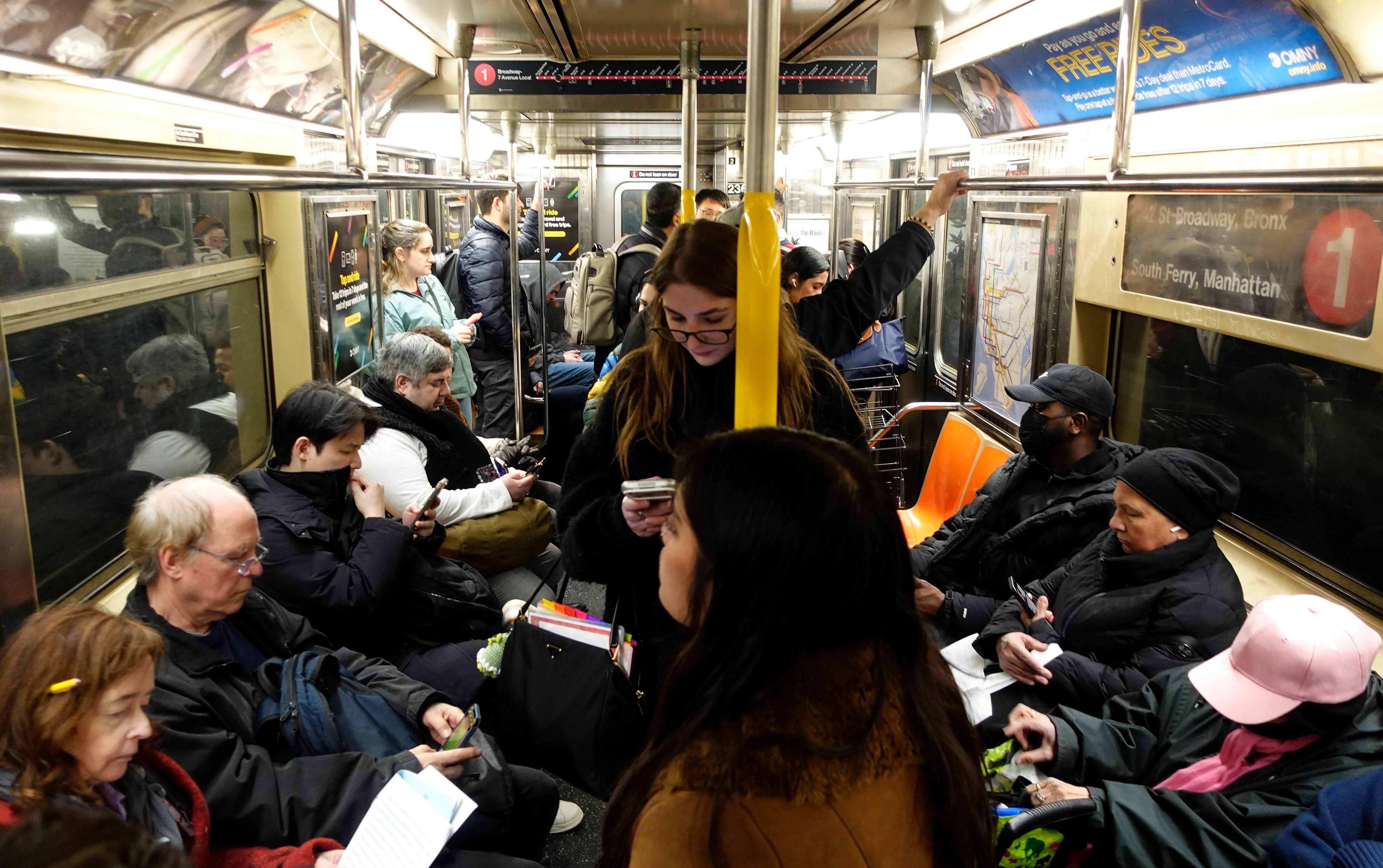
A recent metro commute served as an eye-opener for a reporter. As the train approached, a man ahead of her proceeded to pay, while a woman bypassed the gate to cut in line. The reporter, though determined to make the train, grew increasingly irritated as she saw each stop pass. This scenario is not an isolated incident; a poll reveals that nearly half of Americans have observed a rise in rudeness since the onset of the Covid pandemic.
In public settings, such as airports or phones blared in crowded areas, it seems as though societal norms have been forgotten. Dr. Kirsty Sedgman, a professor at the University of Bristol and author of the book On Being Unreasonable, asserts that manners are essential as they prompt consideration for others and prevent potentially dangerous, antisocial conduct.
Etiquette rules can be straightforward (avoid cutting in line), but others are more nuanced. Sedgman admits she is not infallible and emphasizes that she is not an expert in every situation. Emily Post, the pioneer of etiquette literature, published Etiquette in Society, in Business, in Politics and at Home in the 1920s, and her family continues to uphold the tradition.
The current edition, penned by Lizzie Post, Emily Post's great-great granddaughter, acknowledges the evolution of etiquette over time. Post maintains that the approach depends on the audience and context, suggesting a more relaxed demeanor in informal settings, but still advises mindfulness of one's surroundings. Etiquette has historically been a set of agreed-upon manners for socializing within specific circles and classes.
However, societal changes have led to shifts in these standards. Dr. Sedgman attributes this to the rapid pace of change in modern life, which can make etiquette feel outdated. A key example is phone etiquette, where using a phone without headphones in public spaces is considered inappropriate. She emphasizes the need to consider others and their comfort.
Sedgman suggests addressing this issue with a polite reminder, but acknowledges the difficulty in controlling others' behavior. When faced with such situations, it is crucial to remain aware of one's impact on others and strive for a considerate approach.
Written by urgent.news from Vox's reporting — not their text. Machine-written — may contain errors; check the original before relying on it.