U.S. and Russia remove ethical safeguards from draft U.N. agreement on AI weapons
U.S. and Russian representatives working on a global U.N. agreement to regulate the use of lethal AI-based weapons removed a number of safeguards from the draft text, The Washington Post reported on Sept. 26, citing three sources familiar with the negotiations and documents reviewed by the newspaper.
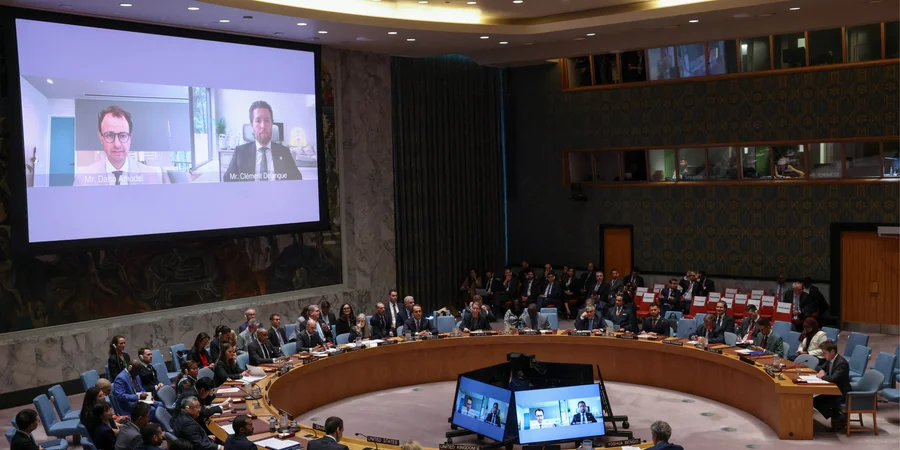
The United States and Russia removed ethical guidelines from a draft United Nations agreement on the regulation of lethal AI-based weapons, according to a report by The Washington Post on September 26. The negotiations took place in Geneva, involving hundreds of diplomats. U.S. and Russian representatives "hammered away at the document" over a period of approximately 15 hours, removing provisions that aimed to ensure control over the use of AI.
Deleted language included requirements for systems to function predictably and reliably, as well as a clause obliging users to consider ethical implications when employing AI-based weapons. Additionally, the U.S. and Russian delegations removed a provision requiring human verification of military targets identified by AI before carrying out strikes.
The changes were made during a closed-door session with the cameras turned off. Verity Coyle, deputy director for arms at Human Rights Watch, stated that the practical impact of these changes could be significant, including increased civilian harm and less accountability. The U.S. delegation was led by State Department diplomats, Pentagon representatives, and lawyers "prepared to defend U.S. military autonomy."
Both Washington and Moscow are attempting to weaken global rules governing lethal AI-based weapons. The U.N. talks, while not legally binding, could pave the way for a landmark treaty. The involvement of the United States and Russia is seen as a major roadblock to progress in these negotiations.
Written by urgent.news from New Voice of Ukraine's reporting — not their text. Machine-written — may contain errors; check the original before relying on it.